


The Ultimate Guide to Supply Chain Visibility: Enhancing Efficiency and Transparency

Supply Chain Visibility: Everything You Must Know
Consider a fashion luxury goods retailer waiting for its new collection shipment. Many weeks in advance of the launch date, word is received that there will be a delay. In fact, the missing container was stuck in transit somewhere between Asia and Europe. And because no one had real-time updates, they have to send their team scrambling around for it. It is then found sat in a customs warehouse due to incomplete documentation. All it did was delay their launch, hurt customer confidence, and dent sales-no supply chain manager's dream comes close to that scenario. This illustrates the demand for supply chain visibility.
What Is Supply Chain Visibility?
At its core, supply chain visibility (SCV) means having real-time, end-to-end insights into every aspect of your supply chain. It’s about knowing where your products are, from raw material sourcing to final delivery. Think of it as a GPS for your supply chain. With visibility at its best, it is not just a shipment one is tracking, but a view into inventory levels, supplier performance, transportation status, and bottlenecks.
For example, a beverage company with global sources of ingredients, without visibility, risks delays if one supplier runs into trouble. With SCV, they can monitor each supplier's output, recognize risks early, and switch to backup plans seamlessly.
Why Is Supply Chain Visibility Important?
Benefits of Supply Chain Visibility
- Improved Decision-Making: Access to real-time data helps businesses respond swiftly to disruptions. For example, during the COVID-19 pandemic, companies with SCV were better equipped to reroute shipments or find alternative suppliers.
- Cost Savings: Knowing where inefficiencies lie—whether it’s overstocking, delayed shipments, or poor supplier performance—allows companies to cut unnecessary expenses.
- Enhanced Customer Satisfaction: Today’s customers expect transparency. Providing accurate delivery timelines or real-time updates fosters trust and loyalty.
- Regulatory Compliance: Many industries, such as pharmaceuticals and food, require detailed tracking to meet regulatory standards. SCV ensures compliance with less hassle.
- Risk Mitigation: Visibility into potential disruptions—be it weather, geopolitical issues, or supplier bankruptcy—allows proactive risk management.
Challenges in Achieving Visibility
The advantages of this visibility are obvious, but getting there is no mean task.
- Data Silos: Many organizations struggle with fragmented data stored across disparate systems.
- Complex Supply Chains: Globalization implies dealing with multiple suppliers, carriers, and geographies, making tracing a little more complicated.
- Technological Gaps: Not all businesses have access to advanced tools for real-time tracking.
- High Costs: Real visibility solutions often require major investment in technology and staff training.
- Resistance to Change: Workers and partners accustomed to traditional methods may be unwilling to adopt new systems.
Emerging Trends in Supply Chain Visibility
- Artificial Intelligence (AI): AI is transforming supply chain visibilty by enabling predictive analytics and insights. Imagine being alerted to a potential delay before it happens, allowing you to reallocate resources. For example, AI-powered tools can predict ETAs, port congestion and suggest alternative shipping routes.
- Internet of Things (IoT): IoT devices like GPS trackers and smart sensors provide real-time data on shipments. A cold chain logistics company can use IoT to monitor the temperature of perishable goods, ensuring they remain within safe ranges.
- Blockchain: Blockchain provides full transparency because it creates immutable records of transactions. This, for food and pharmaceutical companies, would mean traceability: customers can scan a QR code to see where their product came from.
- Cloud Computing: Cloud-based platforms unlock data from silos at all levels and empower collaboration in decision-making.
- Digital Twins: Digital twins are virtual models of supply chains that enables companies to simulate scenarios, test various strategies, and optimize operations without directly disrupting real-world processes.
Practical Strategies for Improving Supply Chain Visibility
Ready to start improving supply chain visibility? Here’s how in steps:
- Audit Your Existing Supply Chain: Pain points should be the first identification. Happening to be frequent delays? Is inventory management inefficient? Knowing your weak points is a way to improve.
- Invest in Technology: Consider tools that best fit your needs. For a small business, maybe basic tracking software will be enough. An enterprise will require either an AI-driven platform or even IoT integration.
- Centralize Data: Follow a centralized system, like on a cloud-based platform, integrating data from your suppliers, warehouses, and logistics providers.
- Collaborate with Partners: It’s not just about your internal processes. Work closely with suppliers and carriers for the required data sharing and transparency.
- Train Your Team: Technology is only as good as the one using it. Give proper training so that your staff feels comfortable and adapts to new tools.
- Monitor and Adjust: SCV is a continuing process. Have a regular look into the measured performance metric and change strategies wherever required. Let’s say a particular route has been causing a holdup time after time; try different shipment methods.
The Road Ahead
Supply Chain Visibility is not a buzzword, but a business mandate. As the world moves towards getting more interconnected day by day and customers' expectations are on an ever-rise, only companies focused on visibility will lead. The opportunities endless-be it leveraging AI and IoT to fostering better collaboration.
As you look back at your supply chain, ask yourself: Are you ready to embrace the tools and strategies that are going to define the future of logistics? What can you do today to turn challenges into opportunities? With the right approach, supply chain visibility can change from a daunting challenge into a competitive advantage. It's time to shine a light in the dark corners of your supply chain and pave the way forward to a brighter, more efficient future.
About SeaVantage
SeaVantage provides supply chain visibility solutions tailored to meet the needs of stakeholders in the maritime industry. SeaVantage empowers clients with real-time and predictive data insights, providing a better approach to proactive planning and effective management of ocean freight. SeaVantage's visibility platform is built upon a patented maritime traffic network algorithm, delivering precise, data-driven insights to shippers, freight forwarders, and supply chain professionals. This empowers them to proactively manage and address unexpected disruptions within their ocean supply chain. SeaVantage's visibility platform seamlessly integrates with all major shipping lines worldwide, allowing customers to access data through either the Visibility Web Interface or a robust API, facilitating integration with most legacy systems.
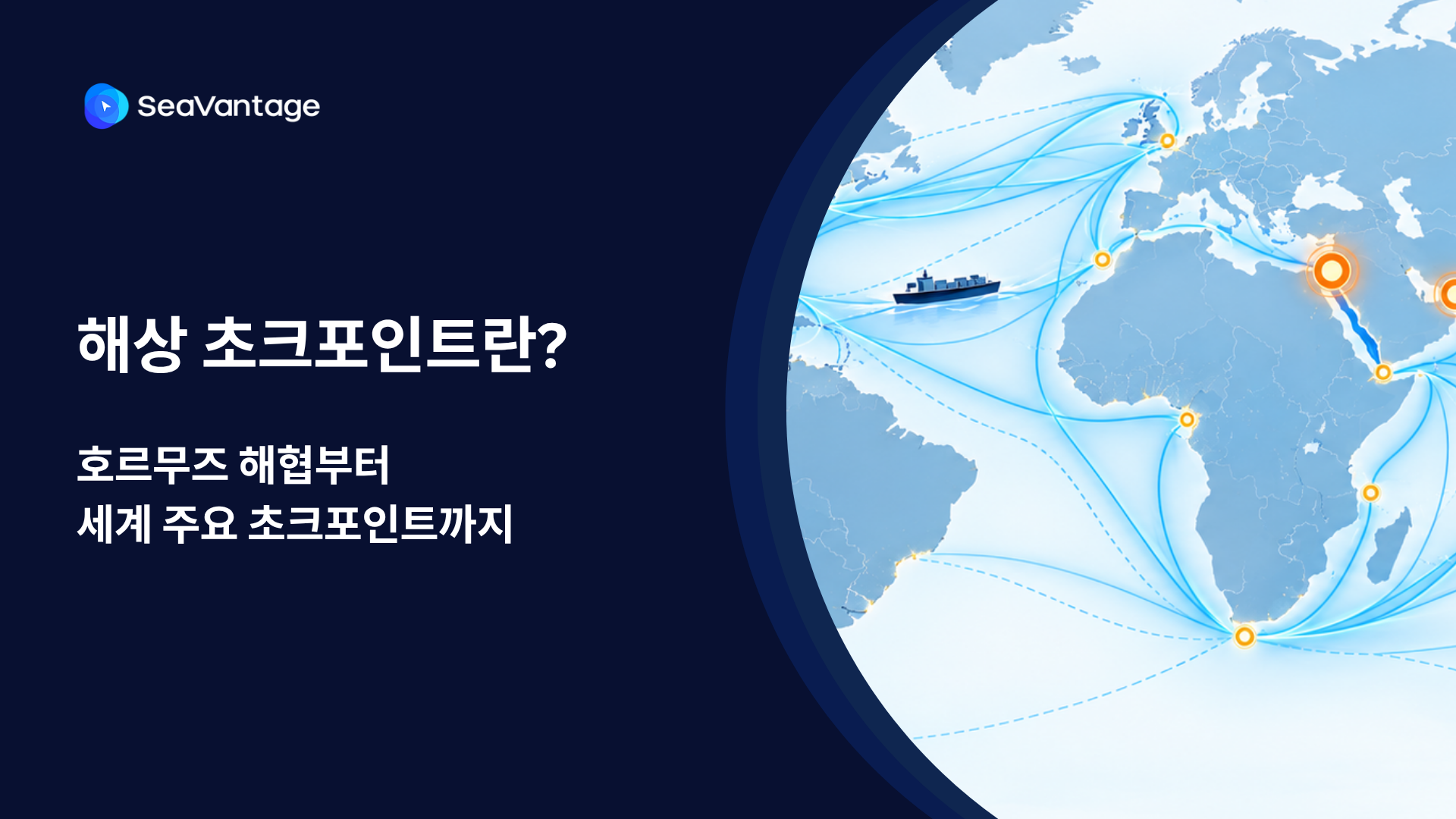

팬스타 아크로호가 지난 8월 22일 북극항로 시범운항을 시작했습니다. 국내 최초 컨테이너선 북극항로 운항 현황과 상업성 검증 항목, 화주·포워더가 주목할 사항을 정리합니다.
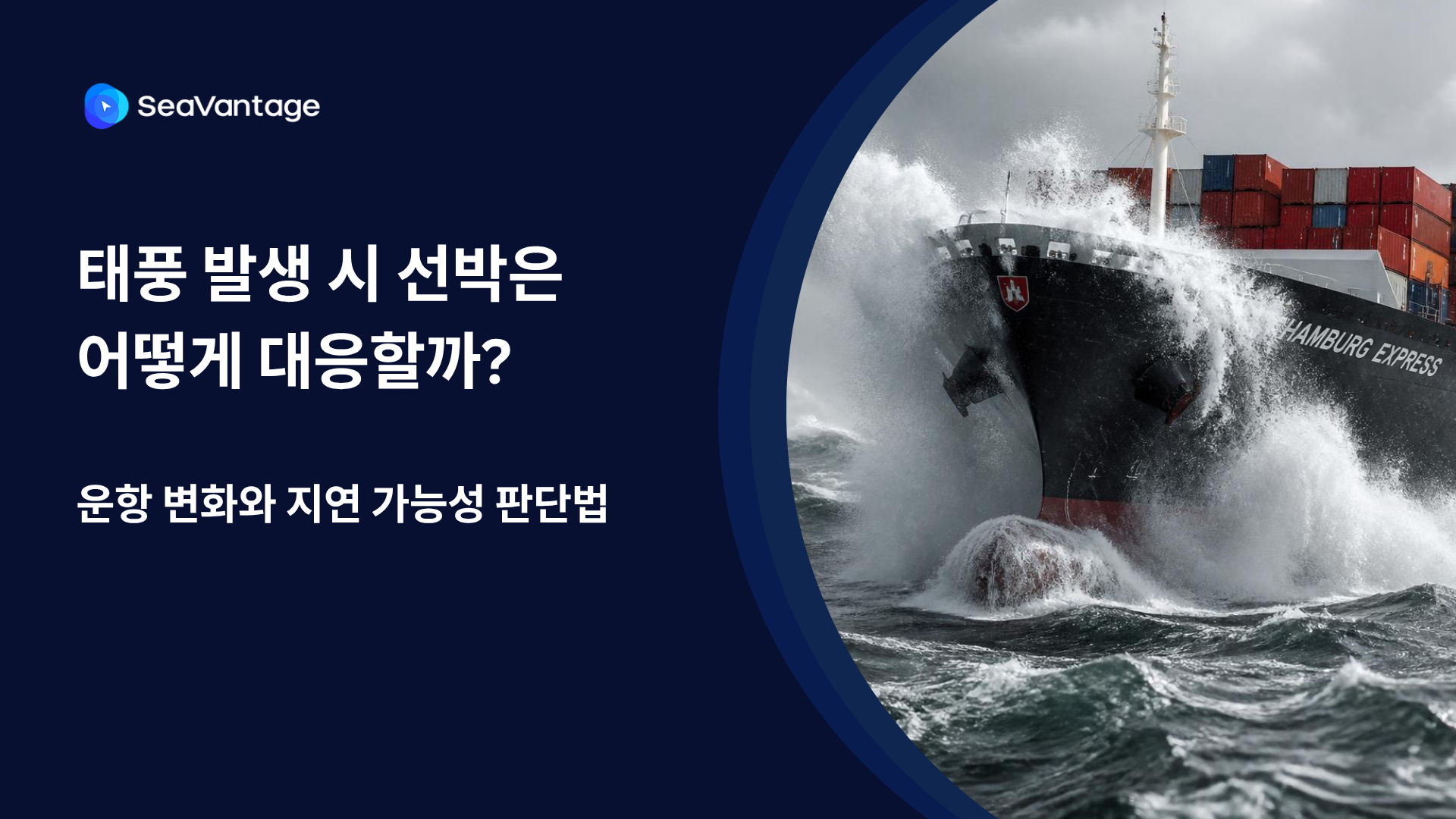
태풍 발생 시 선박은 우회·감속·대기 등 서로 다르게 대응합니다. AIS 항적과 ETA·PTA·PTB, 항만 혼잡 데이터를 활용해 해상운송 지연 가능성을 판단하는 방법을 알아보세요.
Need a SeaRates alternative? See how SeaVantage Cargo Insight supports container tracking, predicted arrivals, shipment milestones, and API access.
TPEB rates 2026, Indian Subcontinent ocean freight capacity, Strait of Hormuz shipping disruption, schedule reliability ocean carriers
What's driving ocean freight peak season 2026 — rates, surcharges, booking windows, and how to avoid missed inventory deadlines.

.png)


