


4 Ocean Freight Trends That Will Define 2026
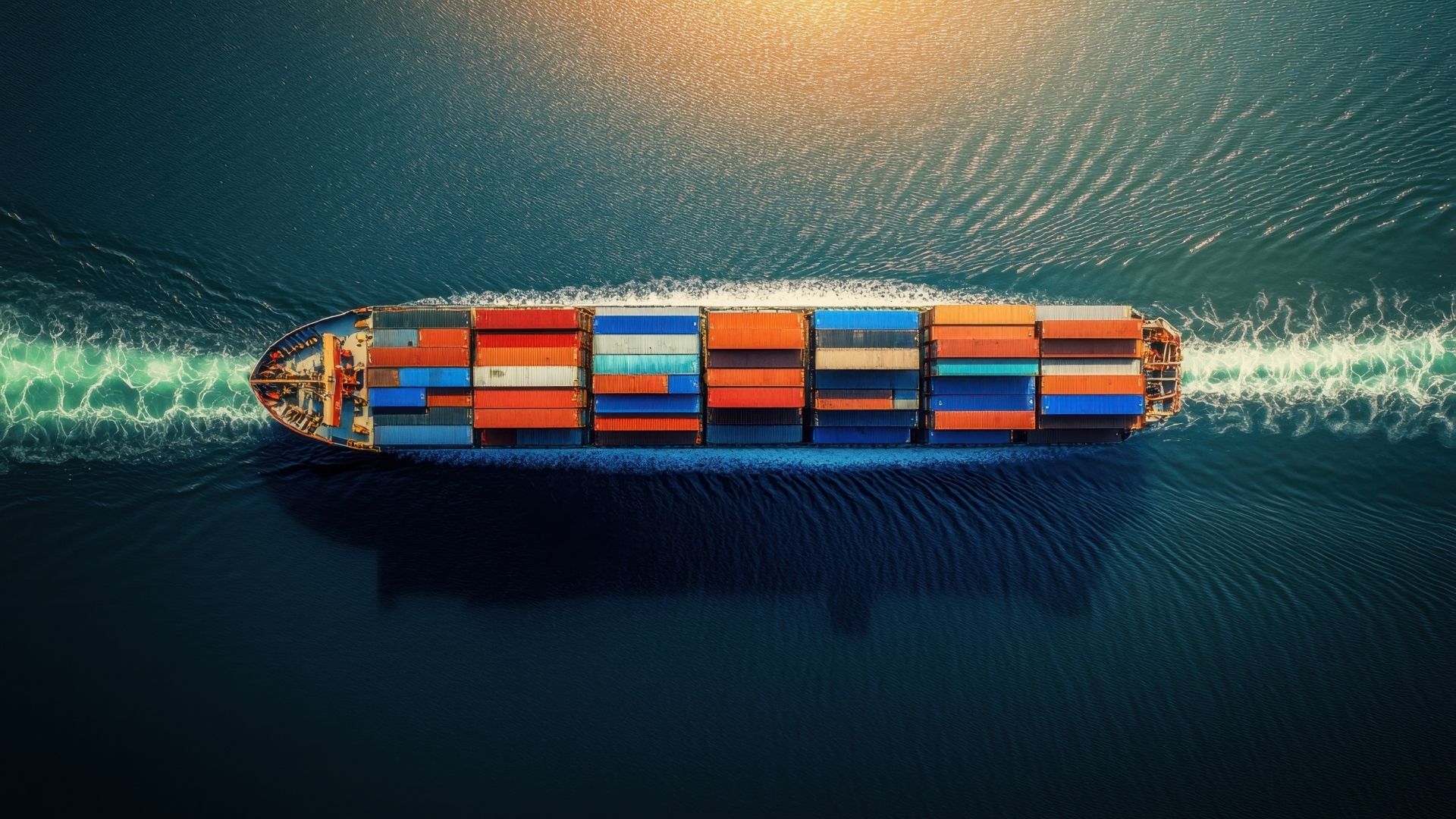
Global supply chains continue to operate in a state of constant unpredictability, presenting persistent challenges for businesses worldwide. To maintain a competitive edge, understanding the major forces shaping the logistics landscape is more critical than ever. This guide provides a clear and direct look at the four most significant trends set to define the ocean freight market in 2026.
1. The Red Sea Reopening: A Game-Changer with Hidden Complexities
The potential reopening of the Red Sea shipping route stands out as the most significant event on the horizon for 2026. However, major carriers like Maersk and Hapag-Lloyd are approaching the situation with caution, and a definitive timeline remains uncertain. The market is defined by a lack of consensus, a sentiment captured by industry analysts at ING who describe the return as a "wild card" for the year ahead.
Next week or a year from now - analysts disagree on timeframe for Red Sea return.
A return to the Red Sea route is a double-edged sword. While it promises shorter transit times, it also threatens to trigger a cascade of downstream disruptions. A sudden return to the Suez route would cause a wave of vessels to arrive at European ports off-schedule.
This bunching of arrivals is the direct cause of projected port congestion, which in turn overwhelms terminal capacity. This leads to slower crane operations and a backlog of containers that fills warehouses and creates a significant deficit of empty containers in key Asian export hubs. To manage these risks, shippers are increasingly turning to SeaVantage Ship Insight to monitor vessel locations and predict potential bunching before it impacts their cargo.
The bottom line for shippers: what looks like a welcome return to normalcy could quickly create new, severe bottlenecks just as old ones are resolved.
2. A Tidal Wave of Overcapacity Is on the Horizon
Beyond the immediate volatility of shipping lanes, a massive structural shift is underway in the form of looming overcapacity. A significant influx of new container ships is scheduled to hit the water over the next few years, fundamentally altering the supply-demand balance.
According to recent data, global fleet capacity is projected to increase by +5% in 2026, followed by a substantial +9.5% in 2027. This flood of new capacity will outstrip demand growth, forcing carriers to compete aggressively on price to fill their ships.
For shippers, this signals a potential shift to a buyer's market, but also risks increased service instability as carriers may resort to blank sailings to manage capacity and protect rates.
What this means for shippers: While lower base rates may be on the horizon, budget and service reliability will become paramount strategic concerns. Utilizing tools like SeaVantage Port Insight can help you monitor congestion and terminal performance, ensuring that carrier instability doesn't catch your supply chain off guard.
3. Global Trade Maps Are Being Redrawn
Global trade flows are actively being reshaped. While overall global trade has shown resilience, a notable divergence is occurring with North American imports, which have seen a contraction. This gap began to widen around April and May of 2025, largely as a result of a "Tariff Effect."
The primary implication is that Chinese exports are being redirected to alternative markets, putting pressure on infrastructure in emerging markets and creating new customs complexities. This redirection means shippers must now navigate less-established trade lanes, potentially facing undeveloped port infrastructure and more volatile sailing schedules as carriers test new routes.
The takeaway for shippers: Your network strategy must evolve beyond traditional East-West lanes to account for a more fragmented and dynamic global trade environment.
4. Strategic Agility Is the New Mandate for Shippers
In a market defined by short-term volatility like the Red Sea situation and long-term structural changes like overcapacity and shifting trade flows, success will depend on agility. The most resilient shippers will be those who plan for the unexpected and build flexibility into their core logistics strategy.
Navigating this environment requires a multi-faceted approach supported by the SeaVantage Ocean Visibility Platform:
- Establish clear contingency plans for your most critical flows, mapping out alternative routes, gateways, and sourcing options before the Suez route reopens.
- Diversify your carrier and Alliance strategy to mitigate the impact of blank sailings and other operational disruptions.
- Leverage supply chain technology and visibility tools to increase efficiency and make faster, more informed decisions.
- Adopt a flexible rate strategy, using a mix of fixed, floating, and index-based contracts to manage costs effectively.
- Utilize financial hedging tools to separate price risk from physical logistics, adding crucial stability to your budget.
- Partner with an expert customs broker to navigate the rapidly changing tax and tariff landscape with confidence.
Conclusion: Beyond the Horizon
The ocean freight market of 2026 will be a complex interplay of immediate disruptions and profound structural transformations. Success will no longer be about reacting to change, but about building supply chains with the foresight and flexibility to thrive within it.
As we look toward 2026, the critical question for every business is: are our supply chain strategies built for the market of yesterday, or are they agile enough for the reality of tomorrow?
Frequently Asked Questions (FAQ)
1. Will ocean freight rates drop in 2026?
With global fleet capacity projected to increase by 5% in 2026, the market is entering a period of overcapacity. This supply surplus typically puts downward pressure on freight rates, potentially creating a "buyer's market." However, carriers may use blank sailings to artificially reduce supply, so rates may remain volatile.
2. How will the Red Sea reopening impact 2026 shipping?
If the Red Sea route reopens, transit times will decrease, but the sudden shift could cause "vessel bunching" at European ports. This may lead to severe port congestion and equipment shortages. Shippers should monitor real-time vessel tracking to mitigate these delays.
3. What is the "Tariff Effect" mentioned in 2026 trends?
The "Tariff Effect" refers to the shifting of trade lanes due to increased tariffs, particularly on North American imports. This has caused a redirection of Chinese exports to alternative markets, forcing shippers to use less-established routes that may lack robust infrastructure.
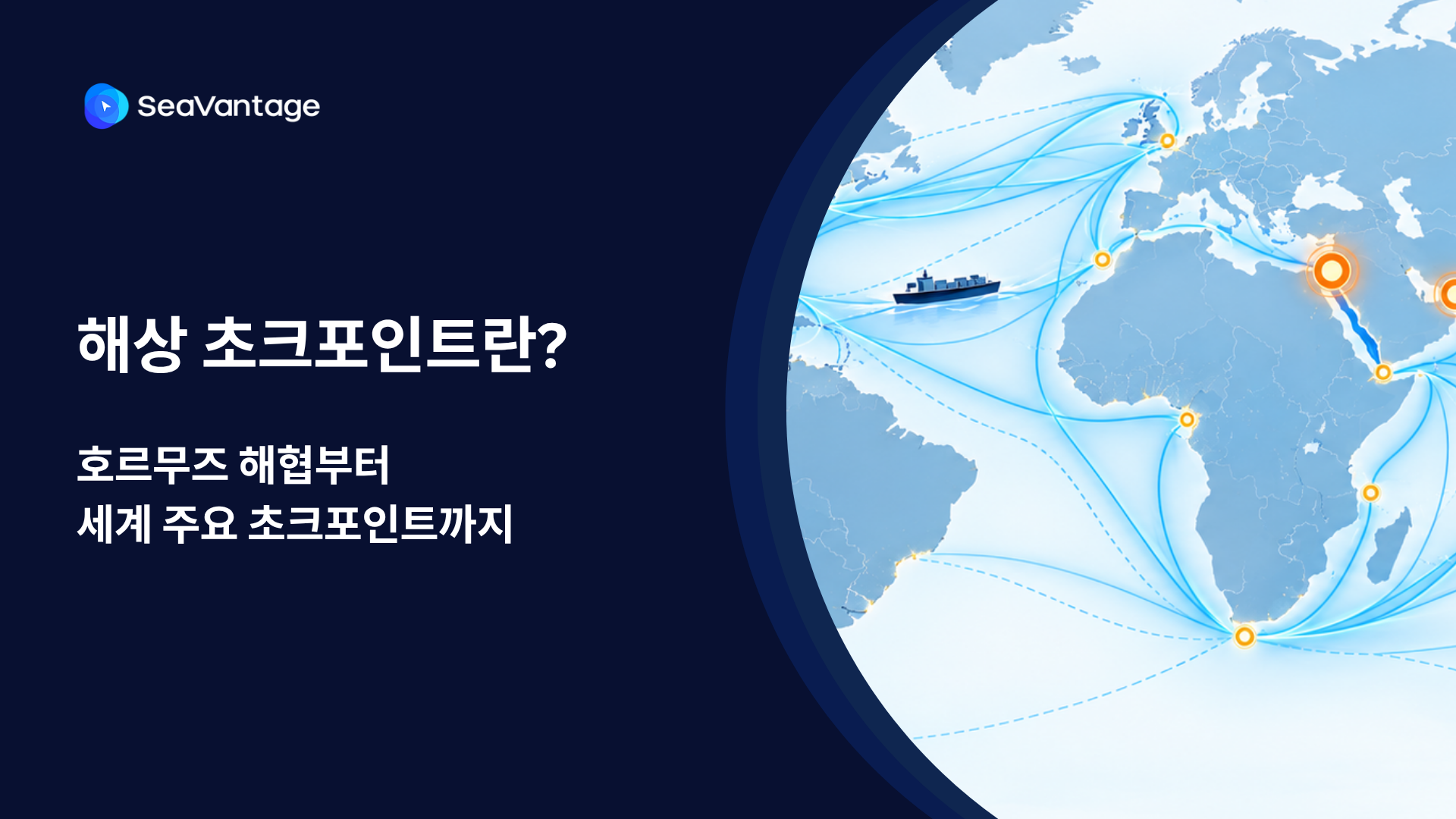

팬스타 아크로호가 지난 8월 22일 북극항로 시범운항을 시작했습니다. 국내 최초 컨테이너선 북극항로 운항 현황과 상업성 검증 항목, 화주·포워더가 주목할 사항을 정리합니다.
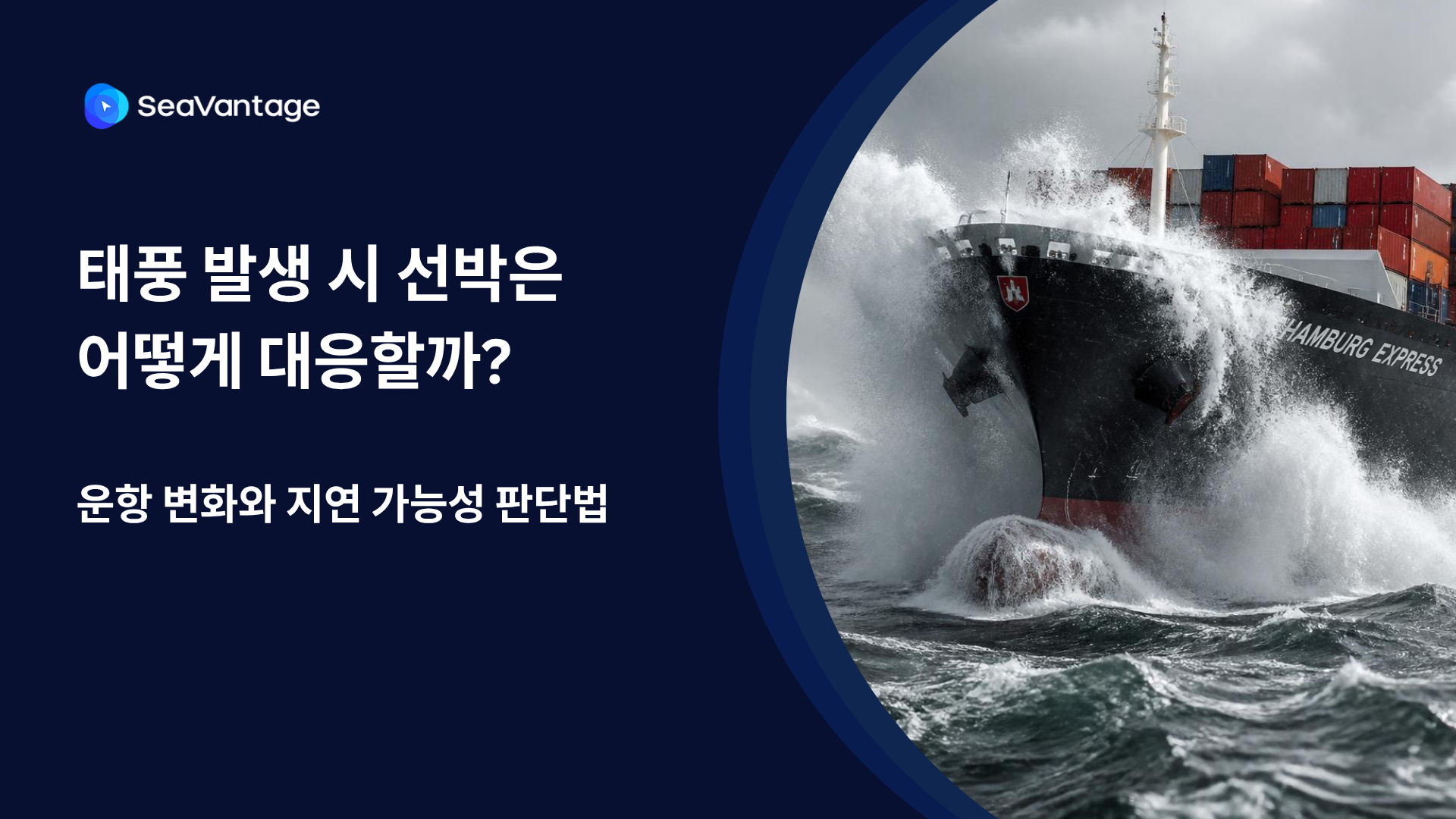
태풍 발생 시 선박은 우회·감속·대기 등 서로 다르게 대응합니다. AIS 항적과 ETA·PTA·PTB, 항만 혼잡 데이터를 활용해 해상운송 지연 가능성을 판단하는 방법을 알아보세요.
Need a SeaRates alternative? See how SeaVantage Cargo Insight supports container tracking, predicted arrivals, shipment milestones, and API access.
TPEB rates 2026, Indian Subcontinent ocean freight capacity, Strait of Hormuz shipping disruption, schedule reliability ocean carriers
What's driving ocean freight peak season 2026 — rates, surcharges, booking windows, and how to avoid missed inventory deadlines.

.png)


