


The Power of Supply Chain Visibility in an Era of Disruption
In today's interconnected global economy, supply chain disruptions have become the new normal. Recent events have underscored the critical importance of supply chain visibility, pushing businesses to reevaluate their strategies and invest in more robust, data-driven approaches.
Recent Disruptions: A Wake-Up Call
The past few months have been a stress test for global supply chains. Let's look at some recent events:
- ILA Tentative Agreement: The International Longshoremen's Association (ILA) reached a tentative agreement to resume labor on October 4th, extending to January 2025. While this provides temporary relief, the extended negotiation period signals ongoing uncertainty.
- Red Sea Blockade: Ongoing conflicts have led to shipping disruptions in the Red Sea. According to a recent report by S&P Global Market Intelligence, "Nearly 20% of container vessels have been diverted away from the Red Sea route due to attacks, leading to longer transit times and higher costs." [1]
- Canadian Railroad Strike: Although the strike ended on August 26th, its impacts continue to reverberate. The strike affected approximately 7,400 workers and cost the Canadian economy an estimated $425 million, according to the Canadian Manufacturers & Exporters. [2]
These events highlight a crucial fact: in today's world, supply chain visibility isn't just beneficial—it's essential.
The Trifecta of Supply Chain Resilience: Data, Insights, and Action
1. Data: The Foundation of Visibility
In the words of Gartner analyst Susan Boylan, "Without data, you're just another person with an opinion." The foundation of supply chain visibility is comprehensive, real-time data. This includes not just tracking information, but also broader market indicators, geopolitical events, and industry trends.
Recent studies underscore the importance of data:
- A 2023 survey by Deloitte found that 79% of Chief Procurement Officers believe lack of data visibility across the supply chain is a significant risk. [3]
- According to IBM, companies with high supply chain visibility can reduce their inventory levels by up to 30%. [4]
2. Insights: Turning Data into Foresight
Data alone isn't enough. The key is transforming that data into actionable insights. This means identifying patterns, anticipating potential disruptions, and understanding how various factors might impact your supply chain.
As Anne Robinson, Chief Strategy Officer at Kinaxis, puts it: "The goal isn't just to collect data, but to create a digital twin of your supply chain that allows you to simulate scenarios and make informed decisions." [5]
3. Action: Proactive Risk Mitigation
Armed with insights, businesses can take proactive steps to mitigate risks and capitalize on opportunities. This might involve diversifying suppliers, adjusting inventory levels, or exploring alternative shipping routes.
A McKinsey study found that companies that regularly conduct supply chain stress tests and use advanced analytics for supply chain planning are 2.5 times more likely to be financial outperformers in their industries. [6]
Putting It Into Practice: Learning from Recent Events
Let's consider how enhanced supply chain visibility could have helped in recent scenarios:
- ILA Agreement: Companies with robust visibility tools could model various scenarios based on different negotiation outcomes, allowing them to prepare contingency plans well in advance.
- Red Sea Blockade: Businesses with real-time visibility into global shipping routes could quickly identify alternative paths and estimate the cost implications, enabling faster decision-making.
- Canadian Railroad Strike: Organizations with end-to-end supply chain visibility could identify which of their shipments were at risk and proactively reroute or find alternative transportation methods.
The Path Forward: Building Resilience Through Visibility
As we navigate these complex times, businesses should ask themselves:
- How quickly can you access and analyze data from across your supply chain?
- Are you able to simulate various scenarios and their potential impacts?
- Can you quickly implement changes when disruptions occur?
Enhancing supply chain visibility isn't just about avoiding disruptions—it's about building a more resilient, agile, and competitive business. As Yossi Sheffi, Director of the MIT Center for Transportation and Logistics, notes: "The most successful companies don't just respond to disruptions—they anticipate them and turn them into competitive advantages." [7]
In conclusion, as global supply chains continue to face unprecedented challenges, the ability to see clearly through the fog of uncertainty will be a key differentiator. By focusing on the trifecta of data, insights, and action, businesses can not only weather the storms of disruption but emerge stronger and more competitive.
References
[1] S&P Global: Red Sea Crisis - Impact on Global Trade
[2] Canadian Manufacturers & Exporters: The Impact of the Canadian Railroad Strike
[3] Deloitte: 2023 Global Chief Procurement Officer Survey
[4] IBM: The Power of Supply Chain Visibility
[5] Kinaxis: The Importance of Supply Chain Digital Twins
[6] McKinsey & Company: Supply Chain 4.0 – the next-generation digital supply chain
[7] MIT Center for Transportation and Logistics: The Power of Resilience
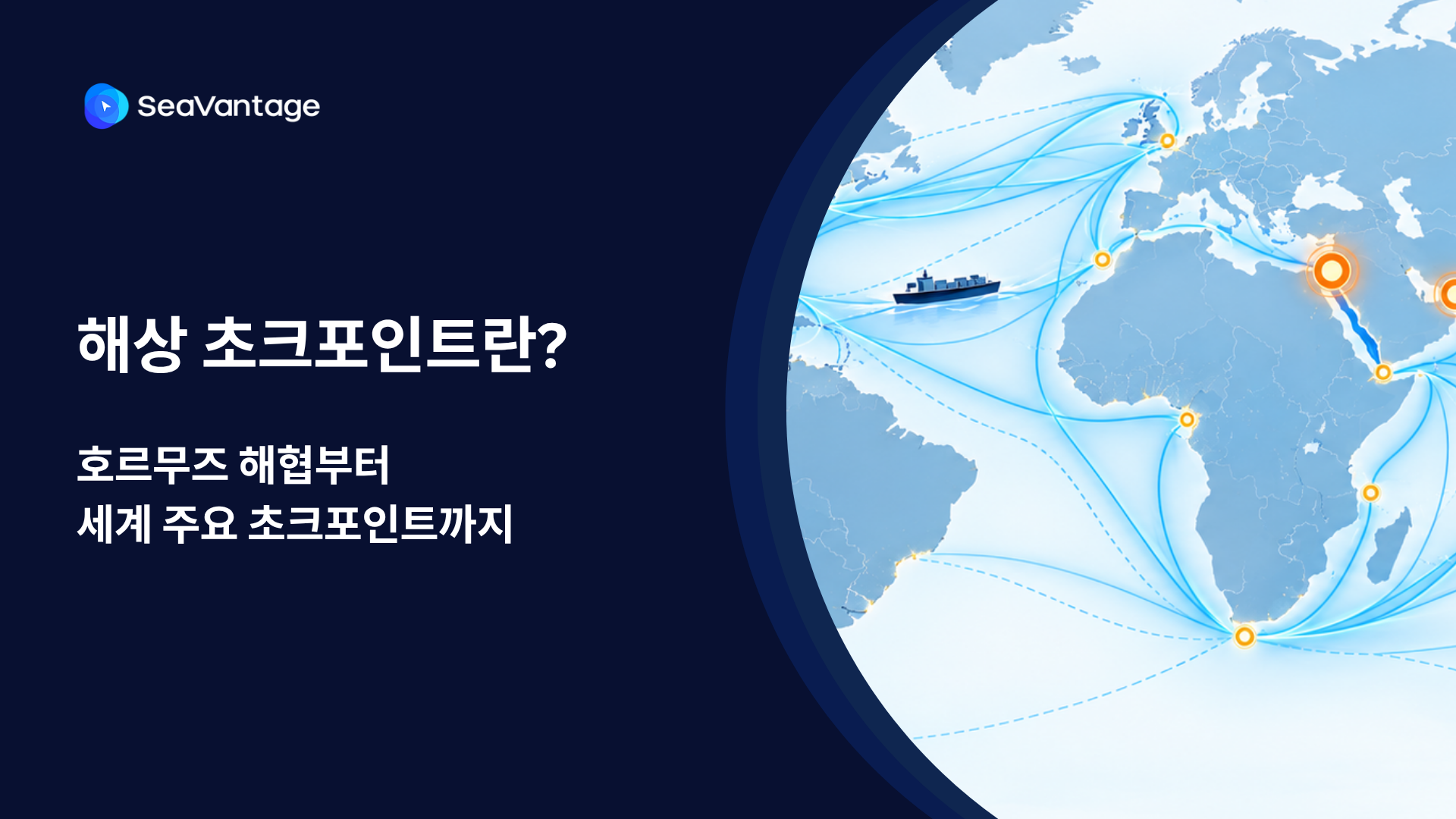

팬스타 아크로호가 지난 8월 22일 북극항로 시범운항을 시작했습니다. 국내 최초 컨테이너선 북극항로 운항 현황과 상업성 검증 항목, 화주·포워더가 주목할 사항을 정리합니다.
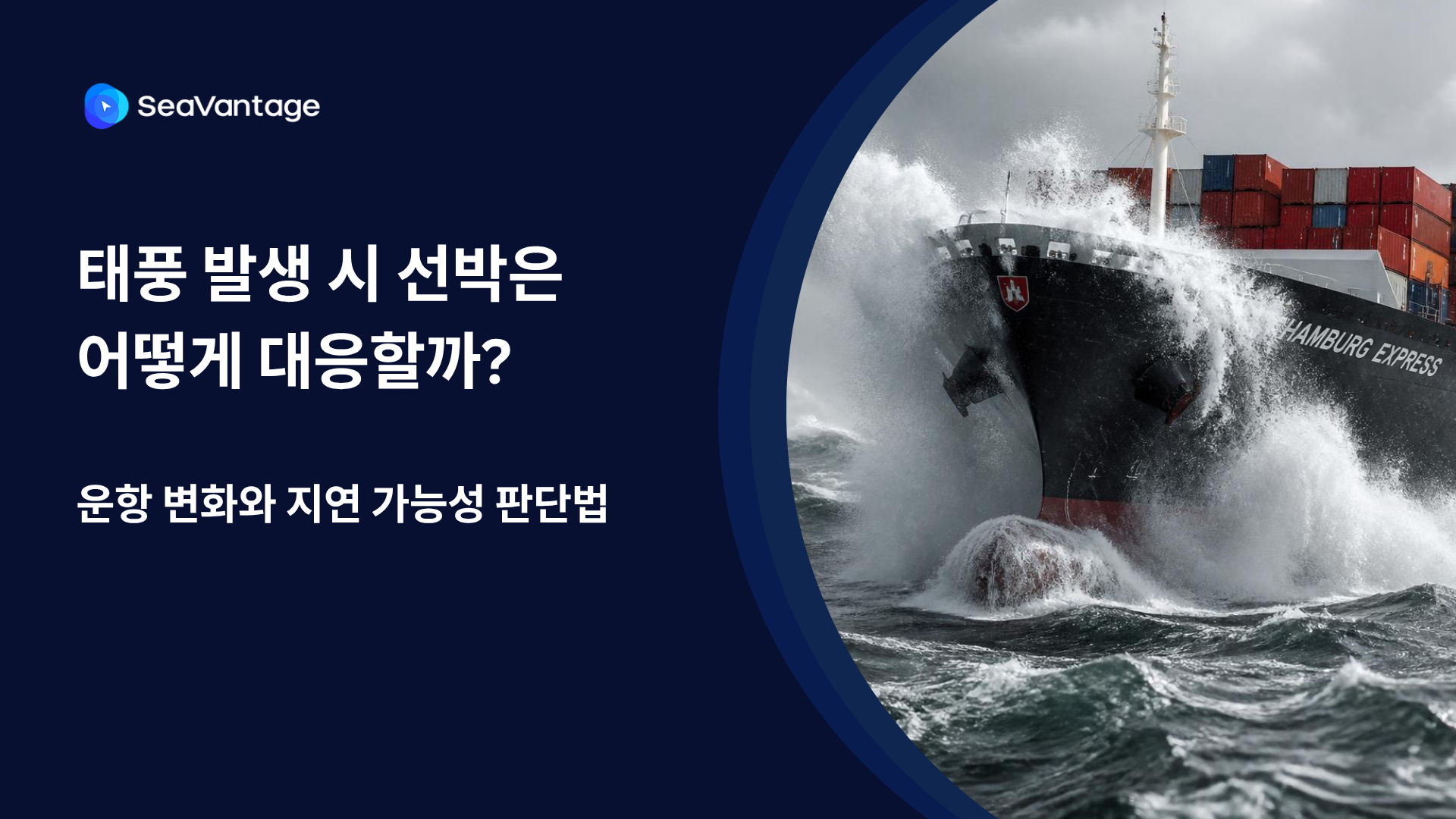
태풍 발생 시 선박은 우회·감속·대기 등 서로 다르게 대응합니다. AIS 항적과 ETA·PTA·PTB, 항만 혼잡 데이터를 활용해 해상운송 지연 가능성을 판단하는 방법을 알아보세요.
Need a SeaRates alternative? See how SeaVantage Cargo Insight supports container tracking, predicted arrivals, shipment milestones, and API access.
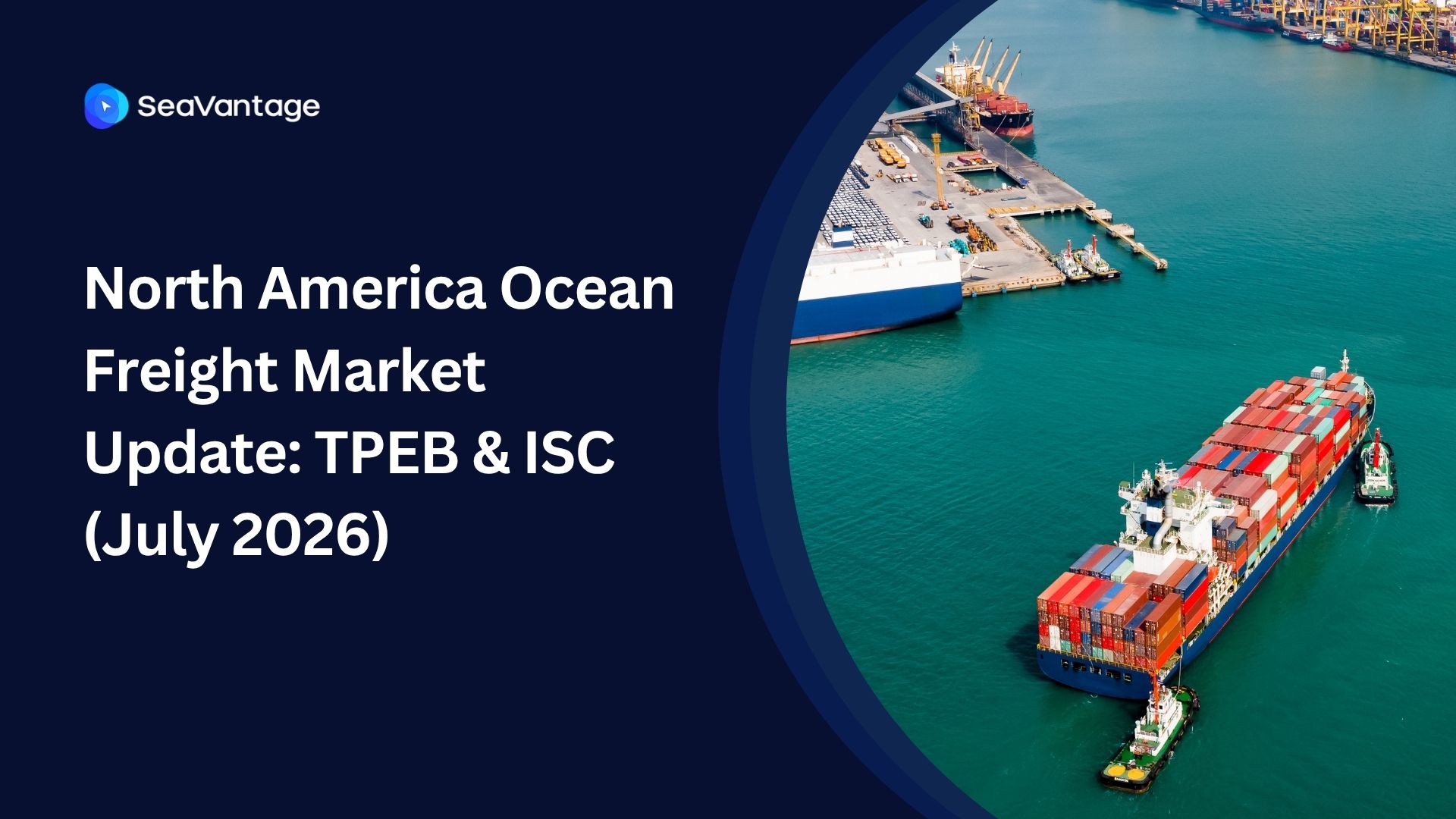
TPEB rates 2026, Indian Subcontinent ocean freight capacity, Strait of Hormuz shipping disruption, schedule reliability ocean carriers
What's driving ocean freight peak season 2026 — rates, surcharges, booking windows, and how to avoid missed inventory deadlines.

.png)


