


5 Ways Real-Time Transportation Visibility Transforms Logistics
.jpg)
We've all experienced the uncertainty of waiting for a delivery. The simple question, "Where is my package?" can cause significant frustration. Now, imagine that frustration scaled up to a global level, where entire businesses depend on the timely arrival of shipments moving through complex international networks.
This is the daily reality for today's logistics service providers, from 2PLs focused on delivery execution all the way through to emerging, network-focused 5PLs.
The logistics industry is navigating an environment of unprecedented volatility. Supply chain disruptions are growing, accelerated by political instability, the bullwhip effect on fuel prices, and persistent driver capacity shortages. Providers are caught between soaring transportation costs, chronic personnel shortages, and the relentless demand to move goods faster and more cheaply. In this landscape, limited visibility into shipment status is a critical liability, eroding both operational agility and customer trust.
In response to this complexity, Real-Time Transportation Visibility Platforms (RTTVPs) have emerged as a foundational technology. Solutions like SeaVantage provide the clarity needed to manage modern supply chains effectively by aggregating and sharing real-time data. This article explores the five most impactful ways these platforms are changing the game for logistics service providers, moving them beyond a simple dot on a map to a new era of intelligent, collaborative, and competitive operations.
1. It Delivers a 'Consumer-Grade' Experience to Business Customers
The Shift in Expectations
The expectation for real-time tracking and transparency, once a hallmark of the business-to-consumer (B2C) world, is now the standard in business-to-business (B2B) transactions. B2B customers increasingly demand the same B2C-style shipment tracking features and proactive notifications they experience in their personal lives.
The Impact on Retention
Meeting these expectations is crucial for customer retention. By providing a shared view of delivery information and proactive updates, logistics providers can significantly enhance customer satisfaction, reduce the volume of support inquiries, and build lasting loyalty. This automation replaces the costly, error-prone manual task of reporting milestones in multiple carrier portals, freeing up resources and improving data accuracy. This shift in mindset has tangible consequences for providers who fail to adapt.
"If they have a good experience, they’re likely to repeat purchase. However, if they have a bad experience, they’re likely to search for and evaluate alternative suppliers. The same mindset is shared within the B2B space these days."
2. It Makes Operations Smarter, Not Just Faster
Operational Optimization
RTTVPs offer much more than simple location tracking. By combining real-time data with the advanced computational power of machine learning, these platforms generate highly accurate and reliable Estimated Times of Arrival (ETAs). This predictive insight enables a more controlled supply chain, better carrier performance, and smarter, more streamlined logistics operations.
Specific benefits include:
- Increased efficiency in warehouses: Knowing precisely when trucks will arrive allows for better preparation and faster turnaround.
- Improved resource utilization through dynamic dock bookings: Docks can be scheduled with greater precision, minimizing costly dwell time.
- Reduced material handling costs: Loads can be prepared just-in-time, optimizing labor and space.
- Decreased safety stock levels needed: Reliable ETAs reduce uncertainty, allowing for lower buffer inventory.
A Leaner Strategy
This capability marks a significant shift in operational strategy. The goal is no longer just about moving goods faster; it's about using predictive data to make the entire logistics process leaner and more efficient. By enabling a more controlled supply chain, accurate visibility reduces the need for costly safety stock, freeing up working capital and transforming the warehouse dock into a high-efficiency hub.
3. It Fosters True Collaboration Across the Supply Chain
The Single View Concept
RTTVPs create a single, real-time view of shipments that is accessible to all relevant stakeholders. This includes internal teams, the end customer, and external partners like subcontractors. This unified view is especially critical for providers managing complex, intercontinental door-to-door services that rely on a network of different carriers across multiple countries.
The Value of Breaking Silos
This single source of truth is the antidote to the long and slow communication chains that plague traditional logistics. It breaks down information silos, replacing the endless chain of phone calls, emails, and manual portal updates with a truly collaborative environment. Sharing real-time shipment data creates value for all partners in the ecosystem, turning a series of disconnected handoffs into a synchronized and transparent process.
4. It Turns Reactive Firefighting into Proactive Planning
Reactive vs. Proactive Management
Perhaps the most fundamental change enabled by real-time visibility is the shift in management style. It moves teams away from reacting to problems as they occur toward anticipating and mitigating them. This transition moves the entire operational focus from reacting to missed appointments and fielding "where is my order?" calls to strategically managing the flow of goods.
"...shifting management away from ‘reactive’ and towards ‘predictive’ practices where networks are managed proactively."
Benefits of Proactivity
This proactive approach delivers powerful advantages. Teams can anticipate shipment delays, take corrective measures before they impact the customer, and increase overall network stability. Crucially, this transparency also makes cross-functional cost efficiencies possible. When logistics data is reliable and predictive, other departments—like finance, procurement, and sales—can make better, more timely decisions, such as accelerating the validation of pre-invoicing, creating enterprise-wide value.
5. It Creates a Powerful Competitive Edge
Visibility as a Differentiator
In a highly competitive market, the ability to offer superior service is a key differentiator. Equipping a logistics operation with RTTVP capabilities allows providers to stand out from the competition. By having the digital tools to notify customers about potential risks and delays in advance, they transform a potential negative experience into an opportunity to demonstrate reliability and transparency.
Connecting to Satisfaction
This level of transparency helps manage customer expectations effectively. By reducing unwanted surprises and providing clear communication, providers can significantly reduce late delivery penalties and increase overall customer satisfaction. This, in turn, leads to a higher Net Promoter Score (NPS), greater loyalty, and ultimately, profitable growth.
Conclusion
Real-time transportation visibility is clearly more than just a tracking tool; it is a strategic imperative for the modern logistics provider. By transforming raw data into predictive insights, these platforms are enabling a fundamental shift towards a more intelligent, efficient, and customer-centric supply chain. It is the technological foundation required for providers to evolve their business models, offer more advanced integrated services like a 4PL or 5PL, and remain relevant in a digitizing industry.
As transparency becomes the new standard in logistics, what will be the next innovation that separates the leaders from the pack?
Frequently Asked Questions (FAQ)
What is an RTTVP (Real-Time Transportation Visibility Platform)?
An RTTVP is a software platform that provides real-time tracking and status updates for shipments across various modes of transportation. It aggregates data from carriers, GPS devices, and other sources to give a unified view of the supply chain.
How does real-time visibility reduce logistics costs?
By providing accurate ETAs and predictive insights, companies can optimize dock scheduling, reduce dwell times, lower safety stock levels, and minimize penalties associated with late deliveries, all of which contribute to significant cost savings.
Why is B2B logistics adopting "consumer-grade" tracking?
B2B buyers are accustomed to the high visibility and tracking standards of B2C e-commerce (like Amazon). They now expect the same level of transparency, proactive notifications, and ease of use for their business shipments to better manage their own operations.
Can SeaVantage integrate with existing 4PL or 5PL systems?
Yes, modern visibility solutions are designed to be the foundational data layer that integrates with existing Transportation Management Systems (TMS) and ERPs, enabling 4PLs and 5PLs to offer advanced, network-focused services.
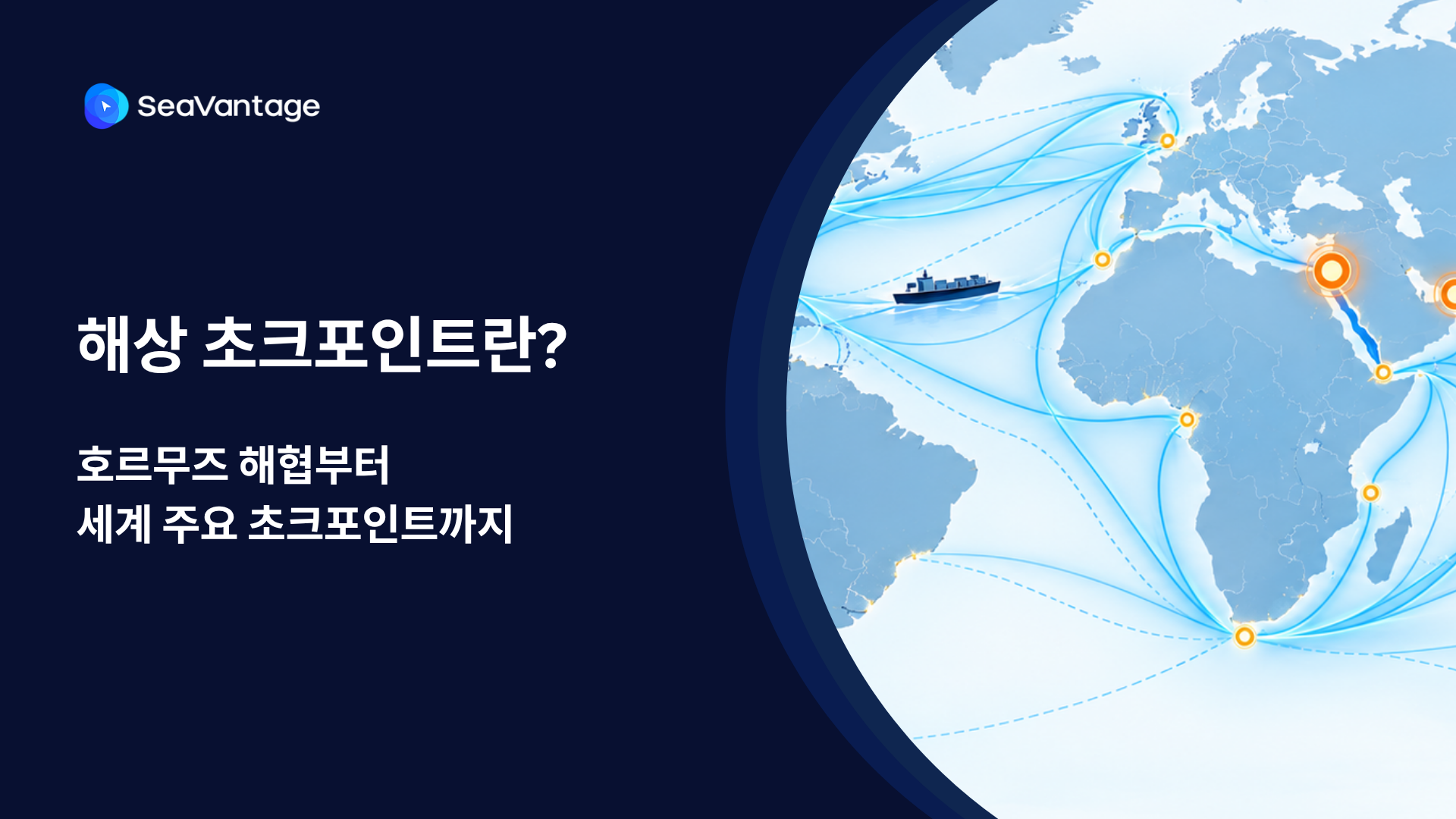

팬스타 아크로호가 지난 8월 22일 북극항로 시범운항을 시작했습니다. 국내 최초 컨테이너선 북극항로 운항 현황과 상업성 검증 항목, 화주·포워더가 주목할 사항을 정리합니다.
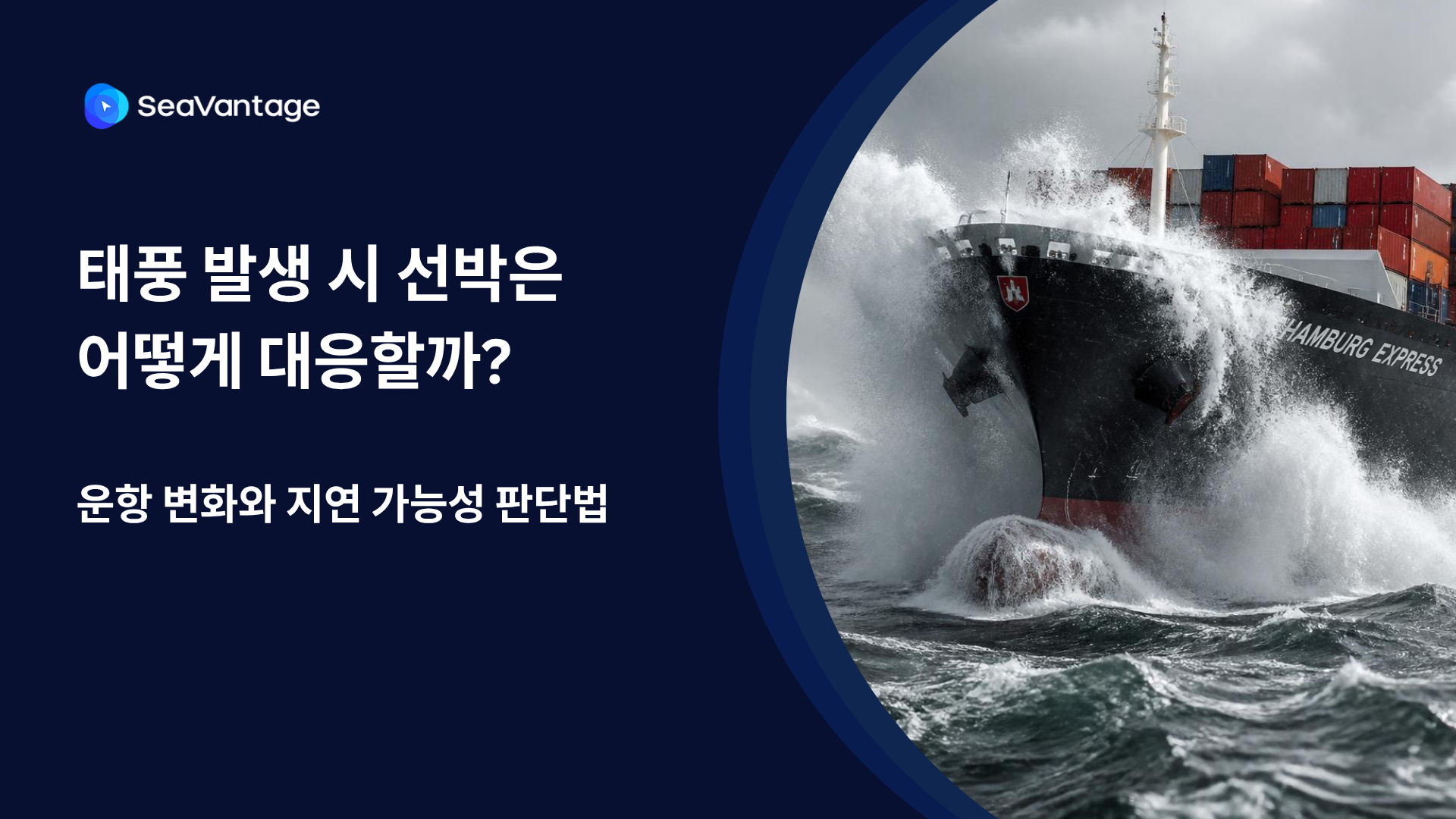
태풍 발생 시 선박은 우회·감속·대기 등 서로 다르게 대응합니다. AIS 항적과 ETA·PTA·PTB, 항만 혼잡 데이터를 활용해 해상운송 지연 가능성을 판단하는 방법을 알아보세요.
Need a SeaRates alternative? See how SeaVantage Cargo Insight supports container tracking, predicted arrivals, shipment milestones, and API access.
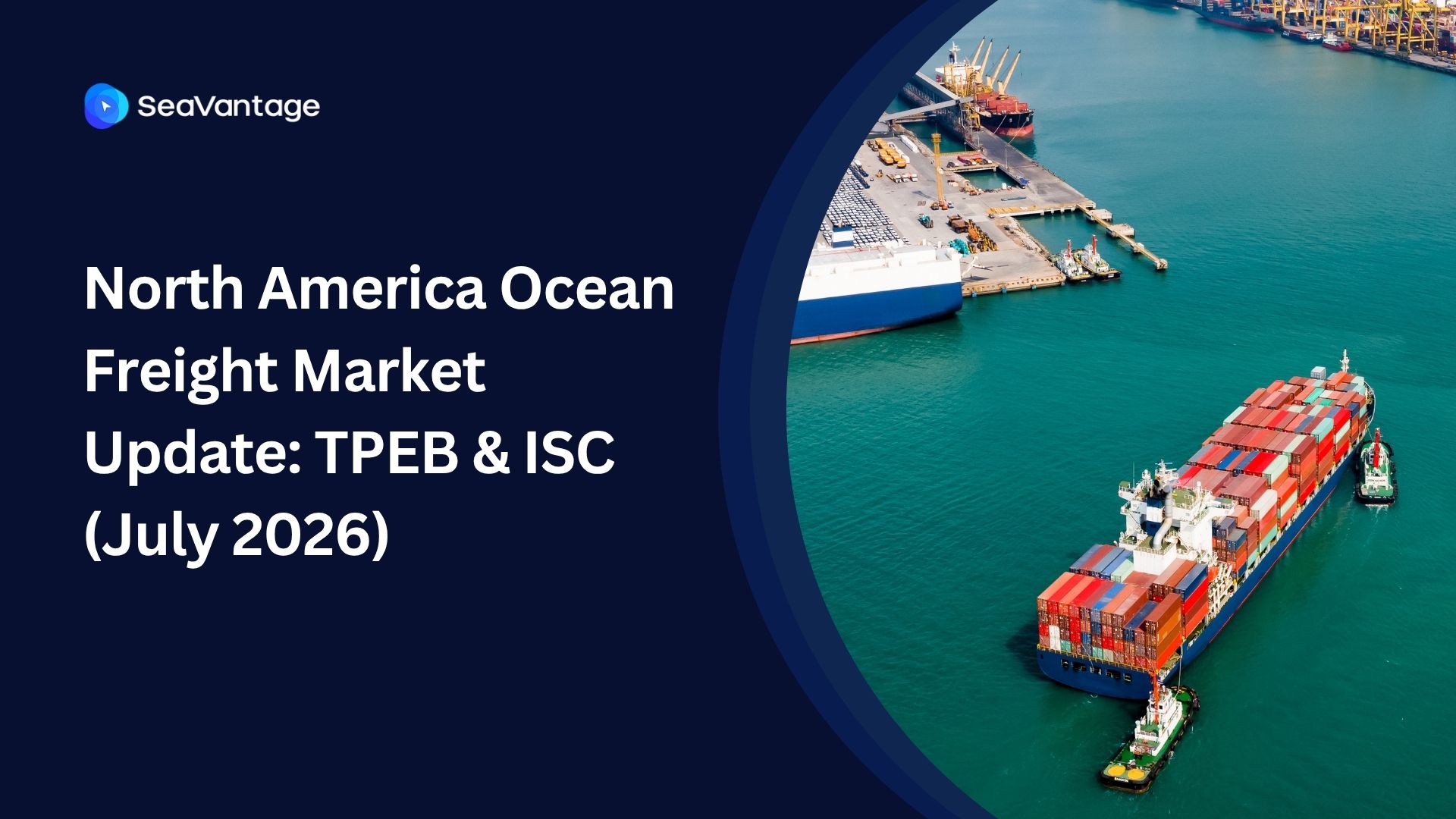
TPEB rates 2026, Indian Subcontinent ocean freight capacity, Strait of Hormuz shipping disruption, schedule reliability ocean carriers
What's driving ocean freight peak season 2026 — rates, surcharges, booking windows, and how to avoid missed inventory deadlines.

.png)


