


CMA CGM Tracking in 2025: Everything You Need to Know
.jpg)
Introduction
CMA CGM, one of the world’s leading shipping and logistics companies, plays a crucial role in global trade. As businesses and individuals depend on seamless cargo transportation, shipment tracking has become a key factor in ensuring transparency and efficiency.
In 2025, CMA CGM continues to refine its shipment tracking technologies, offering real-time visibility, automated notifications, and AI-driven insights to enhance supply chain management. In this guide, we explore how CMA CGM’s tracking system works, its latest advancements, and how you can leverage these tools for a more efficient shipping experience.
Evolution of CMA CGM's Tracking Systems
Over the years, CMA CGM has invested heavily in digital transformation, improving its shipment tracking capabilities. Here’s how tracking has evolved:
- Traditional Methods: Before digitalization, tracking relied on manual updates and email confirmations.
- Online Tracking Systems: The introduction of web-based tracking provided real-time container status updates.
- AI & IoT Integration (2020-2025): The latest advancements use Artificial Intelligence (AI), Internet of Things (IoT), and blockchain to provide predictive analytics, real-time GPS tracking, and enhanced security.
With these improvements, CMA CGM ensures a more transparent and reliable supply chain experience.
Current Tracking Features in 2025
CMA CGM has significantly upgraded its tracking tools, offering a range of features to enhance shipment monitoring:
1. Real-Time Container Tracking
Customers can now track their cargo 24/7 using real-time GPS updates. This feature ensures that businesses can monitor their shipments at every stage of the journey, reducing uncertainties in delivery timelines.
Try CMA CGM’s Real-Time Tracking Here
2. Shipment Dashboard
CMA CGM’s eBusiness platform provides a centralized dashboard where users can access:
Container movement updates
Customs clearance status
Estimated Time of Arrival (ETA)
Shipping documents
The dashboard offers an intuitive interface, making it easier for businesses to manage multiple shipments efficiently.
3. Automated Notifications
To improve tracking efficiency, automated alerts notify users of key shipment events, such as:
- Departure and arrival times
- Customs clearance updates
- Delays and exceptions
This feature ensures proactive communication and allows businesses to adjust their logistics strategies accordingly.
How to Use CMA CGM's Tracking Tools
Tracking your CMA CGM shipment in 2025 is simple. Follow these steps:
1. Access the Tracking Portal
- Visit the CMA CGM eBusiness tracking page
- Sign in to your CMA CGM account for a personalized experience
2. Enter Your Tracking Details
- Use your Container Number
- Enter your Booking or Bill of Lading (B/L) Number
- Click “Track” to get instant updates
3. Interpreting the Tracking Data
Your tracking results will display:
Current location of the container
Estimated arrival time
Shipment status (e.g., in transit, delayed, cleared)
This provides real-time insights into the progress of your shipment.
Third-Party Tracking Solutions
While CMA CGM provides an advanced tracking system, third-party platforms also offer additional insights:
SeaVantage – Allows cross-carrier tracking using container numbers.
These platforms serve as an alternative tracking option for those managing complex logistics across multiple shipping lines.
Benefits of Advanced Shipment Tracking
By leveraging CMA CGM’s cutting-edge tracking technology, businesses and shippers gain:
1. Enhanced Visibility
- Real-time tracking ensures better supply chain transparency.
- Live updates reduce the risk of unexpected delays.
2. Proactive Issue Resolution
- Automated alerts allow quick adjustments in case of disruptions.
- Businesses can reroute shipments or inform customers proactively.
3. Data-Driven Decision Making
- Tracking data helps businesses optimize shipping routes.
- AI-driven insights improve logistics efficiency and cost savings.
Future Trends in Shipment Tracking
By 2025, CMA CGM and other logistics giants are incorporating new technologies to redefine tracking efficiency:
IoT & Smart Containers – Real-time environmental monitoring (e.g., temperature, humidity).
Blockchain Technology – Ensuring tamper-proof shipment tracking data.
AI & Predictive Analytics – Forecasting delays and optimizing delivery routes.
For instance, AI-powered shipment tracking is already being tested to predict transit disruptions, offering smarter logistics solutions (source).
Conclusion
In 2025, CMA CGM’s shipment tracking has evolved into a powerful tool, providing real-time updates, automated alerts, and predictive insights to enhance logistics management.
By leveraging these tracking solutions, businesses can improve supply chain efficiency, reduce risks, and ensure timely deliveries. Whether using CMA CGM’s official tracking tools or third-party platforms, staying informed is the key to smarter logistics.
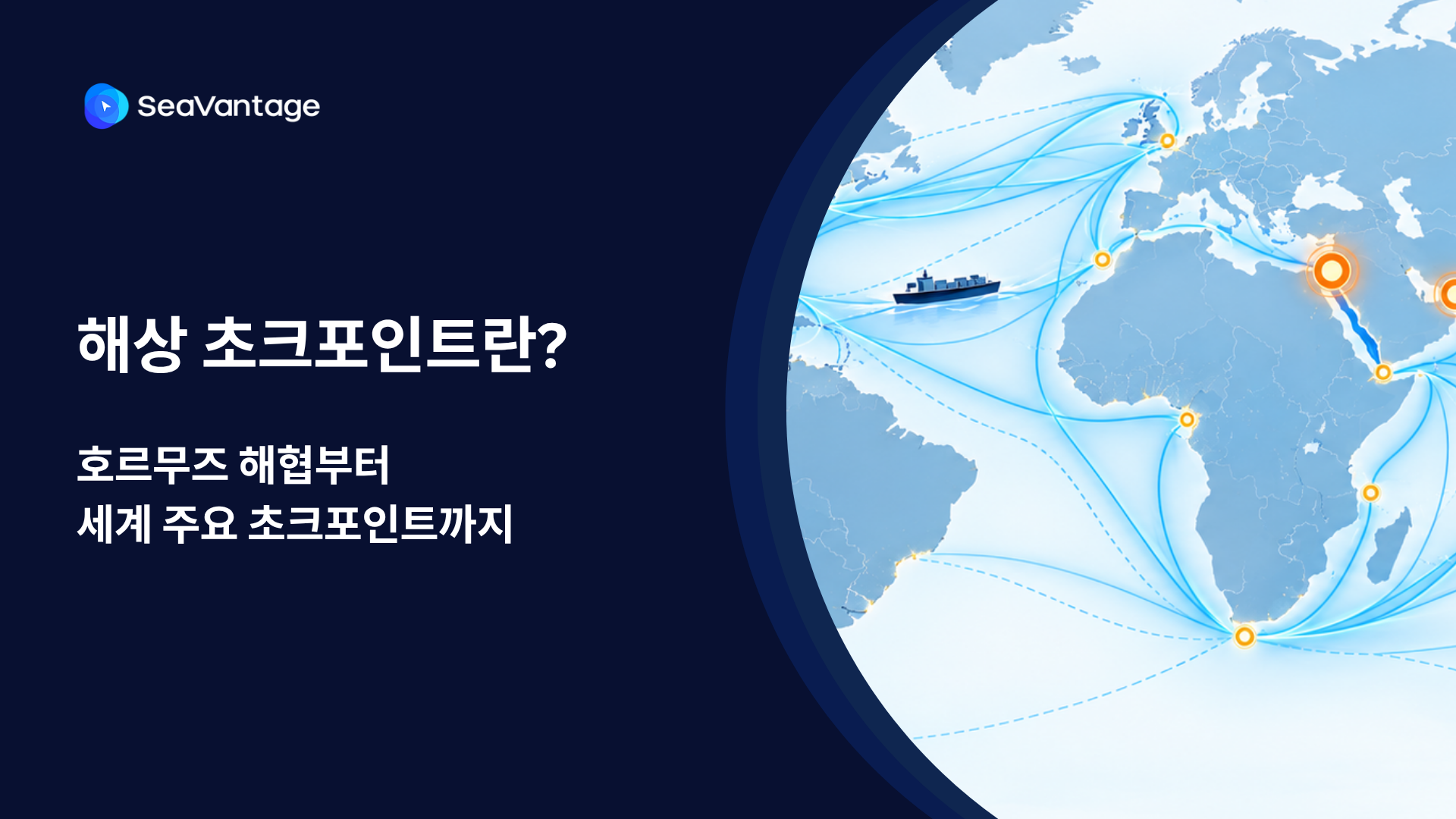

팬스타 아크로호가 지난 8월 22일 북극항로 시범운항을 시작했습니다. 국내 최초 컨테이너선 북극항로 운항 현황과 상업성 검증 항목, 화주·포워더가 주목할 사항을 정리합니다.
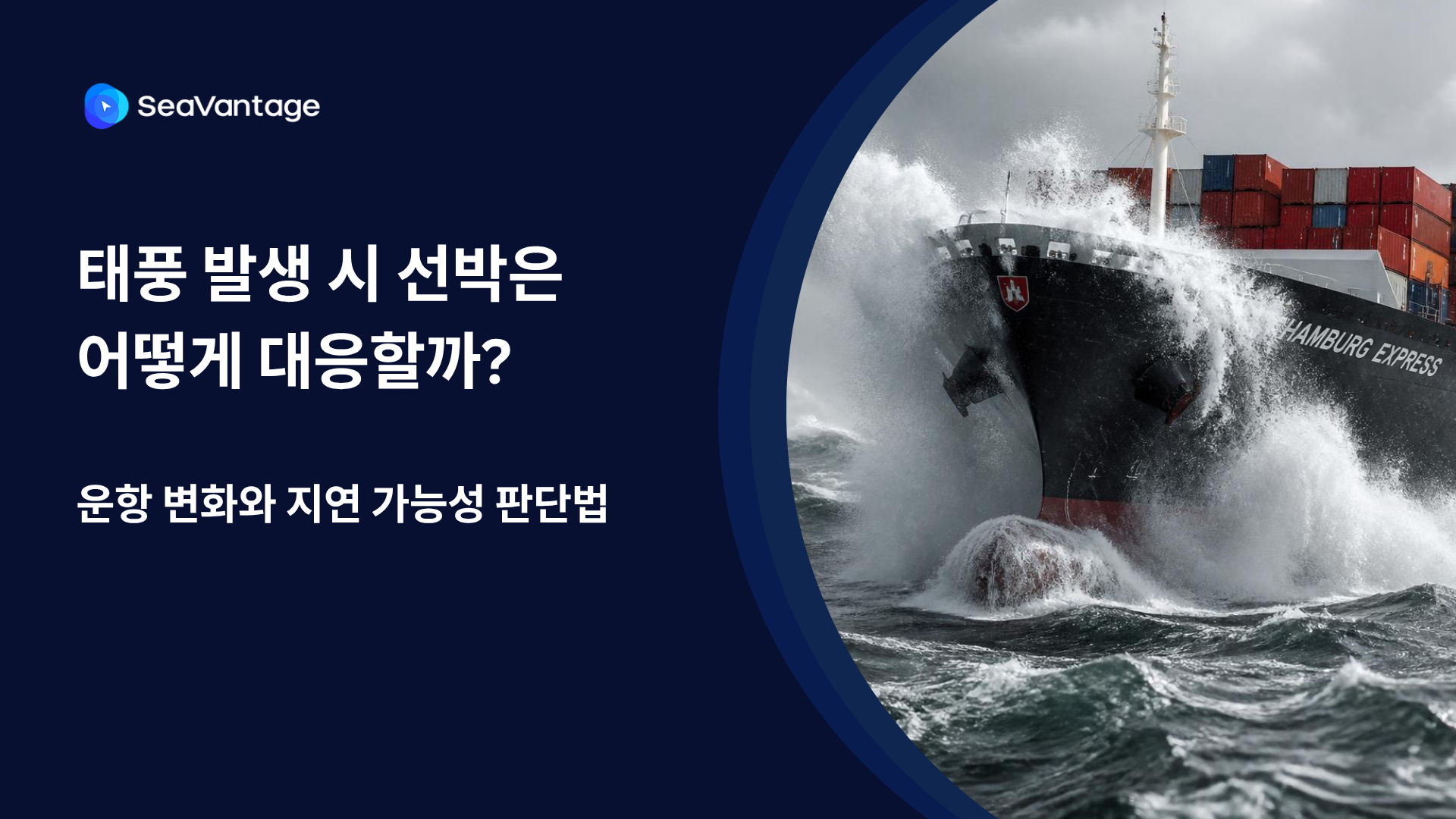
태풍 발생 시 선박은 우회·감속·대기 등 서로 다르게 대응합니다. AIS 항적과 ETA·PTA·PTB, 항만 혼잡 데이터를 활용해 해상운송 지연 가능성을 판단하는 방법을 알아보세요.
Need a SeaRates alternative? See how SeaVantage Cargo Insight supports container tracking, predicted arrivals, shipment milestones, and API access.
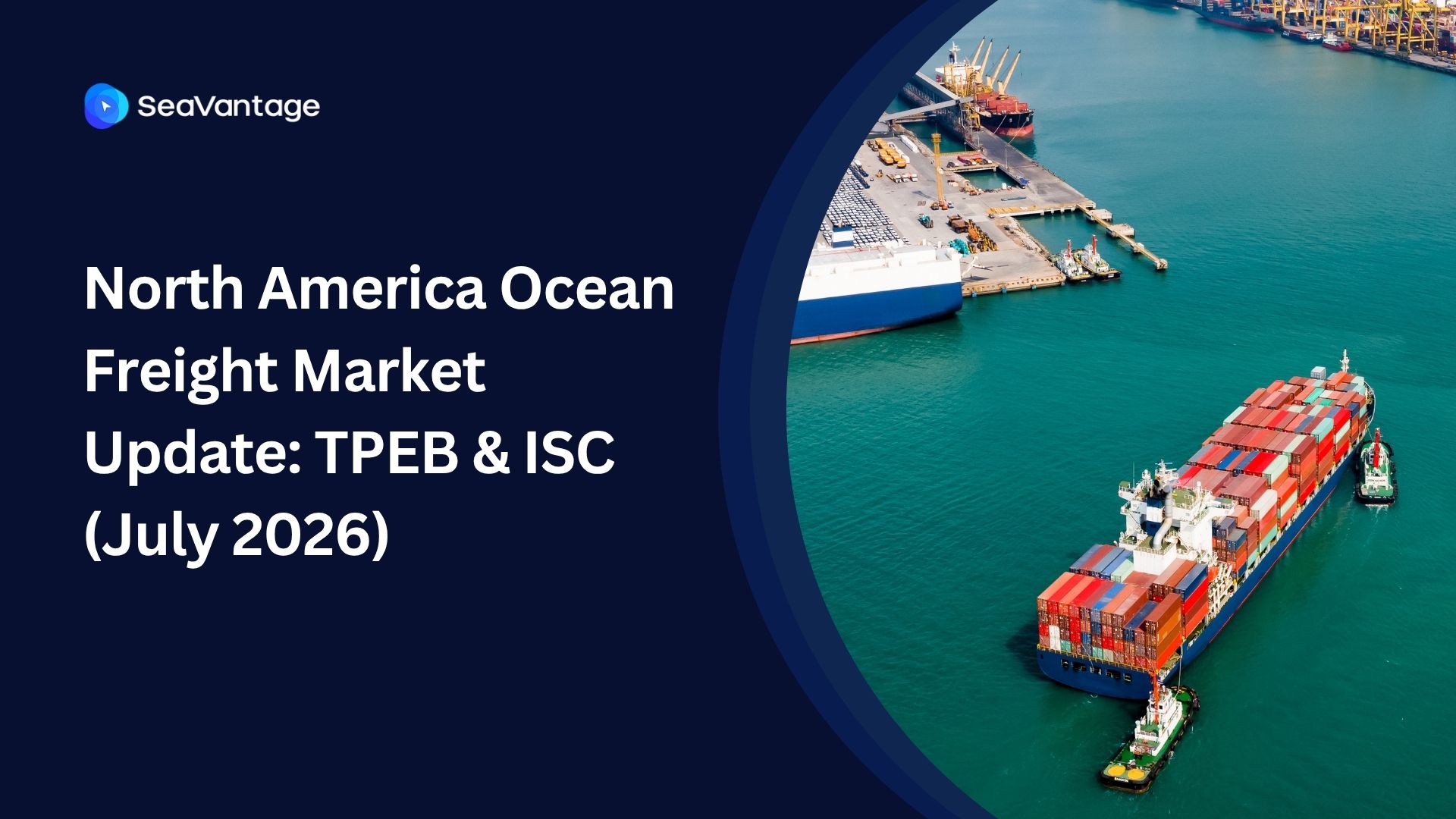
TPEB rates 2026, Indian Subcontinent ocean freight capacity, Strait of Hormuz shipping disruption, schedule reliability ocean carriers
What's driving ocean freight peak season 2026 — rates, surcharges, booking windows, and how to avoid missed inventory deadlines.

.png)


