


The Big Benefits of Real-Time Container Tracking for Small Businesses
.jpg)
Many people think live container tracking is only for huge corporations, but that couldn't be further from the truth. Whether you're shipping ten containers a year or ten thousand, having real-time visibility can make a massive difference. With today's technology, smaller businesses can track shipments without breaking the bank. Affordable tracking solutions are now available for businesses of all sizes, helping them avoid losses and stay competitive in global trade.
Why Every Business Needs Live Container Tracking
Supply chain disruptions don't just affect large companies—they impact everyone. If your shipment is facing delays or gets lost, it can be costly, and negatively impact your business and customers' trust. Live container tracking allows you to stay informed at all times, helping you prepare for potential delays. This means better inventory management, happier customers, and fewer unexpected headaches.
Cost-Effective Tracking Solutions
Many small businesses assume live container tracking is too expensive, but technology has made it more affordable than ever. There are subscription-based tracking services, pay-as-you-go options, and scalable solutions that fit any budget. Investing in tracking isn't just about cost—it's about preventing bigger losses in the long run.
The Future of Live Container Tracking for Everyone
As technology relentlessly gets more sophisticated, anticipate container tracking to become even more accessible than it already is. The user friendly interfaces are ceaselessly evolving. Before you know it, companies of all sizes—big or small—will have the tools to track shipments in real time, ensuring smoother operations and better supply chain management. Don't miss out—fully embrace live container tracking and take control of your logistics today!
How Live Container Tracking Boosts Customer Satisfaction
Imagine promising your customer a delivery date and then having no idea if the shipment will arrive on time. That's a recipe for stress and unhappy customers. Live container tracking enables you to provide accurate delivery estimates and keep your customers updated along the way. This transparency builds trust and reduces customer anxiety.
When customers are able to track their orders in real time, it is a given that they feel more in control. It's like tracking a pizza delivery but on a much larger scale. If there's a delay, they're more likely to understand because they can see exactly where the shipment is. This level of visibility leads to better communication and happier customers.
Reducing Risk and Preventing Losses
No one wants to think about lost or stolen shipments, but it happens more often than you might think. Live container tracking significantly reduces this risk. From identifying the precise location of your cargo at all times, you can quickly spot if something goes off course. If a container is unexpectedly delayed or stops moving, you can investigate immediately.
This level of security is especially important for high-value shipments. It's not just about tracking location—it's also about ensuring the safety of your goods. Live tracking also helps in filing insurance claims faster by providing accurate data on when and where a loss occurred.
Streamlining Operations with Live Container Tracking
Running a small business means juggling a lot of moving parts. Live container tracking helps you streamline operations by giving you a bird's-eye view of your supply chain. You'll know when to expect shipments, so you can plan inventory and labor more efficiently. This reduces downtime and keeps your operations running smoothly.
Real-time tracking data also allows you to analyze shipping routes and optimize them for faster delivery times. By choosing the most efficient routes, you can reduce fuel consumption and reduce environmental impact. It's far more than merely knowing where your containers are—it's about making your entire supply chain smarter.
Success Stories: Small Businesses Winning with Live Tracking
Small businesses of all sizes worldwide are leveraging live container tracking to grow and thrive. Take, for example, a boutique furniture maker who imports custom pieces from overseas. Preceding live tracking, they had no idea when shipments would arrive, leading to inventory shortages and frustrated customers. Now, they can accurately estimate delivery times, manage stock levels, and keep customers informed.
Another example is a local food distributor who relies on fresh imports. With live container tracking, they monitor temperature-sensitive shipments in real time. If the temperature fluctuates, shippers can receive immediate alerts, allowing them to take action before the goods spoil. This has significantly reduced waste and improved customer satisfaction.
Choosing the Right Live Container Tracking Solution
With so many tracking solutions on the market, choosing the right one can be overwhelming. It's critical to select a system that fits your business size and budget. Look for solutions that offer customizable alerts, real-time updates, and easy integration with your pre-existing systems. Don't be afraid to start small and scale up as your business expands.
Consider cloud-based solutions that allow you to track shipments from any device, anywhere in the world. This flexibility is ideal for small business owners who are always on the go. Remember, the goal is to make your life easier—not more complicated.
Getting Started with Live Container Tracking
Are you ready to take the leap into live container tracking? Begin by assessing your current shipping process. Identify where delays or issues occur most often. This will help you decide what features you need in a tracking system.
Once you've chosen a solution, train your team on how to use it effectively. Make tracking a regular part of your logistics strategy, and don't forget to communicate tracking updates with your customers. The more transparent you are, the more trust you build.
The Bottom Line
Live container tracking isn't just for big companies—it's for everyone. Small businesses are also beneficiaries from having real-time visibility into their shipments. Whether you want to reduce risks, streamline operations, or improve customer satisfaction, live tracking is the way to go.
As technology continues to advance, live container tracking will only get better and more accessible. Don't wait until your company scales up, start using it now regardless of the size of your business. Be at the forefront of the game and set your business up for success. Tracking isn't just about identifying where your containers are on the map; it's about growing your business smarter and faster.

팬스타 아크로호가 지난 8월 22일 북극항로 시범운항을 시작했습니다. 국내 최초 컨테이너선 북극항로 운항 현황과 상업성 검증 항목, 화주·포워더가 주목할 사항을 정리합니다.
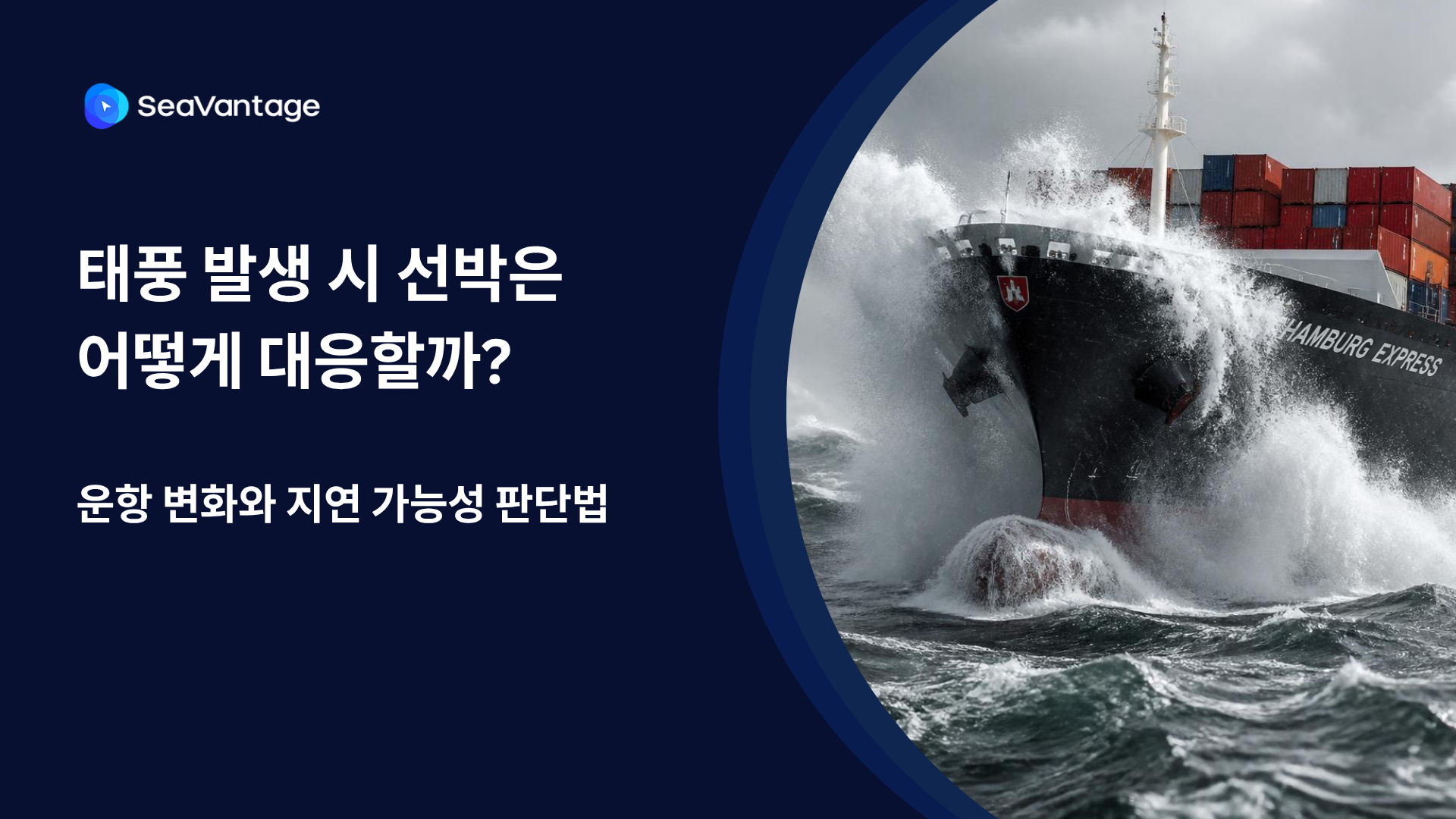
태풍 발생 시 선박은 우회·감속·대기 등 서로 다르게 대응합니다. AIS 항적과 ETA·PTA·PTB, 항만 혼잡 데이터를 활용해 해상운송 지연 가능성을 판단하는 방법을 알아보세요.
선사 ETA가 바뀌기 전에 일정 변동 가능성을 미리 파악할 수 있을까요? PTA와 ETA의 차이, 구간별 확인 방법, 실무 대응 시나리오 5가지를 소개합니다.
Need a SeaRates alternative? See how SeaVantage Cargo Insight supports container tracking, predicted arrivals, shipment milestones, and API access.
TPEB rates 2026, Indian Subcontinent ocean freight capacity, Strait of Hormuz shipping disruption, schedule reliability ocean carriers
What's driving ocean freight peak season 2026 — rates, surcharges, booking windows, and how to avoid missed inventory deadlines.

.png)


