


North America & Global Ocean Freight Market Update: June 2026

Key Takeaways (TL;DR)
- Early Peak Season & Rate Surges: Ocean freight rates have hit highs comparable to June 2025, driven heavily by simultaneous global demand and shipper front-loading ahead of expected tariff charges and DDP regulation changes.
- Air Freight Super Cycle: Air freight rates are up 33% year-over-year, largely propelled by a massive structural super cycle in AI infrastructure and data center CapEx.
- Panama Canal Weight Restrictions: Carriers are reintroducing weight restrictions for US East Coast and Gulf shipments via the Panama Canal due to draft limitations (15.9 meters) caused by potential drought conditions.
- Capacity Constraints: Ocean deployment is at full capacity. Extra loaders (XLs) and the mid-June return of MSC's Pearl service have added space to the Pacific Southwest (PSW), but carriers are reluctant to add XLs to the East Coast.
- US-Iran Ceasefire & Fuel: The mid-June ceasefire has reopened straits and lifted the naval blockade. However, global fuel prices will take time to normalize as global reserves are sitting at just four weeks of remaining fuel
Global Ocean Freight Trends & Capacity Updates
We are currently witnessing an early peak season across global markets. Demand has surged simultaneously, driving Transpacific Eastbound (TPEB) rates to highs we haven't seen since June 2025. Current expectations point to these elevated booking levels continuing straight into July.
From a supply standpoint, vessel deployment is basically at full capacity. To help manage the surge in demand and clear out rolled cargo pools, extra loaders (XLs) and the mid-June reintroduction of MSC's Pearl service (routing from Southern China) have added vital capacity to the Pacific Southwest (PSW). However, carriers remain highly reluctant to deploy extra loaders to the US East Coast and Gulf regions due to the extended transit times required to serve those gateways.
Geopolitical & Fuel Impacts
In major international news, the US-Iran ceasefire signed at Versailles has successfully reopened the straits and lifted the naval blockade, allowing Iranian oil tankers to resume movements.
Despite this positive shift, fuel costs (VLSFO) remain exceptionally high in the Middle East and Singapore, though Rotterdam currently offers more favorable bunkering options. Shippers should be aware that global fuel prices will take time to normalize; emergency stockpiles are severely depleted, with global reserves sitting at roughly four weeks of fuel remaining.
See also: Ocean Freight Market Update – May 2026
Regional Ocean Port Operations & Congestion
Destination-side cargo handling remains surprisingly resilient despite the peak season, though there are specific global hotspots to monitor:
Frequently Asked Questions (FAQ)
Why are ocean freight rates surging right now?
Peak conditions hit multiple markets simultaneously in May and June. The rapid increase is primarily driven by shipper front-loading ahead of anticipated tariff charges and regulatory changes (like DDP regulations), combined with high global fuel costs.
How is the Panama Canal affecting US East Coast and Gulf shipments?
Going into a potential drought season, the Panama Canal has implemented a draft restriction of 15.9 meters. Because vessels are fully loaded, carriers have reintroduced cargo weight restrictions for containers routing via the Canal to the East Coast and Gulf. Shippers with heavy cargo may face limited options.
What is driving the massive spike in air freight demand?
While traditional quarter-end and e-commerce demands play a role, the biggest driver is an AI infrastructure "super cycle." Massive investments in hyperscale data centers ($600 billion in 2026 CapEx) require immense amounts of hardware. This specific segment is growing at a 40% year-over-year rate, significantly outpacing overall air cargo growth.
How will the US-Iran ceasefire impact fuel costs?
While the ceasefire lifts the naval blockade and allows oil tankers to resume movements, immediate price relief is unlikely. Global emergency stockpiles are heavily depleted—with only about four weeks of fuel remaining globally. Production and shipping demands remain high, so it will take several months for fuel prices to fully normalize
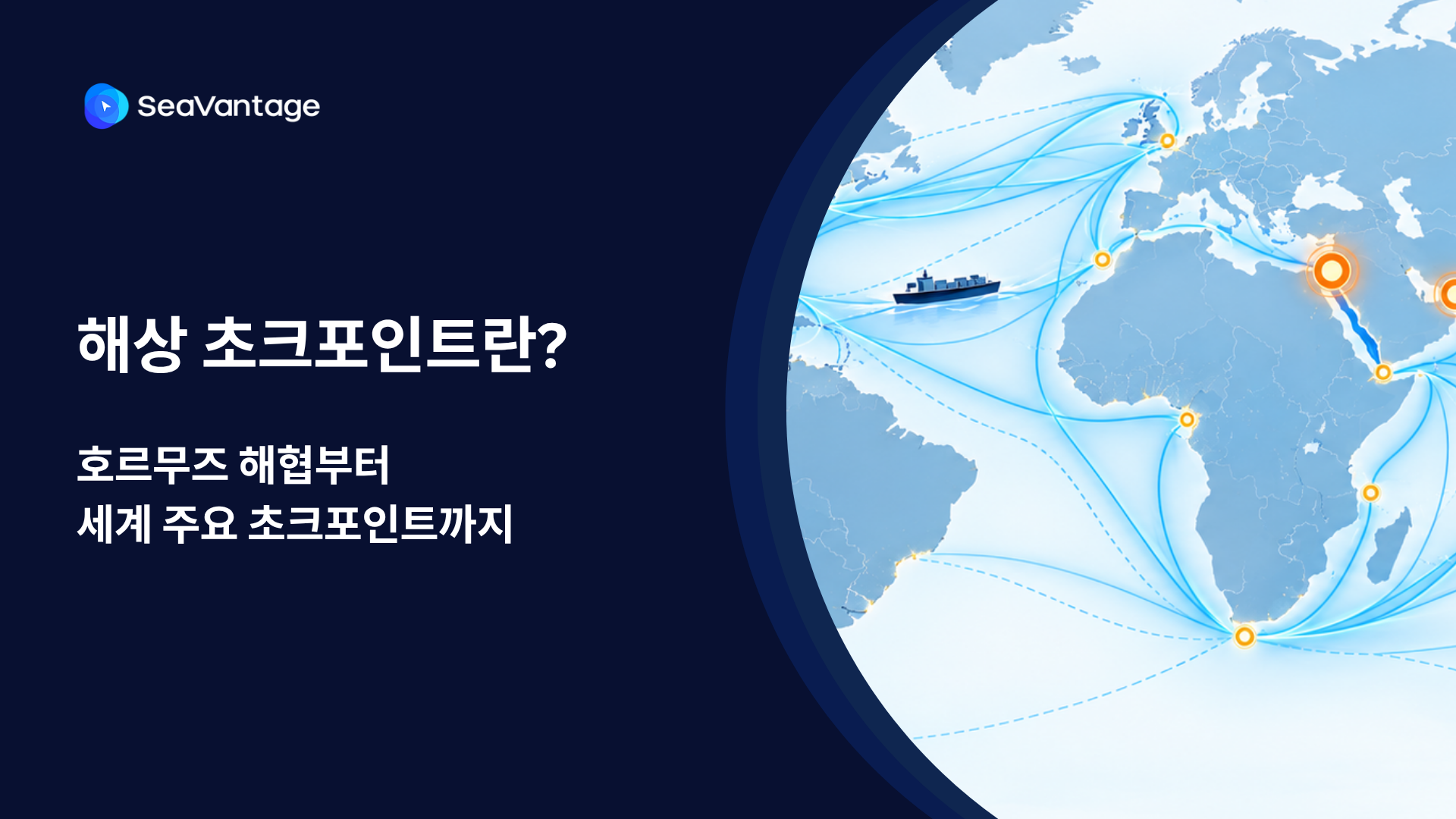

팬스타 아크로호가 지난 8월 22일 북극항로 시범운항을 시작했습니다. 국내 최초 컨테이너선 북극항로 운항 현황과 상업성 검증 항목, 화주·포워더가 주목할 사항을 정리합니다.
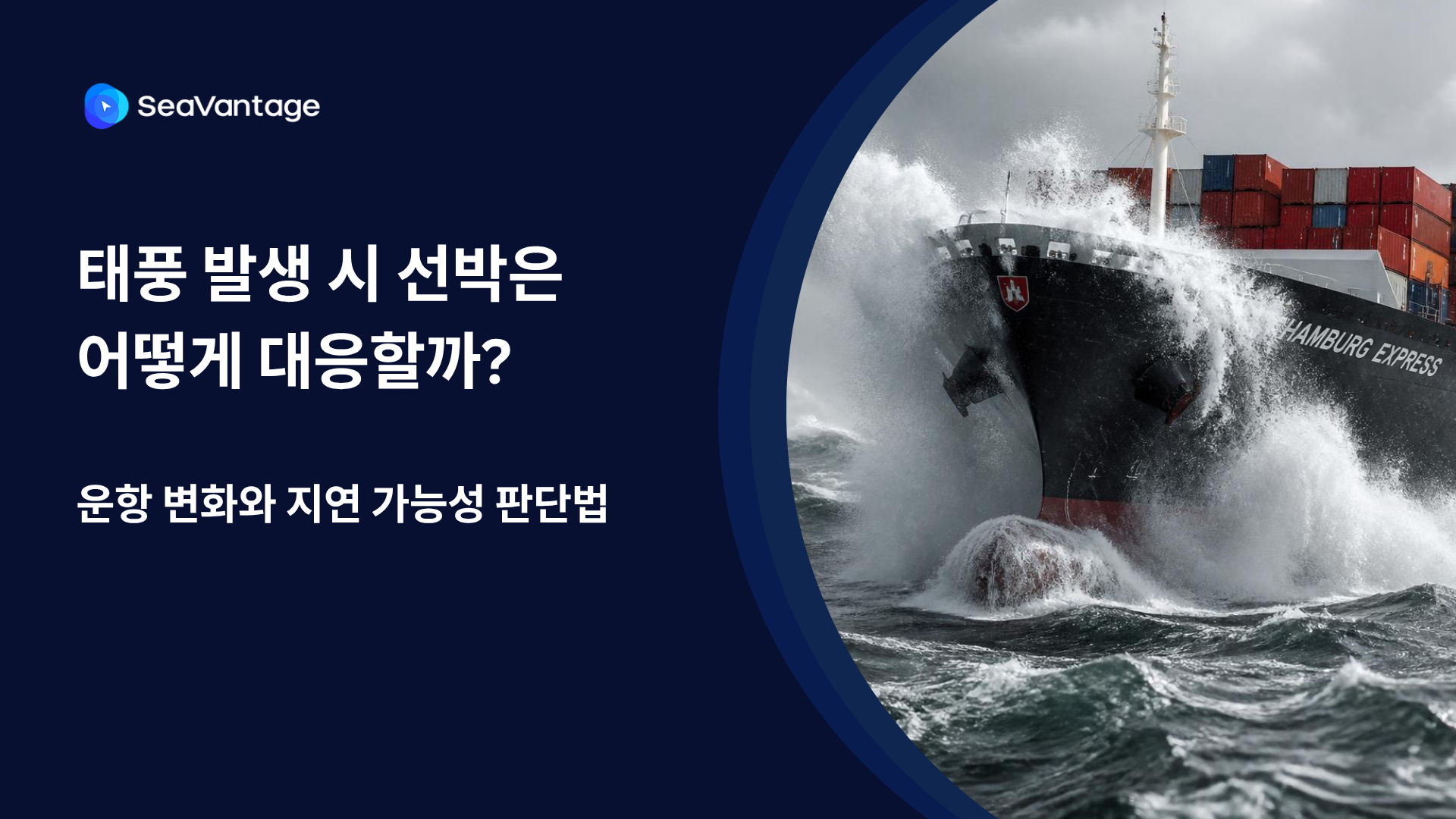
태풍 발생 시 선박은 우회·감속·대기 등 서로 다르게 대응합니다. AIS 항적과 ETA·PTA·PTB, 항만 혼잡 데이터를 활용해 해상운송 지연 가능성을 판단하는 방법을 알아보세요.
Need a SeaRates alternative? See how SeaVantage Cargo Insight supports container tracking, predicted arrivals, shipment milestones, and API access.
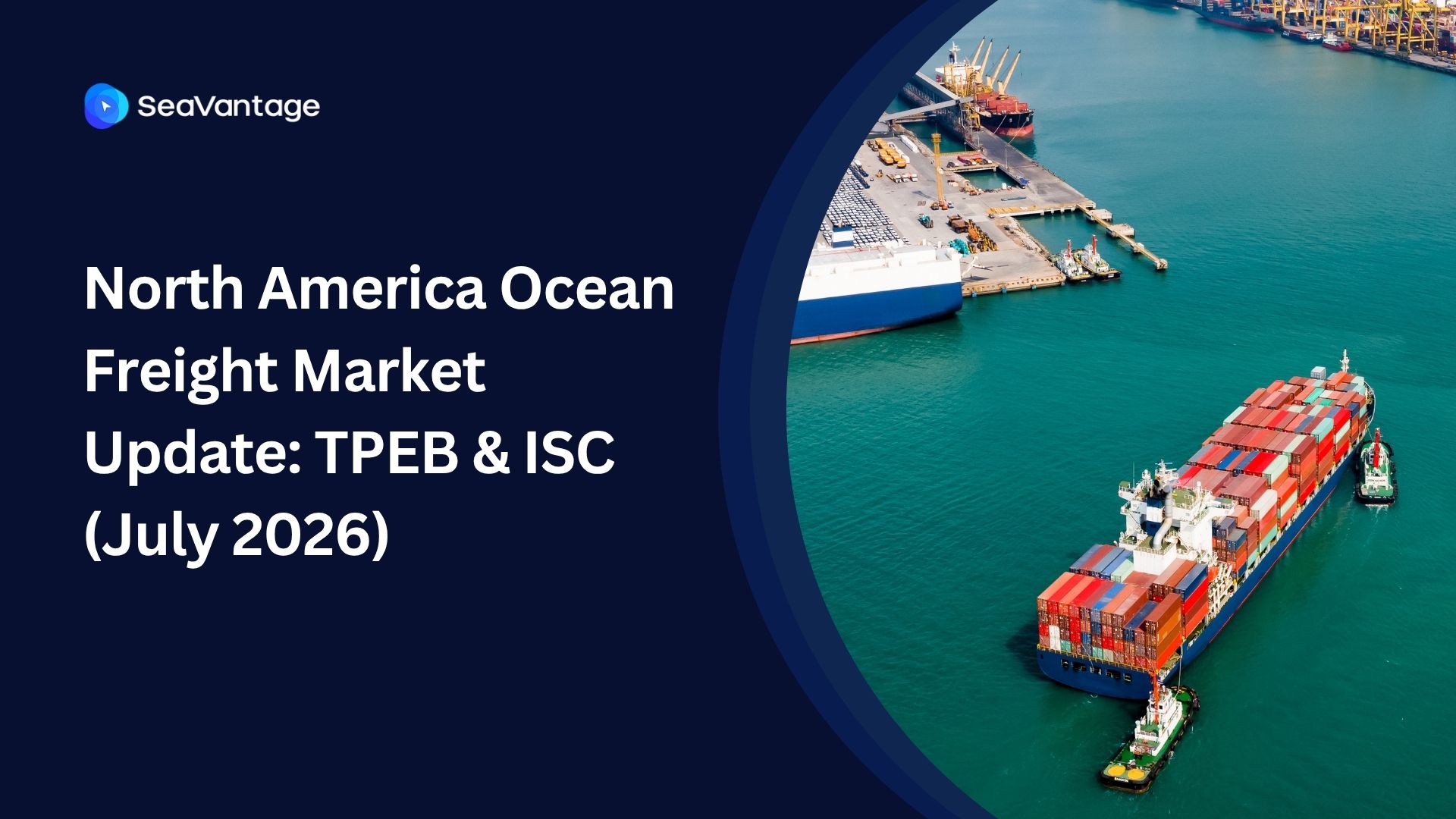
TPEB rates 2026, Indian Subcontinent ocean freight capacity, Strait of Hormuz shipping disruption, schedule reliability ocean carriers
What's driving ocean freight peak season 2026 — rates, surcharges, booking windows, and how to avoid missed inventory deadlines.

.png)


