


Build vs. Buy vs. Partner: How System Integrators Solve Container Visibility for Enterprise Clients
TL;DR
- Once a client engagement calls for container or ocean freight visibility, firms face three paths: build it themselves, buy a generic bolt-on module, or partner with a specialized visibility provider.
- Building in-house means owning a specialized, continuously changing data domain (AIS feeds, port and terminal geofencing, carrier schedules) forever — not just for the length of the engagement.
- Buying a generic module — the tracking feature bundled into a TMS or ERP — is fast to procure but rarely predictive, rarely ocean-freight-specific, and rarely built to embed into a client-facing deliverable.
- Partnering with a specialized, API-first visibility provider is increasingly the default: it turns a build-and-maintain problem into a configure-and-deploy one, without the firm taking on infrastructure it has no reason to own.
- The right decision usually comes down to one question: is this a one-time need, or does the firm expect to deliver visibility on repeat engagements? SeaVantage partners with consulting and SI firms on the latter. Talk to our Partnerships team →
The Real Question Isn't "Can We Build This" — It's "Should We Own It Forever"
Our previous post covered why maritime visibility has become a recurring requirement in supply chain digital transformation work, not a one-off ask. Once a firm accepts that premise, the next question is almost always the same: build it, buy it, or partner for it?
Technically, almost any of the three can get a client to "we can see our containers." The real difference between them shows up later — in who's on the hook for keeping that data accurate, current, and reliable six months after the engagement closes.
Option 1: Build In-House
What Building Actually Requires
Ocean freight visibility isn't a simple API wrapper around a single data source. A working system needs, at minimum:
- Multi-source AIS vessel tracking (satellite and terrestrial), since no single feed offers complete global coverage
- Port and terminal geofencing to translate raw position data into meaningful events (arrived, berthed, departed)
- Carrier schedule and milestone data, reconciled against actual vessel movement
- A predictive model that improves on carrier-reported ETAs, rather than simply repeating them
- Ongoing maintenance as carriers change schedules, ports change layouts, and data providers change formats
None of that is a one-time build. It's a standing data operation.
Where Build Breaks Down
For a single client engagement, building in-house rarely pencils out. The firm ends up owning infrastructure that has nothing to do with its core advisory or integration work, maintained by a team that could otherwise be billing client hours. And because the underlying data sources shift constantly, "build once" quietly becomes "maintain indefinitely" — a cost that doesn't show up in the original engagement scope.
Build can make sense in narrow cases: a firm with deep existing maritime data expertise, or a client with genuinely unique requirements no vendor addresses. For most engagements, it's the exception, not the default.
Option 2: Buy a Generic Module
What You Get
Most transportation management systems (TMS) and ERP platforms now bundle some form of shipment tracking. It's fast to procure, familiar to implement, and checks the "we have visibility" box on a slide.
Where Buy Falls Short
Bundled tracking modules are usually built for breadth across all modes of transport, not depth on ocean freight specifically. In practice, that tends to mean:
- Reliance on carrier-reported ETAs with little to no predictive correction
- Limited or no AIS-based real-time vessel position data
- Minimal port/terminal-level detail (congestion, berthing status, dwell time)
- A dashboard built for the platform's own users, not designed to be embedded into a firm's client-facing deliverable
A generic module can be enough when a client's ask is genuinely basic. It's rarely enough when the client's real question is "when will this actually arrive" — the ETA-versus-reality gap we covered in the previous post.
Option 3: Partner with a Specialized Visibility Provider
What Partnering Actually Looks Like
A specialized, API-first visibility partner is built to be integrated, not just installed. In practice, that means:
- The firm's team pulls live vessel position, predicted arrival time, and port congestion data through an API, directly into whatever system or dashboard the client already uses
- The visibility layer deploys inside a normal engagement timeline — weeks, not quarters
- The partner carries the ongoing maintenance burden (data sourcing, carrier schedule changes, model accuracy) so the firm doesn't have to
- The partner stays behind the scenes: the firm remains the client's advisor of record, and the technology is delivered as part of the firm's engagement, not a separate vendor relationship the client has to manage independently
Why This Is Becoming the Default for SI and Consulting Firms
Partnering converts a fixed cost the firm would otherwise carry (build) or a compromise on quality (generic buy) into a variable, engagement-aligned cost that scales with client work. For firms delivering supply chain visibility across multiple client engagements — rather than once — that math tends to favor partnering more with every additional engagement.
Build vs. Buy vs. Partner: A Side-by-Side Comparison
How to Decide for a Specific Client Engagement
A simple way to frame the decision:
- Is this a one-time, narrow requirement, or will visibility likely come up on future engagements too? One-time and narrow leans toward buy; recurring leans toward partner.
- Does the client's system already have a place to receive live data, or does it need a new dashboard? An API-first partner fits either case; a generic module usually assumes the second.
- How much does prediction accuracy matter to this client's use case? If the client's real pain point is "our ETAs are always wrong," a generic module won't solve it — that requires a predictive model, not just a data feed.
- Who's expected to maintain this after the engagement closes — the firm, the client, or the vendor? If the honest answer is "nobody has budgeted for that," build is very likely the wrong choice.
We'll publish a full RFP checklist next in this series, for firms ready to formally evaluate visibility vendors against these criteria.
Frequently Asked Questions
Should a consulting or systems integration firm build its own container tracking system?
Generally, no — unless the firm has deep existing maritime data expertise or the client's requirements are genuinely unique. Ocean freight visibility requires continuously maintained data (AIS feeds, port geofencing, carrier schedules), which turns a single-engagement build into an indefinite maintenance commitment.
What's the difference between a generic TMS tracking module and a specialized visibility partner?
A generic module bundled into a TMS or ERP typically relies on carrier-reported ETAs with little correction for accuracy, and is built for the platform's own users rather than to be embedded in a client-facing deliverable. A specialized visibility partner is API-first, offers predictive arrival data, and is designed specifically to plug into someone else's system or engagement.
Does partnering with a visibility vendor compete with our advisory relationship with the client?
It shouldn't, if the vendor is built for this use case. A well-structured partnership keeps the visibility provider behind the scenes — the firm remains the client's advisor of record, and the technology is delivered as part of the firm's engagement rather than a separate vendor relationship the client manages on its own.
How quickly can a visibility partner be deployed inside an existing engagement timeline?
A specialized, API-first partner is typically built to deploy in weeks rather than the months or quarters a build project would take, since the underlying data infrastructure already exists and doesn't need to be built from scratch.
What should we look for if we decide to partner rather than build or buy?
At minimum: an API-first architecture, a predictive (not purely carrier-reported) arrival model, documented enterprise SLAs, and a track record of deploying inside normal engagement timelines. Our next post includes a full RFP checklist covering this in detail.
The Bottom Line
Build, buy, and partner are all technically capable of getting a client to "we can see our containers." The difference is what each path costs the firm after the engagement ends — in maintenance, in accuracy, and in whether the visibility layer actually holds up under the next disruption. For firms delivering this on more than one engagement, partnering with a specialized, API-first provider is increasingly the option that doesn't turn into a liability six months later.
SeaVantage partners with consulting and systems integration firms to add container and vessel-level visibility to client engagements — API-first, enterprise-SLA-backed, and built to deploy inside your existing timeline.
Talk to our Partnerships team →
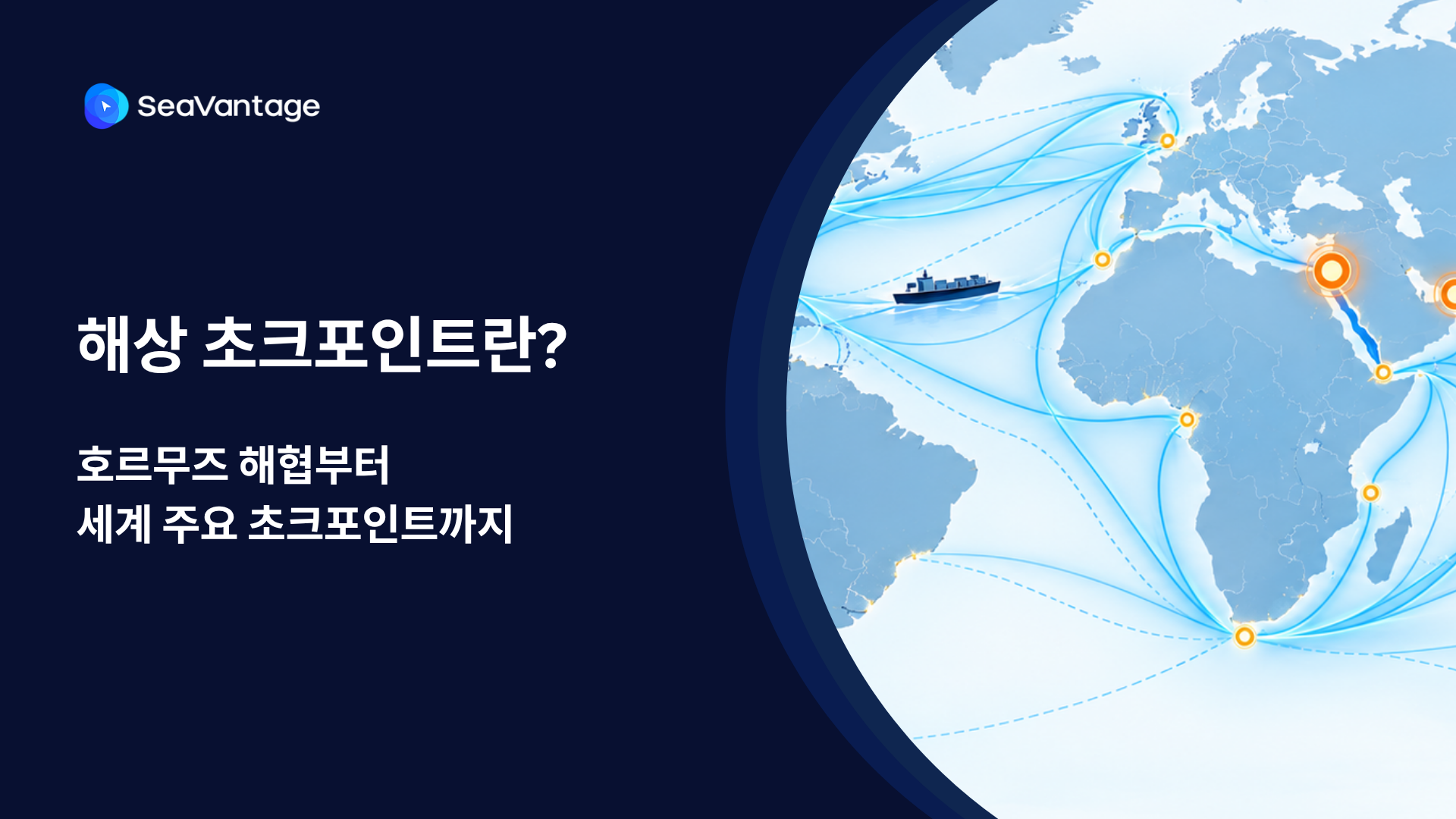

팬스타 아크로호가 지난 8월 22일 북극항로 시범운항을 시작했습니다. 국내 최초 컨테이너선 북극항로 운항 현황과 상업성 검증 항목, 화주·포워더가 주목할 사항을 정리합니다.
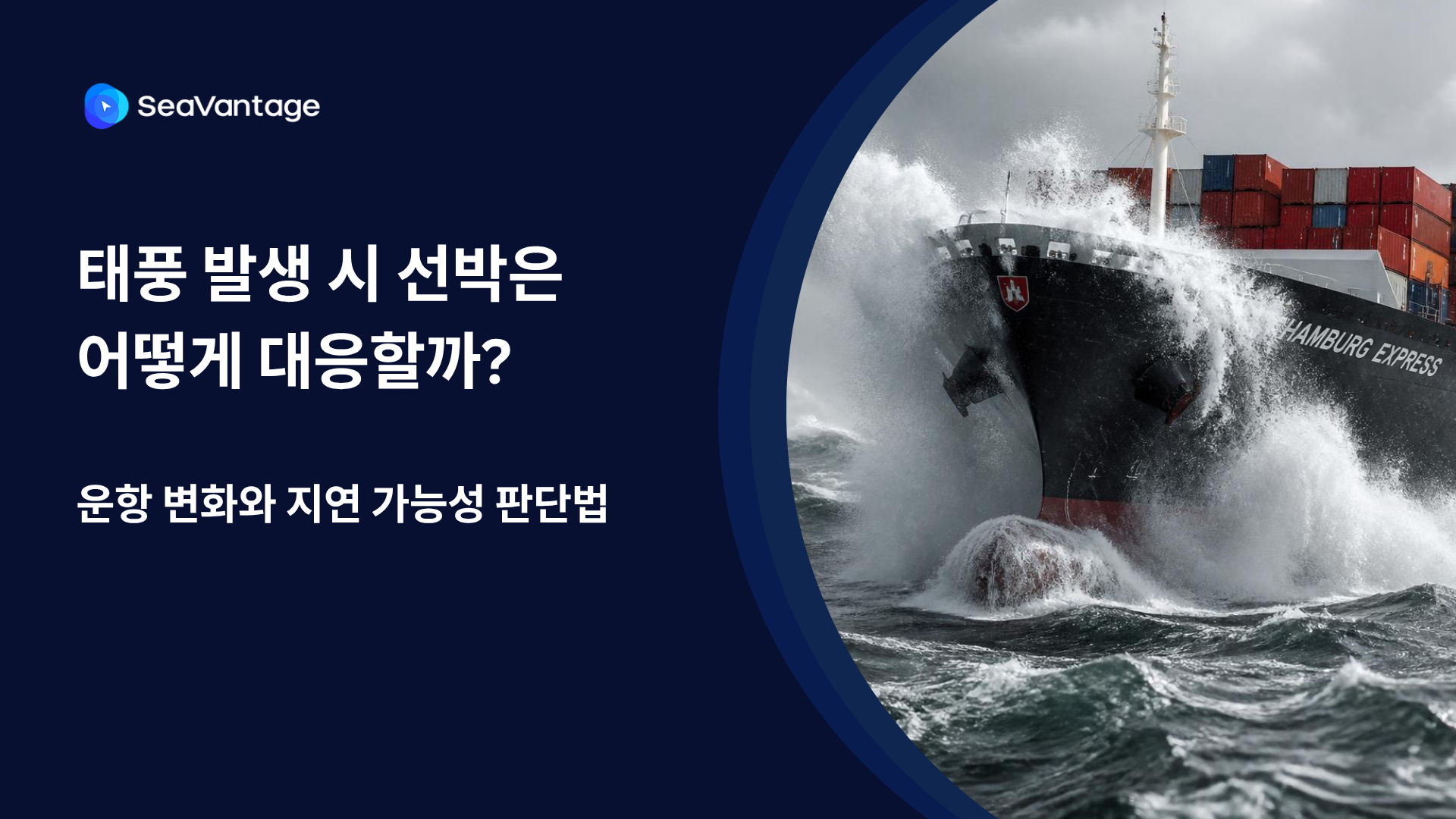
태풍 발생 시 선박은 우회·감속·대기 등 서로 다르게 대응합니다. AIS 항적과 ETA·PTA·PTB, 항만 혼잡 데이터를 활용해 해상운송 지연 가능성을 판단하는 방법을 알아보세요.
Need a SeaRates alternative? See how SeaVantage Cargo Insight supports container tracking, predicted arrivals, shipment milestones, and API access.
TPEB rates 2026, Indian Subcontinent ocean freight capacity, Strait of Hormuz shipping disruption, schedule reliability ocean carriers
What's driving ocean freight peak season 2026 — rates, surcharges, booking windows, and how to avoid missed inventory deadlines.

.png)


