


Best Vessel Tracking Software in 2026: 8 AIS Platforms Compared
TL;DR — The Short Version
• AIS data itself is a commodity in 2026. Every major vessel tracking platform pulls from the same satellite and terrestrial constellations. What you're really buying is the intelligence layer on top.
• We compared 8 platforms across coverage, latency, analytics depth, and best-fit buyer: SeaVantage ,Marine Traffic (Kpler), VesselFinder, FleetMon, Spire Maritime, ORBCOMM, Windward, and Pole Star Global.
• SeaVantage leads when vessel tracking needs to be fused with container, port, and ETA intelligence in a single operational view.
• Best for raw AIS at scale: Spire Maritime, ORBCOMM. Best for risk and compliance: Windward, Pole StarGlobal. Best for general maritime visibility: MarineTraffic, VesselFinder. Best for fleet ops: FleetMon.
• Choose by what sits above AIS — not by who claims the most vessels tracked.
Vessel tracking software in 2026 is one of the most over-marketed corners of maritime tech. Every platform claims "global AIS coverage," "real-time updates," and "AI-powered analytics." Most of them buy AIS from the same upstream providers.
That's why the decision can't be made on raw AIS specs anymore. It has to be made on the layer above — analytics, integration, fusion with other data sources, and the specific workflow you're trying to serve. This guide walks through the eight platforms shippers, BCOs, forwarders, traders, and risk teams are actually evaluating in 2026.
The 2026 Truth: AIS Is a Commodity. The Layer Above Isn't.
There are essentially four buyer camps for vessel tracking in 2026. Each one is buying a fundamentally different product, even though the vendors all live in the same category.
Now let's look at each platform individually.
1. SeaVantage — Best for Fused Vessel + Container + Port Intelligence
Buyer camp: Operations, shippers, forwarders
SeaVantage approaches vessel tracking not as a stand alone product but as one signal inside a broader ocean operating picture. Every vessel position is contextualized by terminal congestion, dwell history, and predicted port performance — which means the ETA you see isn't a straight-line extrapolation, it's a forecast that already accounts for the bottleneck the vessel is heading into.
For ops teams making routing, customer-communication, or inventory decisions, this fusion is the difference between knowing a vessel is approaching Long Beach and knowing whether Long Beach can take it on schedule.The platform's predictive vessel ETAs typically tighten well inside what carrier-published schedules deliver — and they update continuously as port conditions change.
Best for
• BCOs and forwarders who want a single screen for vessel, container, and port
• Ops teams that need ETAs they can stand behind in a customer call
• Buyers comparing standalone AIS tools and realizing AIS-only doesn't answer their question
See also Single API for Total Fleet & Vessel Visibility
2. MarineTraffic (Kpler) — Mainstream Maritime Platform
MarineTraffic is the most-recognized name in the category— for good reason. The platform covers virtually every commercial vessel globally, with strong port-call data, fleet management features, and an ecosystem that now sits inside Kpler's broader maritime intelligence suite. Coverage and uptime are reliably excellent.
MarineTraffic's strength is breadth and ubiquity; it's the maritime equivalent of a default search engine. For ocean visibility specifically, the platform is general-purpose rather than ops-optimized —predictive port intelligence and container-level fusion are not its primary focus.
• Best for: General maritime visibility, fleet operators, port stakeholders.
3. VesselFinder — Cost-Effective Global Coverage
VesselFinder offers a credible alternative to Marine Traffic at typically lower price points, with strong global AIS coverage and a clean web/mobile UI. The platform has invested heavily in satellite AIS in recent years, closing the deep-ocean coverage gap that used to separate it from premium providers.
For organizations that need global vessel tracking without the analytics weight (or budget) of an enterprise platform, VesselFinder is one of the strongest price-to-coverage options.
• Best for: Mid-market buyers needing reliable global coverage at a workable price.
4. FleetMon — Best for Fleet Operators
FleetMon is built primarily for vessel owners, operators, and maritime professionals who need a live operational picture of their own fleet. The platform's strength is in voyage tracking, port call analytics, and operational reporting — the day-to-day workflow of running ships, not the analytical workflow of routing cargo.
• Best for: Vessel owners, operators, and chartering teams.
5. Spire Maritime — Raw AIS Data Provider
Spire is one of the foundational satellite AIS providers— many other platforms in this list buy data from Spire upstream. For organizations that want the data itself rather than a UI on top, Spire delivers high-volume AIS feeds via API with strong satellite coverage and competitive update cadence.
This is an infrastructure buy, not an end-user product buy. Buyers should expect to build their own visualization, analytics, and workflow layer.
• Best for: Platforms, analytics teams, and data-science groups consuming AIS at scale.
6. ORBCOMM — Enterprise Satellite AIS + IoT
ORBCOMM combines satellite AIS with broader maritime and freight IoT (reefer monitoring, asset tracking), making it a strong fit for enterprises that need a single vendor for connected-asset data across multiple modalities. ORBCOMM's satellite constellation is mature and the platform's enterprise contracts are common in shipping and energy.
• Best for: Enterprises needing satellite AIS + connected-asset IoT under one contract.
7. Windward — Maritime Risk & Compliance Intelligence
Windward is purpose-built for sanctions screening, dark-vessel detection, and behavioral risk analytics. The platform identifies suspicious vessel behavior — AIS spoofing, dark voyages, sanctioned-port calls, ownership obfuscation — and is widely used by banks, insurers, energy traders, and government agencies.
It is not a general-purpose vessel tracker. If your question is "is this counterparty's vessel safe to do business with?", Windward is the leading answer; if your question is "when does my cargo arrive?", it isn't.
• Best for: Compliance, sanctions, trade-finance, and maritime risk teams.
8. Pole Star Global — Maritime Security & Compliance Suite
Pole Star Global is Windward's closest peer — focused on sanctions compliance, maritime domain awareness, and security monitoring. The platform is widely deployed across government and energy customers, with deep capabilities around fleet compliance workflows and sanctions intelligence.
• Best for: Enterprise compliance and security teams across maritime, energy, and government.
How to Choose: A 90-Second Decision Framework
Frequently Asked Questions
What is the best vessel tracking software in 2026?
It depends on the job. For ocean visibility tied to container ETAs and port intelligence, SeaVantage leads. For general maritime tracking, MarineTraffic (Kpler) and VesselFinder are the dominant general-purpose platforms. For sanctions and risk, Windward and Pole StarGlobal lead.
Is AIS-based vessel tracking accurate enough for ETA decisions?
AIS gives you precise position, course, and speed — but a straight-line projection from those values rarely matches reality. The accurate platforms layer historical dwell, port congestion, and weather context on top of AIS to produce credible ETAs. Raw AIS plus a calculator is not an ETA system.
How does satellite AIS differ from terrestrial AIS?
Terrestrial AIS receivers cover coastal areas — typically out to ~50 nautical miles from shore. Satellite AIS fills in the open ocean. Premium platforms in 2026 fuse both, giving end-to-end visibility from port of origin to deep-ocean transit to destination.
Do shippers need vessel tracking if they already have container tracking?
Container tracking tells you what your box is doing. Vessel tracking tells you what the asset carrying it is doing — including delays, course changes, and port-call sequencing that container events lag by hours or days. The strongest platforms (like SeaVantage) fuse both, so you don't have to choose.
Pick the Layer, Not the Logo
Most vessel tracking purchase decisions go wrong because buyers compare "who tracks more vessels" rather than "who answers my question." Decide which buyer camp you're in, then evaluate two or three platforms inside that camp on the workflow you actually run — not the feature checklist.
Curious how SeaVantage's vessel + container + port fusion compares for your routes? Explore the platform and pressure-test it against your current view.
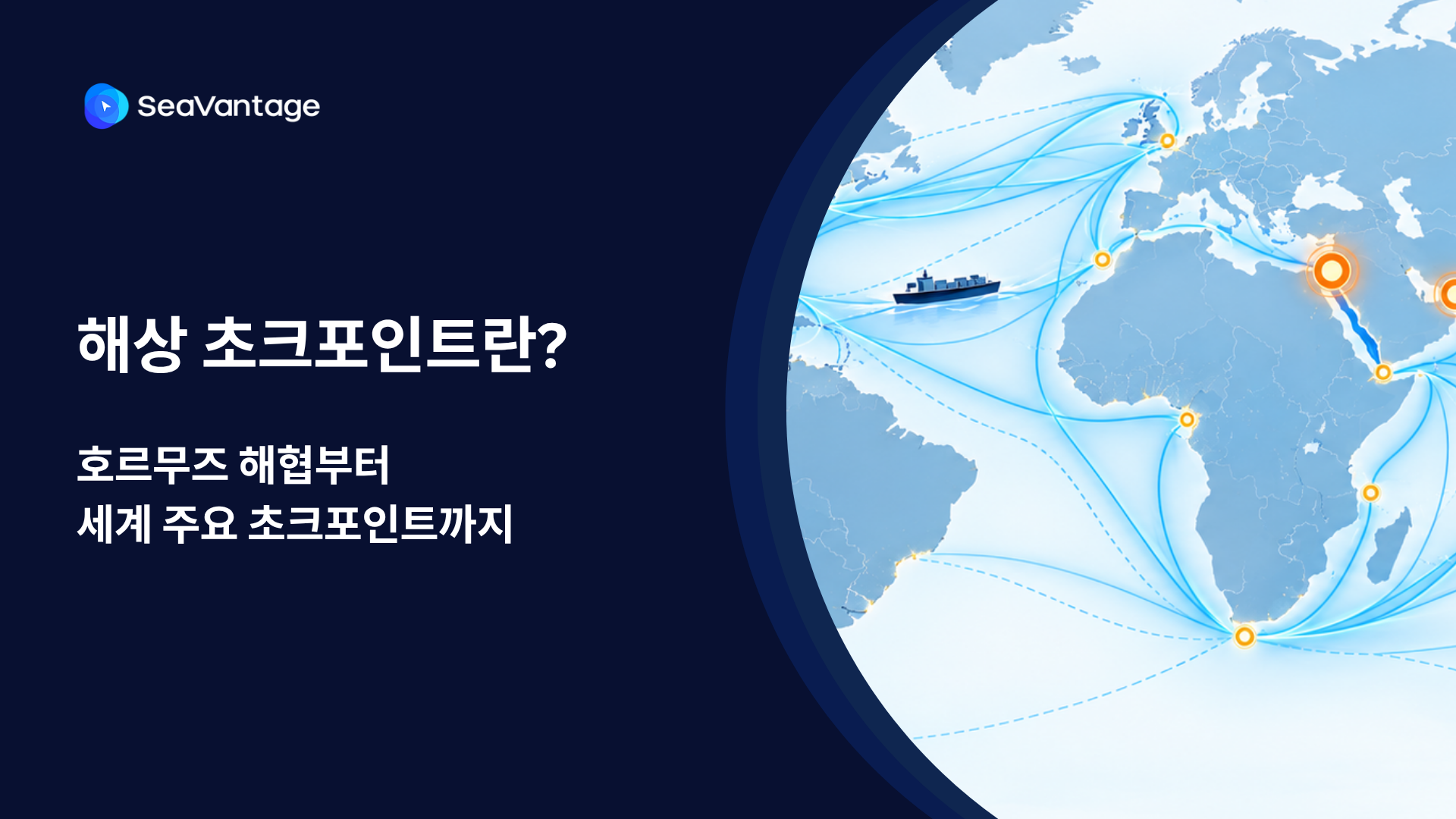

팬스타 아크로호가 지난 8월 22일 북극항로 시범운항을 시작했습니다. 국내 최초 컨테이너선 북극항로 운항 현황과 상업성 검증 항목, 화주·포워더가 주목할 사항을 정리합니다.
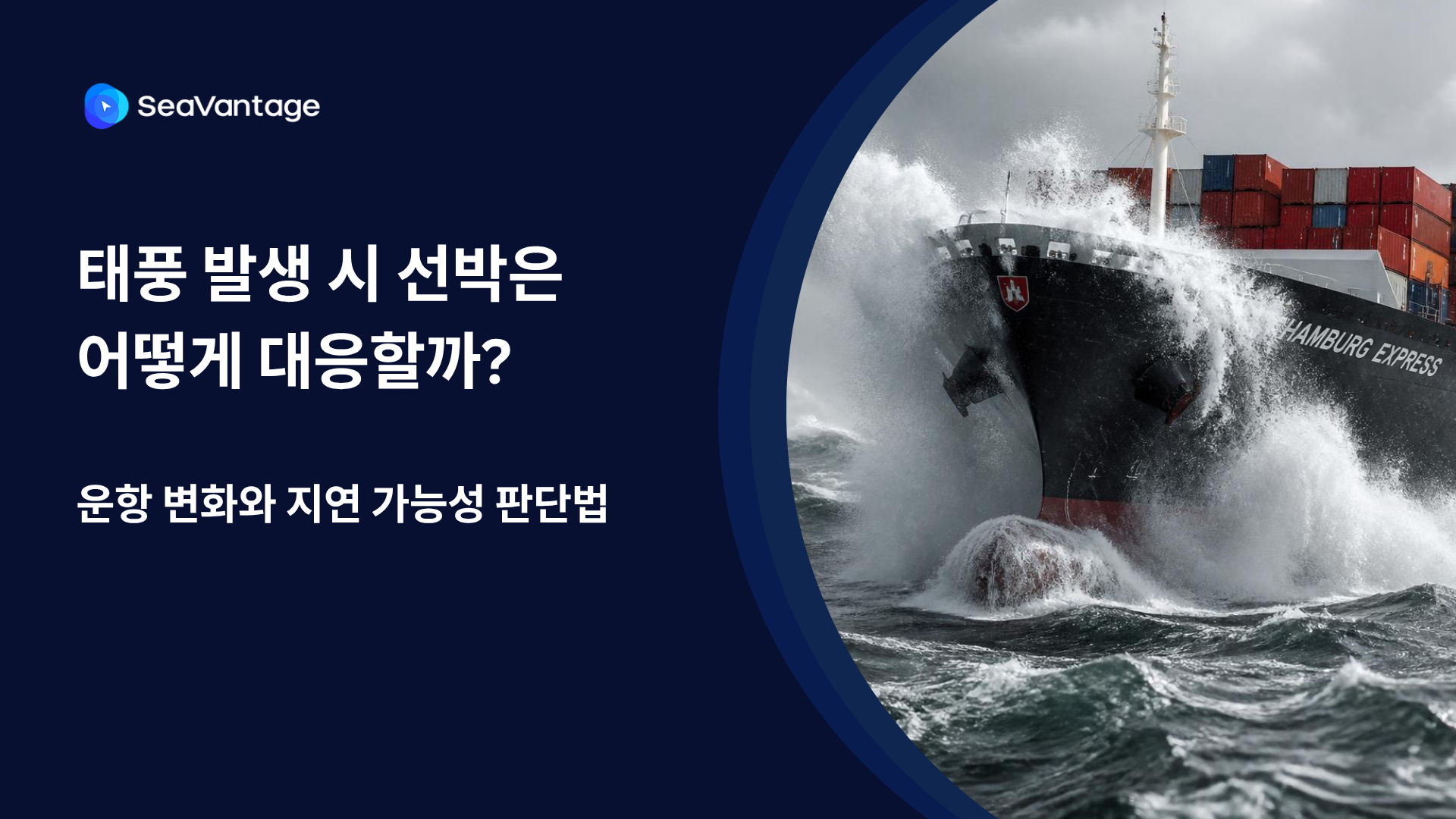
태풍 발생 시 선박은 우회·감속·대기 등 서로 다르게 대응합니다. AIS 항적과 ETA·PTA·PTB, 항만 혼잡 데이터를 활용해 해상운송 지연 가능성을 판단하는 방법을 알아보세요.
Need a SeaRates alternative? See how SeaVantage Cargo Insight supports container tracking, predicted arrivals, shipment milestones, and API access.
TPEB rates 2026, Indian Subcontinent ocean freight capacity, Strait of Hormuz shipping disruption, schedule reliability ocean carriers
What's driving ocean freight peak season 2026 — rates, surcharges, booking windows, and how to avoid missed inventory deadlines.

.png)


