


Emerging Trends to Watch in 2025 in the Maritime Industry

Emerging Trends to Watch in 2025 in the Maritime Industry
The maritime industry is the backbone of global trade, with over 80% of goods being transported by sea. Vessel tracking, an integral part of maritime logistics, has evolved significantly in recent years. As we move into 2025, advancements in technology and changing market dynamics are setting the stage for a transformative era in vessel tracking. This article explores the emerging trends shaping the future of vessel tracking and their implications for the maritime industry.
Advancements in Tracking Technologies
Vessel tracking technologies have come a long way, driven by the need for enhanced visibility and operational efficiency. The integration of Internet of Things (IoT) devices and Automatic Identification System (AIS) signals allows real-time tracking of ships and containers. These systems provide accurate data on a vessel's location, speed, and destination, ensuring seamless coordination across global supply chains.
Moreover, real-time data analytics is revolutionizing the way shipping companies monitor and optimize routes. By analyzing vast amounts of data, these tools can predict potential delays, identify alternative routes, and improve fuel efficiency. This technological integration minimizes operational disruptions and enhances decision-making, offering a competitive edge in a fast-paced industry.
Market Growth and Projections
The global market for vessel tracking tools is projected to experience robust growth in the coming years. Factors such as increased demand for real-time tracking solutions, advancements in tracking technologies, and rising maritime trade volumes are key drivers of this trend. According to industry reports, the market is expected to grow at a compound annual growth rate.
This growth reflects the increasing reliance on digital tools to enhance supply chain transparency and efficiency. Companies that invest in these technologies will be better positioned to navigate the complexities of global trade.
Impact of Geopolitical Factors
Geopolitical events have a profound impact on maritime logistics, and vessel tracking is no exception. Recent crises, such as the disruptions in the Red Sea corridor, have underscored the importance of robust tracking systems. Shipping companies are now leveraging advanced tracking tools to mitigate risks associated with such events.
By enabling real-time monitoring and providing actionable insights, these tools help companies respond quickly to disruptions. This agility is crucial in maintaining supply chain resilience amidst an increasingly volatile global landscape.
Sustainability Initiatives in Maritime Industry
As environmental concerns take center stage, the maritime industry is under pressure to adopt sustainable practices. Vessel tracking technologies are playing a pivotal role in this transition. By optimizing routes and reducing fuel consumption, these systems contribute to lower greenhouse gas emissions.
The adoption of green shipping corridors—designated sea routes with minimal environmental impact—is another noteworthy trend. Vessel tracking tools ensure compliance with environmental regulations and help shipping companies meet their sustainability goals.
Technological Adoption and Its Implications
The integration of artificial intelligence (AI), automation, and advanced data analytics is transforming the maritime supply chain. AI-powered algorithms analyze historical and real-time data to predict delays, optimize routes, and reduce costs. Automation, on the other hand, streamlines port operations, reducing turnaround times and enhancing efficiency.
These advancements are not just improving operational efficiency but also fostering collaboration among stakeholders. By providing a unified platform for data sharing, they enable better coordination between shipping companies, port authorities, and customs agencies.
Market Dynamics and Future Outlook
The maritime industry is poised for significant growth, with container volumes projected to increase annually. This growth underscores the importance of efficient vessel tracking systems in managing the complexities of global trade.
Looking ahead, the adoption of blockchain technology could further revolutionize vessel tracking. By ensuring secure and transparent data sharing, blockchain can enhance trust among stakeholders and streamline operations. Additionally, the development of autonomous ships—equipped with advanced tracking and navigation systems—promises to redefine the future of maritime logistics.
Conclusion
The future of vessel tracking is marked by technological innovation, market growth, and a commitment to sustainability. From AI-driven analytics to the adoption of greener practices, these trends are reshaping the maritime industry. Companies that embrace these changes will not only enhance their operational efficiency but also gain a competitive advantage in a rapidly evolving market.
As we move into 2025, the importance of vessel tracking cannot be overstated. It is not just a tool for monitoring ships but a strategic asset that drives efficiency, sustainability, and resilience in the maritime supply chain. The future is here, and it’s digital, connected, and sustainable.
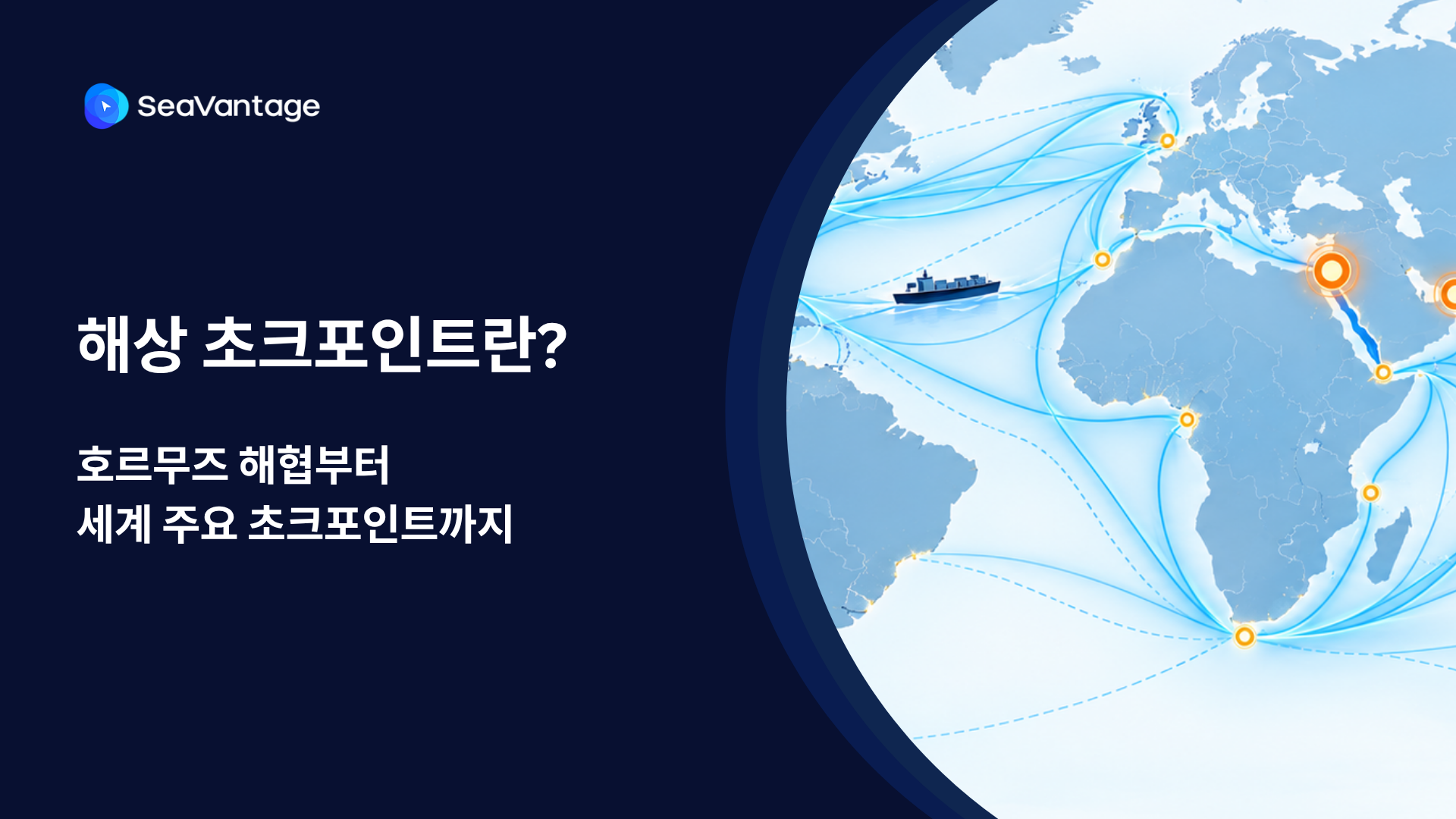

팬스타 아크로호가 지난 8월 22일 북극항로 시범운항을 시작했습니다. 국내 최초 컨테이너선 북극항로 운항 현황과 상업성 검증 항목, 화주·포워더가 주목할 사항을 정리합니다.
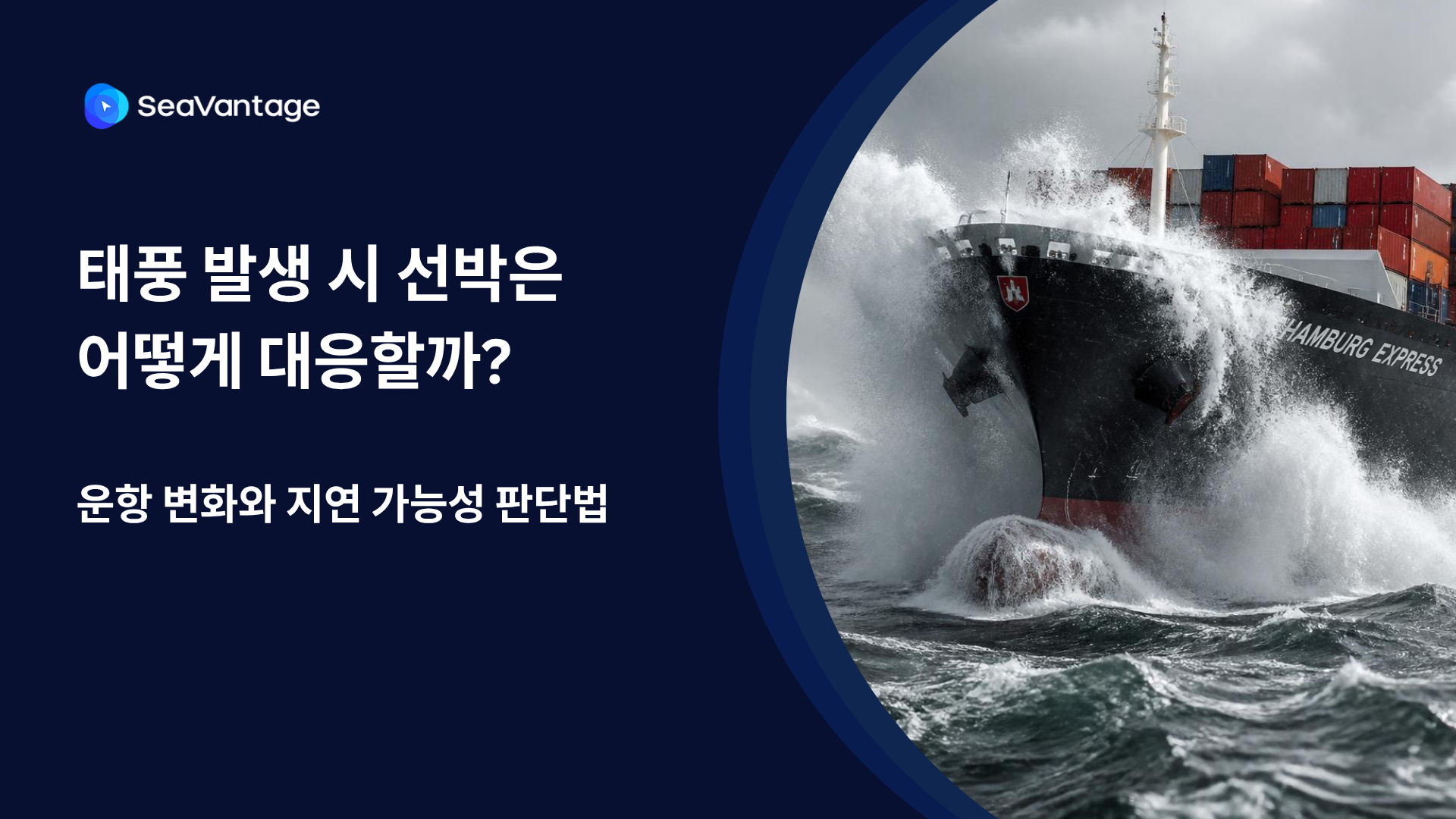
태풍 발생 시 선박은 우회·감속·대기 등 서로 다르게 대응합니다. AIS 항적과 ETA·PTA·PTB, 항만 혼잡 데이터를 활용해 해상운송 지연 가능성을 판단하는 방법을 알아보세요.
Need a SeaRates alternative? See how SeaVantage Cargo Insight supports container tracking, predicted arrivals, shipment milestones, and API access.
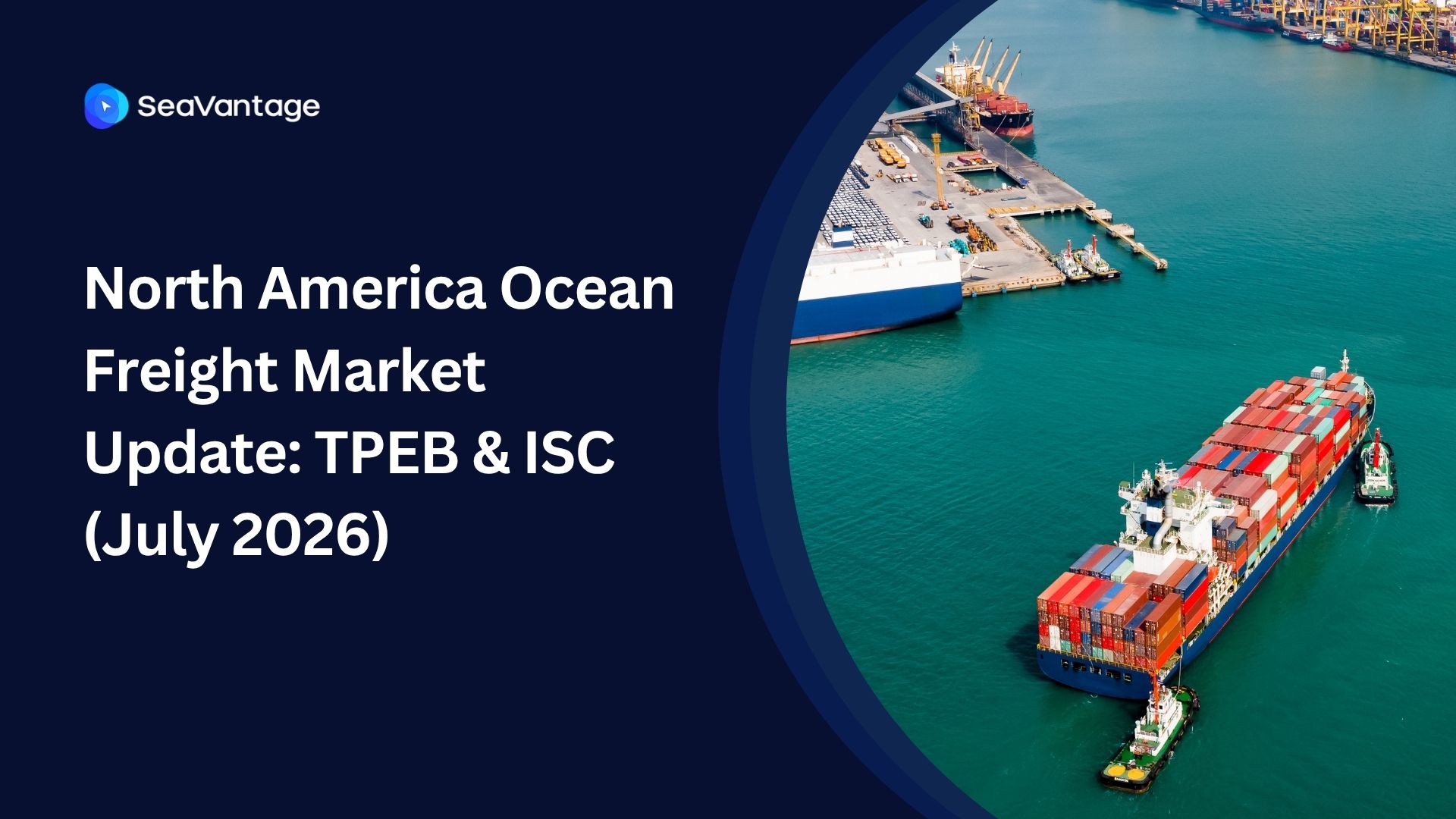
TPEB rates 2026, Indian Subcontinent ocean freight capacity, Strait of Hormuz shipping disruption, schedule reliability ocean carriers
What's driving ocean freight peak season 2026 — rates, surcharges, booking windows, and how to avoid missed inventory deadlines.

.png)


