


Top 10 Major Ports in China (2025): A Shipper's Guide
.jpg)
China's ports are not just locations on a map; they are the colossal gears that turn the engine of global trade. Handling nearly one-third of the world's container traffic, the efficiency and capacity of any major China port directly impact supply chains on every continent. As of 2025, seven of the world's ten busiest container ports are located in China, a testament to their critical role in the global economy.
Understanding these logistics powerhouses is essential for any business involved in international shipping. This guide provides a comprehensive overview of the top Chinese ports, their 2025 rankings, strategic importance, and the challenges they navigate, offering insights to help you manage your shipments more effectively.
The Top 10 Major Ports in China
The scale of China's maritime infrastructure is immense. While hundreds of ports line its coast, a select few handle the vast majority of international cargo. Here is a breakdown of the ten most significant ports shaping global trade in 2025.
1. Port of Shanghai
Location: Yangtze River DeltaAs the biggest port in China and the world for over a decade, the Port of Shanghai is in a class of its own. It surpassed 49 million TEUs in 2024 and continues to grow. Its strategic location makes it a critical gateway for the industrial heartland of China. The port is a global leader in automation, with its Yangshan Deep-Water Port featuring fully automated terminals that set the standard for operational efficiency.
2. Port of Ningbo-Zhoushan
Location: Zhejiang ProvinceWhile Shanghai leads in container volume, Ningbo-Zhoushan is the world's largest port by cargo tonnage, handling over 1.3 billion tons annually. Its deep-water berths and advanced infrastructure allow it to accommodate the largest container ships in the world. The port's seamless integration of sea and river transport makes it a vital hub for bulk cargo and container traffic.
3. Port of Shenzhen
Location: Guangdong Province, Pearl River DeltaAs the largest port in southern China, Shenzhen is a crucial gateway for the country's technology and manufacturing sectors. Comprising several terminals like Yantian and Shekou, it serves as a primary export hub for electronics and high-tech goods. Its proximity to Hong Kong makes it a key component of the Greater Bay Area's powerful logistics network.
4. Port of Guangzhou
Location: Guangdong Province, Pearl River DeltaSituated at the heart of the most populous region in Southern China, the Port of Guangzhou is a comprehensive hub with deep roots in maritime history. It boasts extensive connections to inland provinces via the Pearl River and is a critical node for trade with Southeast Asia, Africa, and the Middle East.
5. Port of Qingdao
Location: Shandong ProvinceA major port in Northern China, Qingdao is known for its high efficiency and advanced smart port technology. It is a key trading partner for Japan and South Korea and plays a vital role in handling iron ore, crude oil, and containers. Qingdao's fully automated terminal is one of the most advanced in the world, significantly reducing container dwell time.
6. Port of Tianjin
Location: Serving the Beijing-Tianjin-Hebei regionAs the maritime gateway to China's capital, Beijing, the Port of Tianjin is the largest port in Northern China. It has extensive trade connections with over 180 countries and is a crucial link in the Belt and Road Initiative. The port continues to invest heavily in smart logistics and green initiatives to enhance its capacity and sustainability.
7. Port of Hong Kong
Location: South China SeaThough it has slipped in global rankings, the Port of Hong Kong remains one of the world's most important transshipment hubs. Its free port status, efficient customs, and extensive international connections make it a preferred choice for complex international shipments requiring high efficiency and reliability.
8. Port of Xiamen
Location: Fujian ProvinceStrategically located on the southeast coast facing Taiwan, the Port of Xiamen is a primary hub for cross-strait trade. It is one of the mainland's first ports to open to international trade and continues to be a key player in the Maritime Silk Road.
9. Port of Dalian
Location: Liaoning ProvinceAs the largest multi-purpose port in Northeast China, Dalian serves as a crucial gateway for the country's northeastern industrial belt. It is a major hub for oil, minerals, and containerized cargo, with strong trade links to Northeast Asia and Europe.
10. Port of Rizhao
Location: Shandong ProvinceEmerging as a major player, the Port of Rizhao is one of the fastest-growing ports in China, particularly for bulk commodities like iron ore and coal. Its expanding container handling capabilities are making it an increasingly important node in the national port network.
.jpg)
Key Challenges & The Need for Visibility
Navigating the complexities of any major China port presents several challenges in 2025:
- Potential for Congestion: The sheer volume of cargo means that even minor disruptions can lead to significant backlogs and delays.
- Geopolitical Factors: Shifting trade policies and international relations can impact shipping routes and customs procedures.
- Schedule Reliability: Vessel bunching and last-minute schedule changes can leave cargo stranded, making accurate arrival forecasting difficult.
These challenges underscore the critical need for real-time supply chain visibility. Relying on carrier schedules alone is no longer sufficient. To manage shipments effectively, companies need access to live, independent data.
Integrating a Vessel Tracking API provides the granular, real-time location data needed to monitor vessel movements, while leveraging predictive analytics can help forecast ETAs with far greater accuracy. This allows you to proactively manage disruptions rather than reacting to them.
Conclusion: Turning Complexity into a Competitive Edge
The major ports in China will continue to dominate global maritime trade for the foreseeable future. Their scale and efficiency are unmatched, but their complexity demands a sophisticated approach to logistics management.
By understanding the unique roles of these top-tier ports and equipping your team with powerful visibility tools, you can navigate the world's busiest shipping hubs with confidence. In an era defined by uncertainty, real-time data is the key to transforming the challenge of shipping through China into a durable competitive advantage.
Gain the clarity you need to master your shipments through Chinese ports. Discover SeaVantage's advanced ocean visibility solutions today.
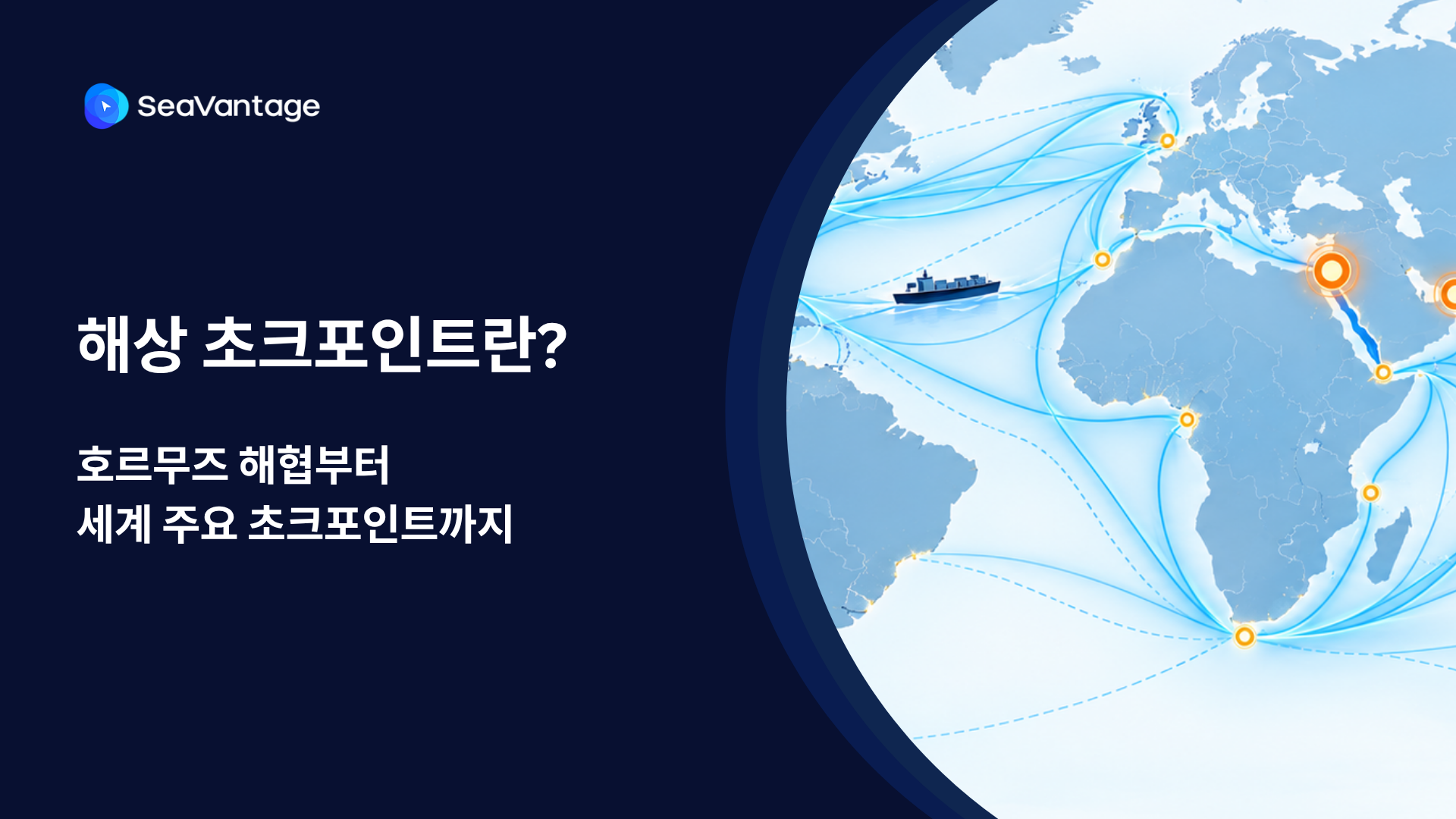

팬스타 아크로호가 지난 8월 22일 북극항로 시범운항을 시작했습니다. 국내 최초 컨테이너선 북극항로 운항 현황과 상업성 검증 항목, 화주·포워더가 주목할 사항을 정리합니다.
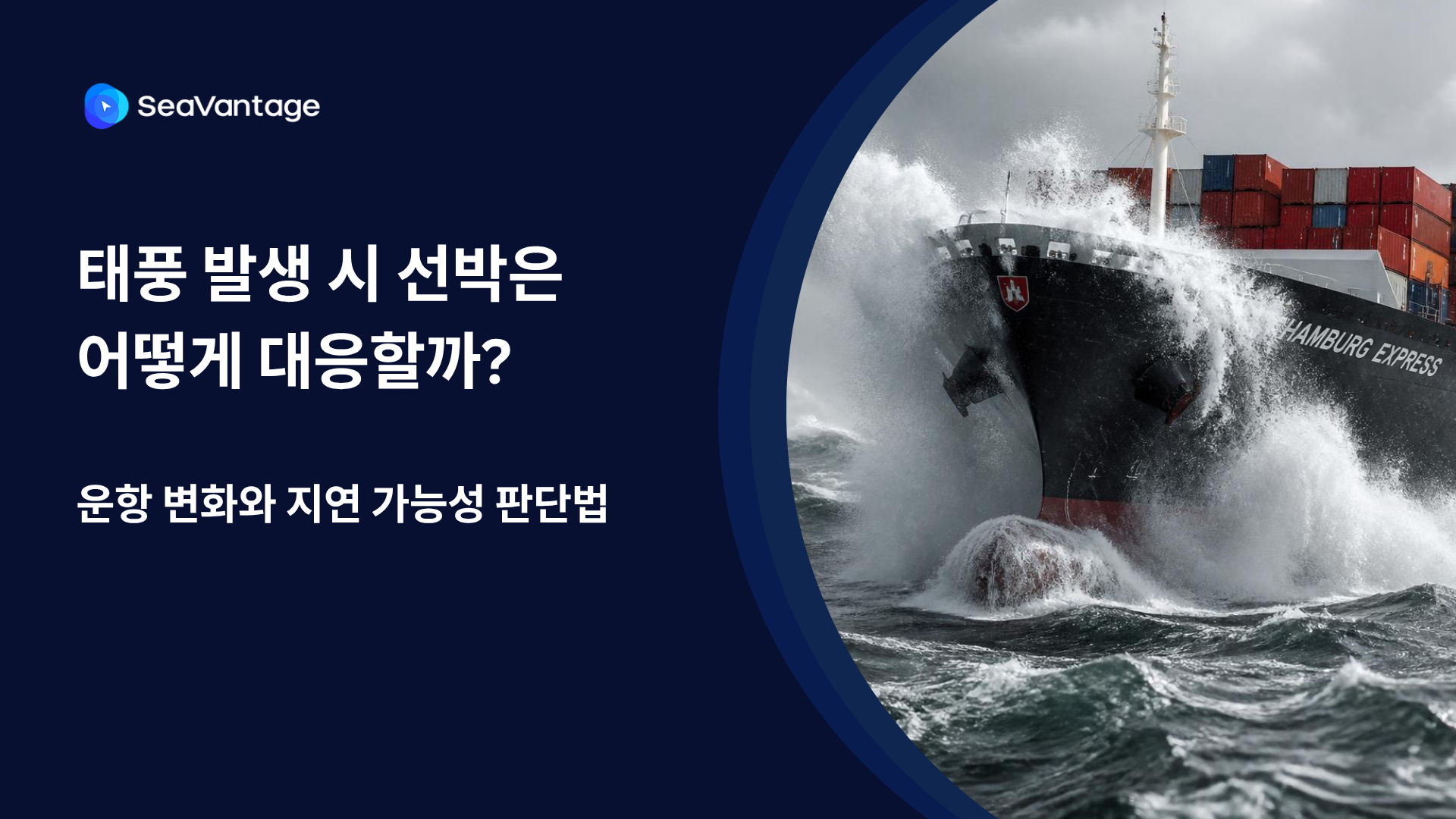
태풍 발생 시 선박은 우회·감속·대기 등 서로 다르게 대응합니다. AIS 항적과 ETA·PTA·PTB, 항만 혼잡 데이터를 활용해 해상운송 지연 가능성을 판단하는 방법을 알아보세요.
Need a SeaRates alternative? See how SeaVantage Cargo Insight supports container tracking, predicted arrivals, shipment milestones, and API access.
TPEB rates 2026, Indian Subcontinent ocean freight capacity, Strait of Hormuz shipping disruption, schedule reliability ocean carriers
What's driving ocean freight peak season 2026 — rates, surcharges, booking windows, and how to avoid missed inventory deadlines.

.png)


