


Supply Chain Disruptions: Understanding the Global Impact of Shipping Delays and Strategic Solutions

Understanding the Global Impact of Shipping Delays and Strategic Solutions
If you've ever checked a container status update and seen "delayed" in big, bold letters, you know the frustration. Shipping delays aren't just an inconvenience—they can throw entire supply chains into chaos, affecting businesses, consumers, and even the price of everyday goods.
But how exactly do delays impact throughout the global economy? What causes them, and what can businesses (and even you) do to stay ahead of the game? Let's dive into the world of shipping delays and explore their massive impact on global supply chains.
The Domino Effect: How One Delay Causes More Delays
Imagine this: A cargo ship filled with thousands of containers is stuck outside a congested port for two extra weeks. That might sound like a minor hiccup, but in reality, it sets off a chain reaction of problems worldwide.
- Factories Run Out of Materials – If essential raw materials are on that delayed ship, factories can't produce goods on time.
- Warehouses Overflow (Or Run Empty) – A backlog of shipments means some warehouses are jam-packed while others wait for stock to arrive.
- Retailers Can't Stock Shelves – Stores experience product shortages, leading to unhappy customers and lost sales.
- Consumers Pay Higher Prices – When supply is low but demand stays high, prices go up, making everything from electronics to groceries more expensive.
One delayed container may not seem like a big deal, but multiply that by thousands of shipments every day, and suddenly, entire industries feel the impact.
Container Status Confusion: The Mystery of Missing Shipments
If you've ever tracked a shipment and seen vague updates like "pending clearance" or "awaiting transshipment", you're not alone. One of the biggest problems in global shipping is lack of visibility—it's often hard to pinpoint exactly where a delayed container is.
Here's why tracking can get tricky:
- Port Congestion – When ports are overloaded, containers sit in stacks waiting for processing, sometimes for weeks.
- Customs Delays – If one piece of paperwork is missing, customs won't release a shipment, even if everything else is in order.
- Transshipment Confusion – Containers that switch ships along the journey can get stuck in limbo due to missed connections or schedule changes.
- Carrier Communication Gaps – Not all shipping carriers update their container status in real time, leaving businesses in the dark.
For companies that depend on just-in-time inventory systems, a missing shipment isn't just frustrating—it can shut down entire operations if crucial parts don't arrive on schedule.
The Impact on Businesses: Lost Sales, Higher Costs & Supply Chain Chaos
For businesses, shipping delays mean more than just waiting a little longer for inventory. They are liable to induce major financial losses, supply chain disruptions, and even damage a company's reputation.
- Stockouts & Empty Shelves – If products don't arrive on time, businesses can't sell them, leading to lost revenue.
- Higher Shipping Costs – Companies frequently pay additionally for expedited shipping to compensate for delays, which reduce profits.
- Damaged Customer Trust – Late shipments mean missed deadlines, unhappy customers, and possible loss of future business.
- Higher Warehousing Fees – When shipments get delayed, companies often have to store extra inventory, leading to unexpected storage costs.
For industries like automotive, electronics, and retail, even a one-week shipping delay can mean millions of dollars in lost sales. That's why keeping a close eye on container status updates is crucial for businesses to stay ahead of potential delays.
How Consumers Are Impacted: Shortages & Higher Prices
Think shipping delays only affect businesses? Think again! If you've noticed that certain products are out of stock, take longer to arrive, or cost more, you're experiencing the ripple effect of supply chain disruptions.
- Longer Wait Times for Online Orders – Ever wonder why your package is taking longer than usual? It might be stuck on a delayed container somewhere in the world.
- Higher Prices on Everyday Goods – When supply is low and demand is high, businesses raise prices—this is why everything from furniture to electronics has become more expensive in recent years.
- Limited Choices in Stores – Have you ever gone shopping and noticed that your favorite brand is suddenly missing from shelves? Chances are, their shipments are delayed.
Supply chain delays don't just affect companies—they affect your wallet, your shopping experience, and even how long you have to wait for a new phone or holiday gift.
How SeaVantage Helps Businesses Stay Ahead of Congestion
SeaVantage’s Port Insight solution gives companies real-time visibility into port congestion and vessel movements, helping them make smarter logistics decisions. Key features include:
- Live Port Traffic Monitoring: Track inbound and outbound vessels at major global ports.
- Congestion Trend Analysis: Get insights into wait times and predict delays using historical data.
- Accurate ETA Forecasts: Plan better with AI-powered estimated time of arrival predictions.

Can We Predict & Prevent Shipping Delays?
The good news? Technology is making it easier to predict and manage delays before they cause major disruptions. AI-powered tracking, real-time data sharing, and better logistics planning are helping companies navigate supply chain challenges.
Here's what's improving:
- AI-Driven Shipping Forecasts – Companies can now use AI to predict delays before they happen, allowing them to adjust shipping routes and schedules.
- Smart Container Tracking – IoT-enabled containers can send real-time updates on their location, helping businesses get better visibility on shipments.
- Blockchain for Secure Supply Chains – Blockchain is being used to digitally track shipments from start to finish, reducing the risk of fraud and missing cargo.
- Alternative Manufacturing Strategies – Businesses are diversifying their supply chains, using multiple suppliers and warehouses to avoid single points of failure.
While delays aren't going away overnight, smarter logistics and real-time container status tracking are helping reduce uncertainty and improve global supply chain reliability.
Final Thoughts: Shipping Delays Are Everyone's Problem (But Solutions Are on the Way!)
A delayed shipment isn't just a minor inconvenience—it can disrupt factories, businesses, and even your weekly shopping trip. When one container status update says "delayed," it can have a massive ripple effect across the entire economy.
But the future isn't all doom and gloom! With smarter tracking, AI-powered logistics, and better supply chain planning, businesses and consumers can stay ahead of delays before they cause major disruptions.
Next time you check a tracking update and see a delay, just remember—you're witnessing the complicated dance of global trade in action. And with the right technology and planning, smoother supply chains are on the horizon!
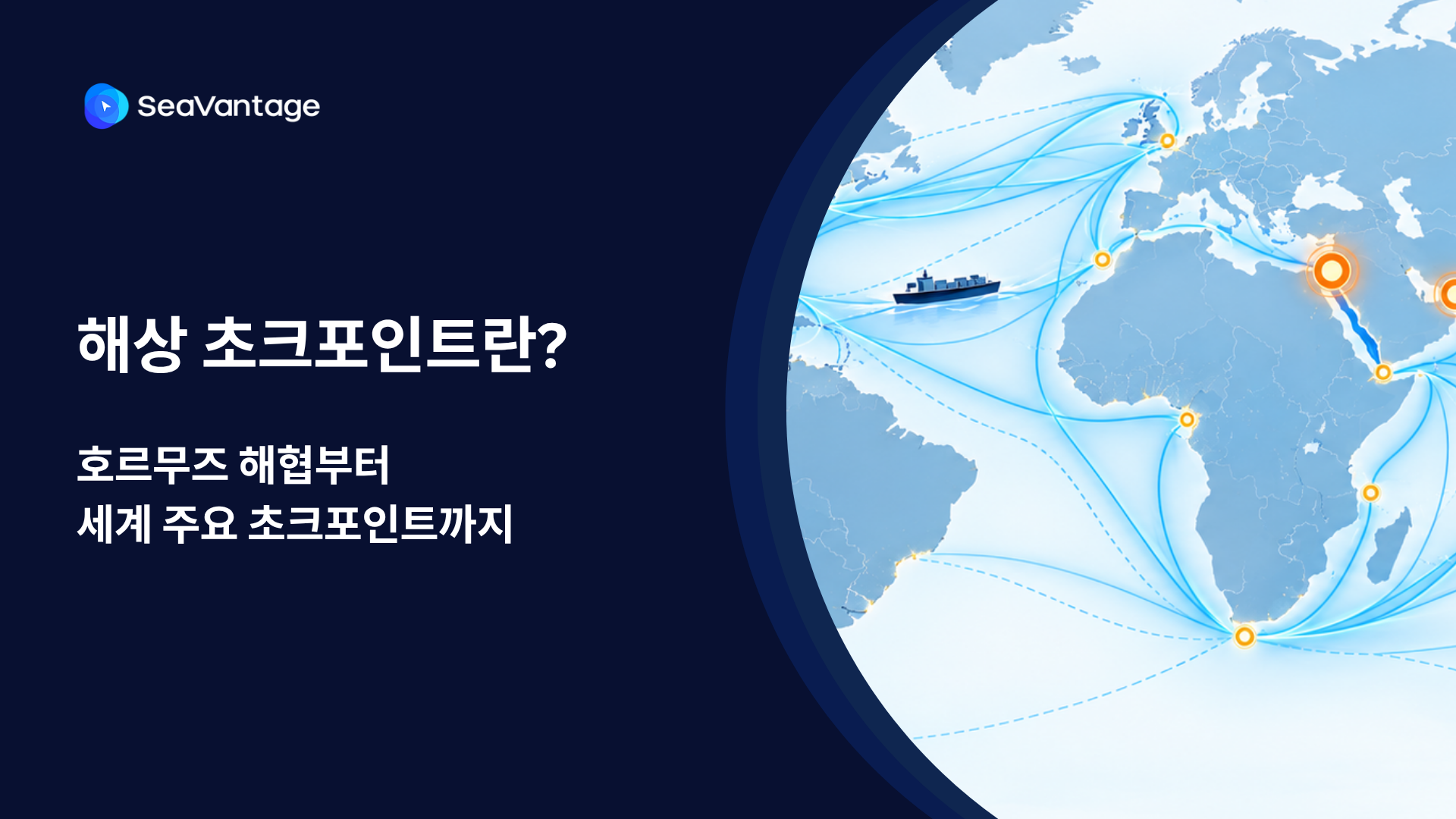

팬스타 아크로호가 지난 8월 22일 북극항로 시범운항을 시작했습니다. 국내 최초 컨테이너선 북극항로 운항 현황과 상업성 검증 항목, 화주·포워더가 주목할 사항을 정리합니다.
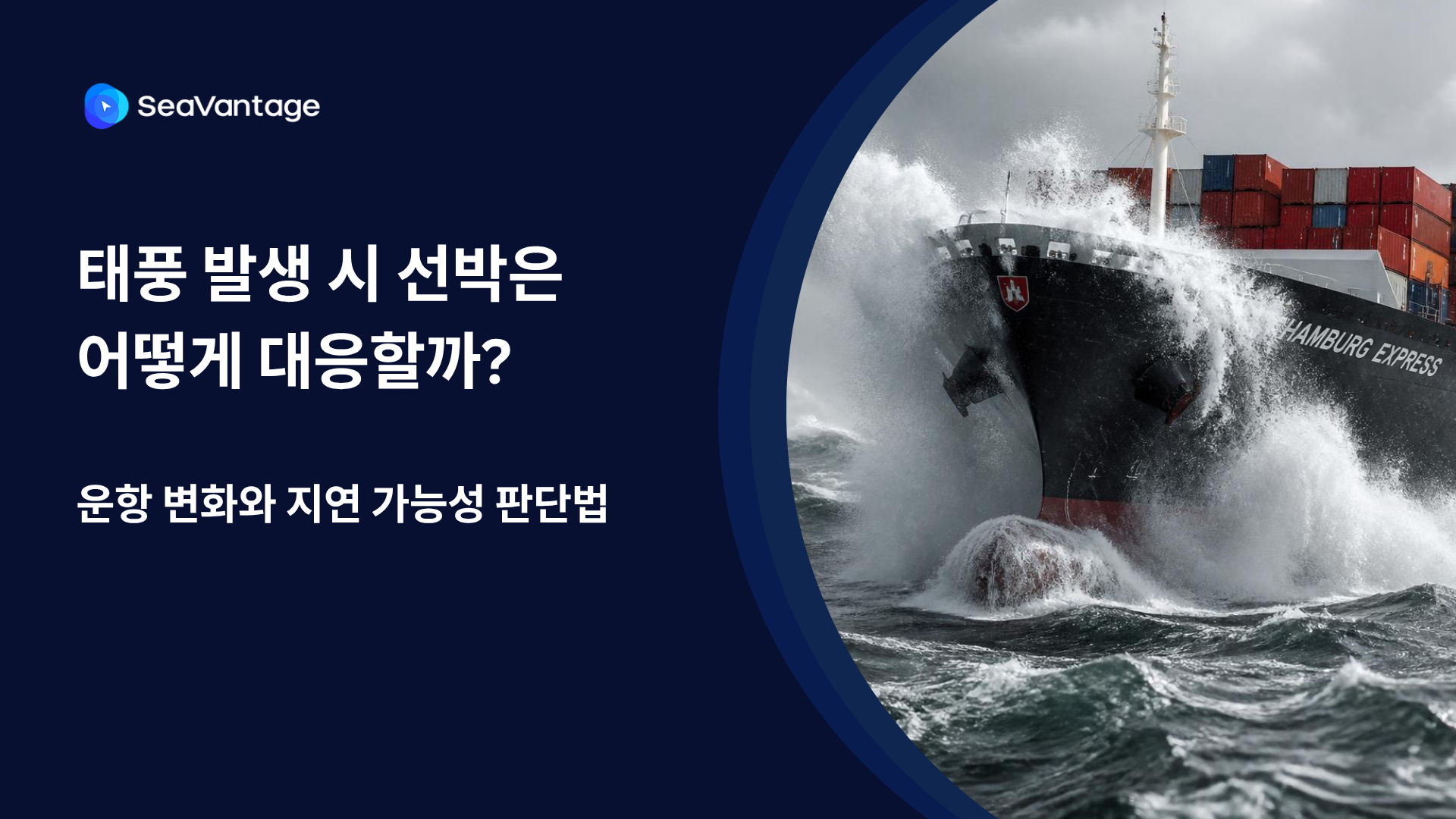
태풍 발생 시 선박은 우회·감속·대기 등 서로 다르게 대응합니다. AIS 항적과 ETA·PTA·PTB, 항만 혼잡 데이터를 활용해 해상운송 지연 가능성을 판단하는 방법을 알아보세요.
Need a SeaRates alternative? See how SeaVantage Cargo Insight supports container tracking, predicted arrivals, shipment milestones, and API access.
TPEB rates 2026, Indian Subcontinent ocean freight capacity, Strait of Hormuz shipping disruption, schedule reliability ocean carriers
What's driving ocean freight peak season 2026 — rates, surcharges, booking windows, and how to avoid missed inventory deadlines.

.png)


