


Per Diem Container Charges Explained: What Every Shipper Should Know

Per diem container charges are daily fees applied by shipping lines for the use of their containers beyond the agreed free time period. These charges typically range from $75 to $300 per container per day, depending on container type and location.
Imagine this: A small business owner imports textiles from India to New York. Due to unforeseen port congestion, the containers are delayed, and the owner is hit with unexpected per diem charges that significantly increase shipping costs. This scenario is not uncommon and highlights the importance of understanding these charges.
Understanding Per Diem Container Charges
Per diem charges are daily fees imposed by shipping lines or carriers for the use of their containers, trailers, or chassis beyond a specified free time period. These charges accumulate until the equipment is returned to the designated terminal or port.
The calculation of per diem charges varies by carrier and port but generally follows a fixed rate per day. Here are some key points:
- Rate Variability: Rates can range from $75 to $300 per container per day, depending on the carrier and port.
- Free Time Period: Shippers typically have a few days of free container usage before charges apply.
- Incremental Charges: Charges can increase as the days pass. For example, after the free time period, charges might start at $100 per day and increase to $250 or more after a certain number of days.
Understanding these charges is crucial for shippers to manage their costs and maintain operational efficiency. By knowing how these charges are calculated, why they are implemented, and how to avoid them, shippers can better navigate the complexities of international shipping.
How Per Diem Impacts Container Tracking and Logistics
- Role of Container Tracking
Container tracking plays a crucial role in managing per diem container charges. By providing real-time visibility into the location and status of containers, shippers can make informed decisions to avoid unnecessary fees. With effective tracking, you can monitor the movement of containers and ensure they are returned within the free time period, thus minimizing per diem charges on containers.
Advanced container tracking systems offer features like GPS tracking, automated alerts, and integration with logistics platforms. These tools help shippers stay updated on potential delays and take proactive measures to mitigate them. For instance, if a container is stuck at a port due to congestion, real-time tracking can alert the shipper to expedite the process or reroute the shipment.
- Logistical Challenges
Logistical challenges can significantly impact per diem charges in shipping. Delays caused by port congestion, customs clearance, or transportation issues can lead to extended container usage, resulting in higher fees. Shippers must navigate these challenges effectively to avoid incurring additional costs.
For example, a shipper importing goods from Asia to the United States might face unexpected delays due to port congestion in Los Angeles. Without proper planning and tracking, these delays can lead to substantial per diem charges. By leveraging container tracking and logistics management tools, shippers can anticipate such challenges and implement strategies to minimize their impact.
Common Scenarios Leading to Per Diem Charges
Port Congestion
Port congestion is a major headache for shippers, often leading to unexpected per diem charges. Imagine a shipper importing electronics from Shanghai to Los Angeles. The ship arrives, but due to a backlog at the port, the containers sit idle for days. This delay can quickly rack up per diem charges as the containers are not returned within the free time period. Port congestion is often caused by factors like labor strikes, increased cargo volume, or inefficient port operations.
Customs Delays
Customs delays are another common scenario that can lead to per diem charges on containers. When goods are held up for inspection or due to paperwork issues, containers remain in use longer than planned. For instance, a shipment of textiles from India might face extended scrutiny due to new import regulations, causing delays. These hold-ups can result in additional costs as the free time expires and per diem charges kick in.
Warehouse Capacity Issues
Warehouse capacity issues can also contribute to per diem charges in shipping. If a warehouse is full, containers may not be unloaded promptly, leading to extended use of the shipping line's equipment. Consider a scenario where a retailer's warehouse is overwhelmed during the holiday season, causing delays in unloading containers. This situation can lead to significant per diem charges as the containers are not returned on time.
Transportation Delays
Transportation delays, whether due to truck shortages or traffic jams, can also result in per diem container charges. For example, a shipment of auto parts from Germany might be delayed due to a shortage of available trucks to transport the containers from the port to the final destination. These delays can extend the time containers are in use, leading to additional charges.
Weather-Related Incidents
Weather-related incidents are unpredictable but can have a significant impact on shipping schedules, leading to per diem charges. Hurricanes, snowstorms, or heavy rains can disrupt port operations and transportation routes. For instance, a shipment of agricultural products from Brazil might be delayed due to a hurricane affecting the port of entry in the United States. Such weather disruptions can cause containers to be held longer than expected, incurring extra costs.
Calculating Per Diem Charges
1. Identify the free time period provided by the carrier. This is the number of days you can use the container without incurring charges.
2. Determine the daily rate for the container type. Rates can vary, so check with your carrier.
3. Calculate the number of days the container is used beyond the free time.
4. Multiply the daily rate by the number of extra days to find the total per diem charges.
Per Diem Charges = Daily Rate × Number of Extra Days
Let's say you're shipping goods from Shanghai to Los Angeles. The carrier offers a free time of 5 days. After that, the daily rate is $150 per container. If you return the container 3 days late, here's how you'd calculate the charges:
- Daily Rate: $150
- Extra Days: 3
- Total Per Diem Charges: $150 × 3 = $450
By understanding these calculations, shippers can better manage their logistics and avoid unexpected costs. Remember, effective container tracking can help you stay on top of these timelines and minimize per diem charges.
Best Practices to Avoid Per Diem Charges
Avoiding per diem charges is crucial for shippers to keep costs down and ensure smooth operations. Here are some best practices to help you steer clear of these fees.
1. Implement Effective Container Tracking Systems
A robust container tracking system is essential. It provides real-time updates on the location and status of your containers. This helps you plan better and avoid unnecessary delays. With accurate container tracking, you can anticipate potential issues and take corrective actions promptly.
2. Plan for Buffer Time
Always plan for some buffer time in your shipping schedule. Delays can happen due to various reasons like port congestion or customs checks. By allowing extra time, you can avoid the last-minute rush and the risk of incurring per diem charges.
3. Understand Free Time Policies
Each carrier has its own free time policy, which is the period you can use the container without charges. Familiarize yourself with these policies to make sure you return containers within the free time. This knowledge can save you from unexpected fees.
4. Maintain Good Relationships with Carriers
Building strong relationships with carriers can be beneficial. Good rapport can sometimes lead to more flexible terms or leniency in case of unavoidable delays. Regular communication and mutual respect go a long way in fostering these relationships.
5. Use Technology Solutions
Leverage technology to streamline your logistics operations. Tools like automated alerts, documentation management systems, and planning software can help you stay on top of your shipping processes. These solutions can minimize human error and ensure timely container returns.
Conclusion
Understanding per diem container charges is crucial for shippers to manage costs effectively. These charges are daily fees for using containers beyond the free time period, typically ranging from $75 to $300 per day. They can significantly impact shipping expenses if not managed properly. Key factors contributing to these charges include port congestion, customs delays, and transportation issues. Implementing effective container tracking systems and planning for buffer time are essential strategies to avoid these costs.


팬스타 아크로호가 지난 8월 22일 북극항로 시범운항을 시작했습니다. 국내 최초 컨테이너선 북극항로 운항 현황과 상업성 검증 항목, 화주·포워더가 주목할 사항을 정리합니다.
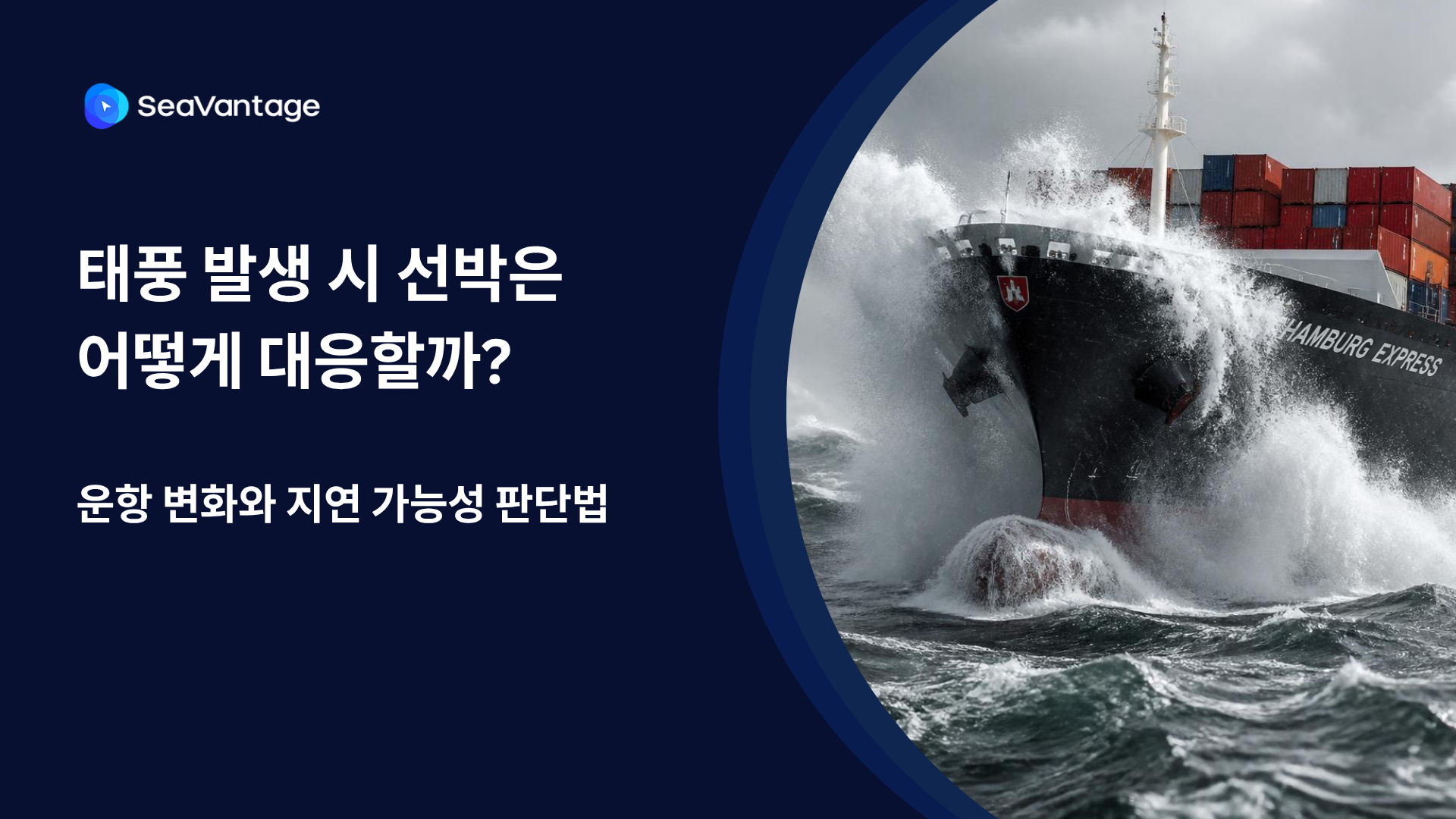
태풍 발생 시 선박은 우회·감속·대기 등 서로 다르게 대응합니다. AIS 항적과 ETA·PTA·PTB, 항만 혼잡 데이터를 활용해 해상운송 지연 가능성을 판단하는 방법을 알아보세요.
Need a SeaRates alternative? See how SeaVantage Cargo Insight supports container tracking, predicted arrivals, shipment milestones, and API access.
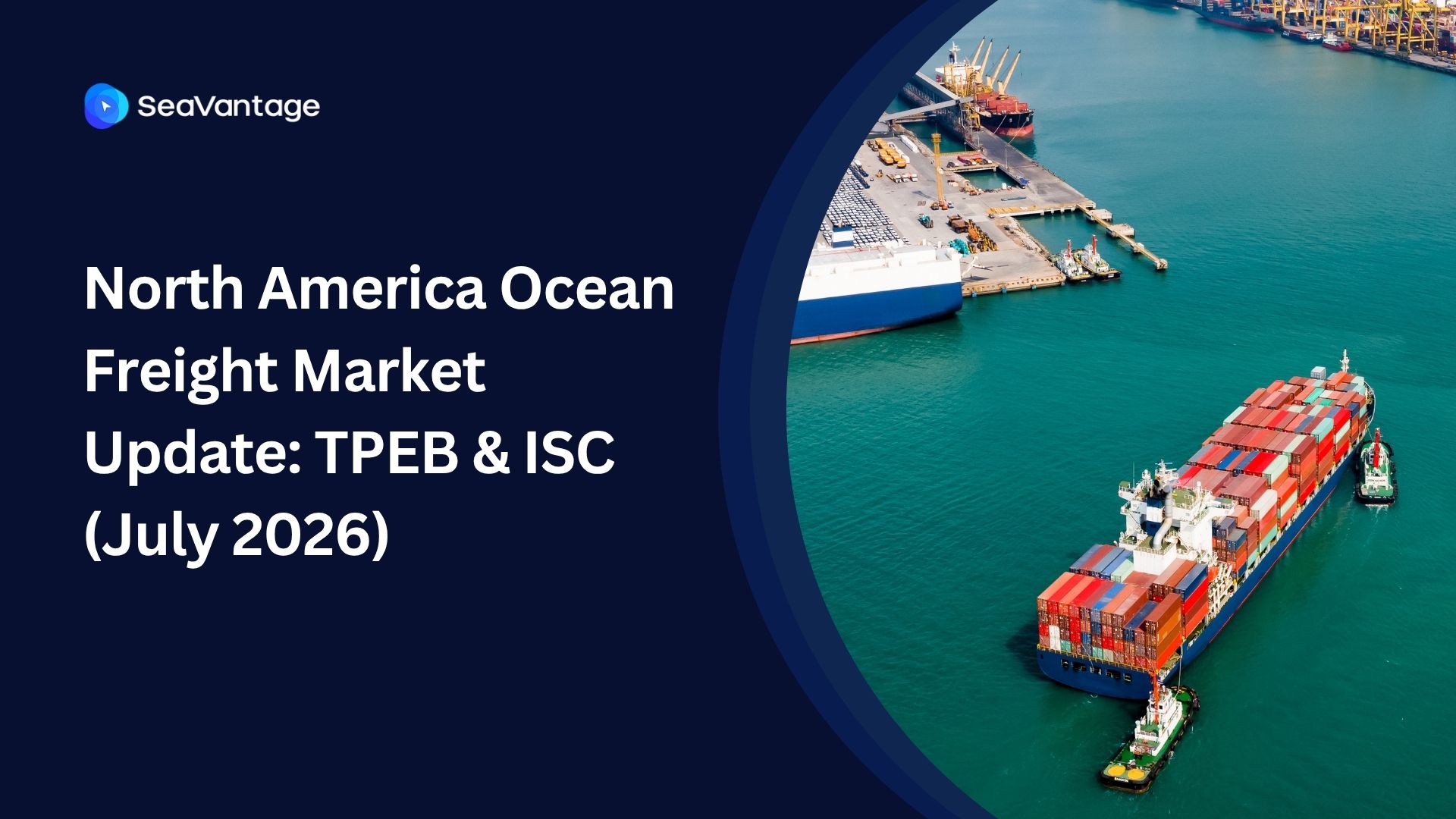
TPEB rates 2026, Indian Subcontinent ocean freight capacity, Strait of Hormuz shipping disruption, schedule reliability ocean carriers
What's driving ocean freight peak season 2026 — rates, surcharges, booking windows, and how to avoid missed inventory deadlines.

.png)


