


How Trump's Tariff Plan Might Impact Supply Chains

Global supply chains are on a knife's edge as President-elect Donald Trump proposes hefty hikes in tariffs. He has also called for a 25% tariff on imports from Canada and Mexico and 10% on goods arriving from China, which could disrupt the logistics operation and supply chains of goods from around the world.
Any possible rise in tariffs will lead companies to review where they source materials, redesign the logistics network, and adapt to the new economic realities. Such changes may impact cost structures in how firms store inventories, deal with suppliers, and distribute their goods.
What These Tariffs Mean
Now, let's break down the possible impact simply. The National Retail Federation estimates these tariffs could cost American shoppers a whopping $78 billion in spending power. These numbers represent a serious economic problem for businesses and consumers alike in America.
These tariffs will touch nearly every aspect of the business world. For small businesses, it's probably hard to absorb this increase in costs. Large companies would be obliged to rethink their global sourcing strategy. Ordinary, everyday products could become expensive for the common consumer. International trade relations could become entangled in messy, unwarranted complications and tensions.
Impact on Supply Chains
Trump's tariff plan, if enacted, will have far-reaching consequences for American supply chains, affecting various aspects such as:
Freight and Logistics Costs
These tariffs will directly influence the prices of the imported commodities and add to the freight and logistics costs of the companies. The tariffs imposed on Canadian and Mexican imports are pegged at 25%, with crucial commodities like oil and car parts likely to drive up transportation costs.
Port Congestion
Also, increased import cost may dampen the import, correspondingly reducing container volumes at the ports. During the initial period after the imposition of tariffs, however, the imports could surge in as companies stock up the goods in advance of the imposition of tariffs in preparation, thus resulting in congestion at the ports.
Import Anxiety and Uncertainty
Ambiguity in trade policies due to the new administration would create anxiety and uncertainty within the minds of importers. Business firms could be more cautious in committing to long-term contracts and investments in light of a possible rise in tariffs or policy modifications in the near future.
Tit-for-tat Tariffs
It's a tit-for-tat situation that certainly will see Canada and Mexico retaliate with tariffs on U.S. exports, similar to what happened in the first year of the Trump presidency. In this way, a limited trade war might erupt, crippling businesses on both sides of the border. Already, Canada began considering counter tariffs that may strike at politically important products.
USMCA Tensions
These are tariffs completely go against the spirit of the USMCA. Once imposed, such tariffs will undermine the relationship between the three trading partners and probably put in jeopardy the future of the agreement.

Learning from the Past: Trump's Previous Trade Policies
During his 2017-2021 presidency, Trump's trade approach gave us a preview of what might be coming. Companies like Williams-Sonoma and Ralph Lauren had to completely rethink their business strategies. They learned a crucial lesson: flexibility is survival.
Williams-Sonoma focused on diversifying its supplier base to minimize reliance on China. By shifting some of its sourcing to other countries and emphasizing domestic production, the company aimed to reduce the impact of tariff hikes. CEO Laura Alber emphasized the need for flexibility in sourcing strategies, highlighting its critical role in mitigating trade risks.
Ralph Lauren, meanwhile, took a strategic approach to reduce its dependence on Chinese manufacturing. Over several years, the company expanded its supply chain to include production facilities in countries like Vietnam, Italy, and Cambodia, making it less vulnerable to tariff increases. CEO Patrice Louvet noted that their diversified supply chain has made them more resilient in navigating trade policy changes
Real-World Lessons
Businesses discovered that trade wars are complex and unpredictable. Many had to find new suppliers quickly.
Production methods needed rapid changes. Companies learned to move faster and be more adaptable than ever before. Those who couldn't adjust fell behind, while innovative businesses found new opportunities.
The Survival Guide: Protecting Your Business
Diversification of Risk
Your supply chain can be considered an investment portfolio of sorts. You would not put all your money into the stock of one company; similarly you do not source your supplies from just one country. Clever companies are now taking a new look at global sourcing.
The best of them then seek newer markets beyond those they had initially depended on. They make contact with a number of suppliers in more than one country. Essential backup plans have increasingly been a common phenomenon. Businesses need this sort of approach when situations remain unsure.
Embracing Technology
Information has become the biggest asset in these unsure economic times. Supply chain visibility software tools one such vital enabler in these shifting times. Using AI-driven analytics, a company can now predict changes in market conditions much more accurately and react with efficiency to be prepared for any disruption. By offering real-time tracking of inventory, decisions can be much more accurate. Flexible procurement systems enable quick adjustments to supply chain challenges.
Expert Warnings and Insights
Trade policy analyst Daniel Ujifusa warns that adaptability is key for businesses to thrive in today’s volatile environment. He states, "Businesses that stay agile will survive. Those that don't will struggle."
This insight reflects the growing consensus that resilience and flexibility in response to shifting trade policies are critical for success. Companies must embrace adaptability to navigate market disruptions, particularly as trade policies continue to evolve and impact global supply chains
Businesses need to take a hard look at their current supply chain. Developing flexible strategies is no longer optional—it's essential. Investing in technology that helps you adapt quickly can make the difference between success and failure.
These tariffs aren't just about money. They're challenging the United States-Mexico-Canada Agreement (USMCA) and reshaping global trade relationships. We can expect significant changes in how businesses operate globally. Manufacturing locations might shift dramatically.
New international trade partnerships might emerge. Costs for consumers and businesses will likely increase. The most adaptable companies will find ways to turn these challenges into opportunities.
Practical Steps for Businesses
Next, the way ahead is full of careful planning and strategic thinking. First, take another look at your current suppliers and identify some alternatives. Take a close look at your costs and look for areas to save money. Pay attention to trade policy developments that may impact your business.
Long-term success is about investing in adaptable technology: developing supply chains that can flex and change quickly; relationships in multiple markets to reduce risk; the objective is to be the kind of business that can weather surprise changes.
The Opportunity in Uncertainty
Here is the bottom line: To some companies, these will be challenges. To the smart ones, they will be opportunities for innovation and growth.
The companies which will benefit most will also be those capable of moving the fastest. They will use technology to get ahead. They will know the global markets are moving and changing.
Final Thoughts: Turning Challenges into Advantages
Trump's tariff plan isn't just a policy—it's a call to action for businesses. Those who adapt will not just survive, but potentially thrive in this new landscape.
Disclaimer: Trade policies are complex. Always consult with trade experts and legal professionals for personalized advice.
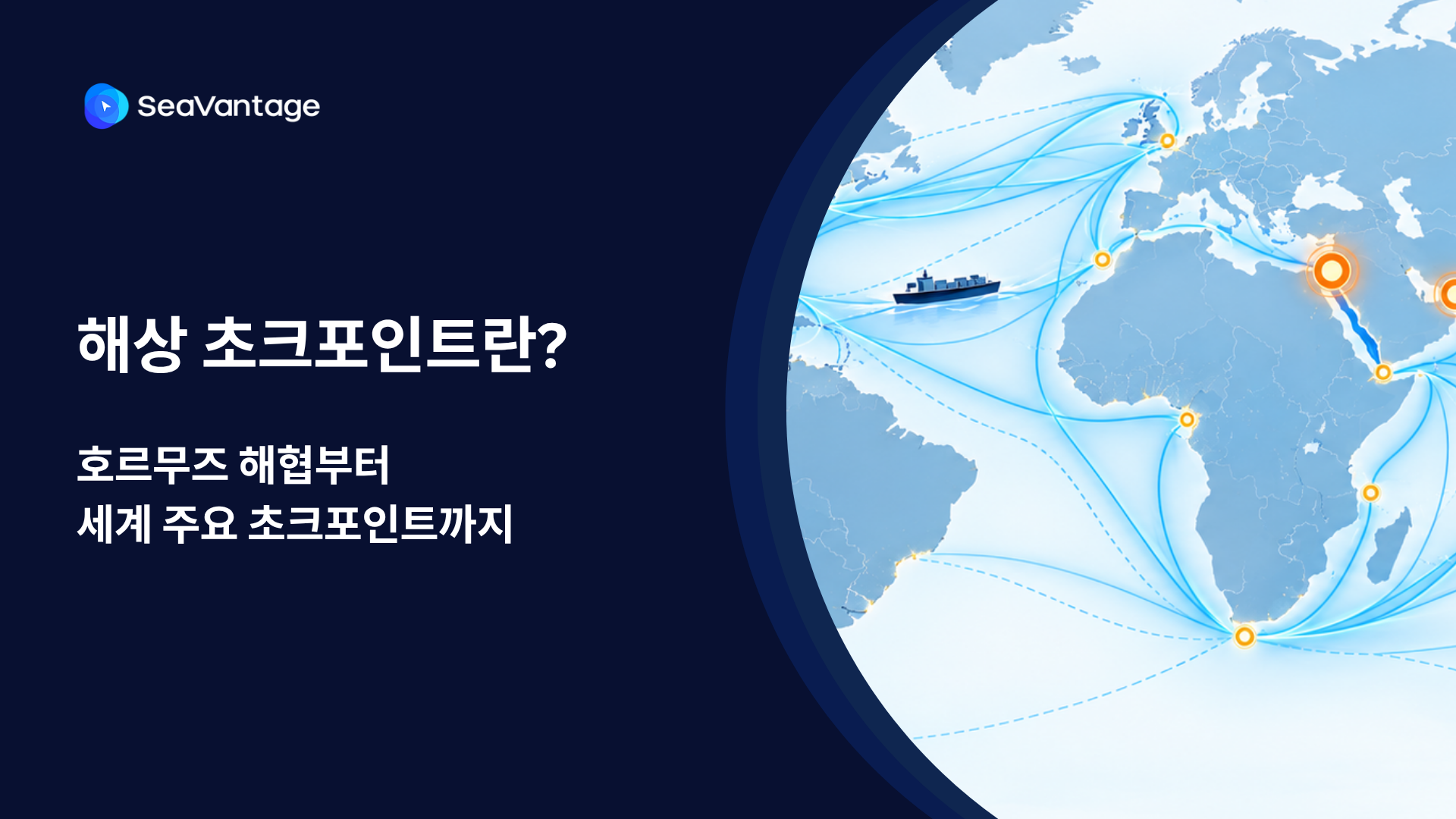

팬스타 아크로호가 지난 8월 22일 북극항로 시범운항을 시작했습니다. 국내 최초 컨테이너선 북극항로 운항 현황과 상업성 검증 항목, 화주·포워더가 주목할 사항을 정리합니다.
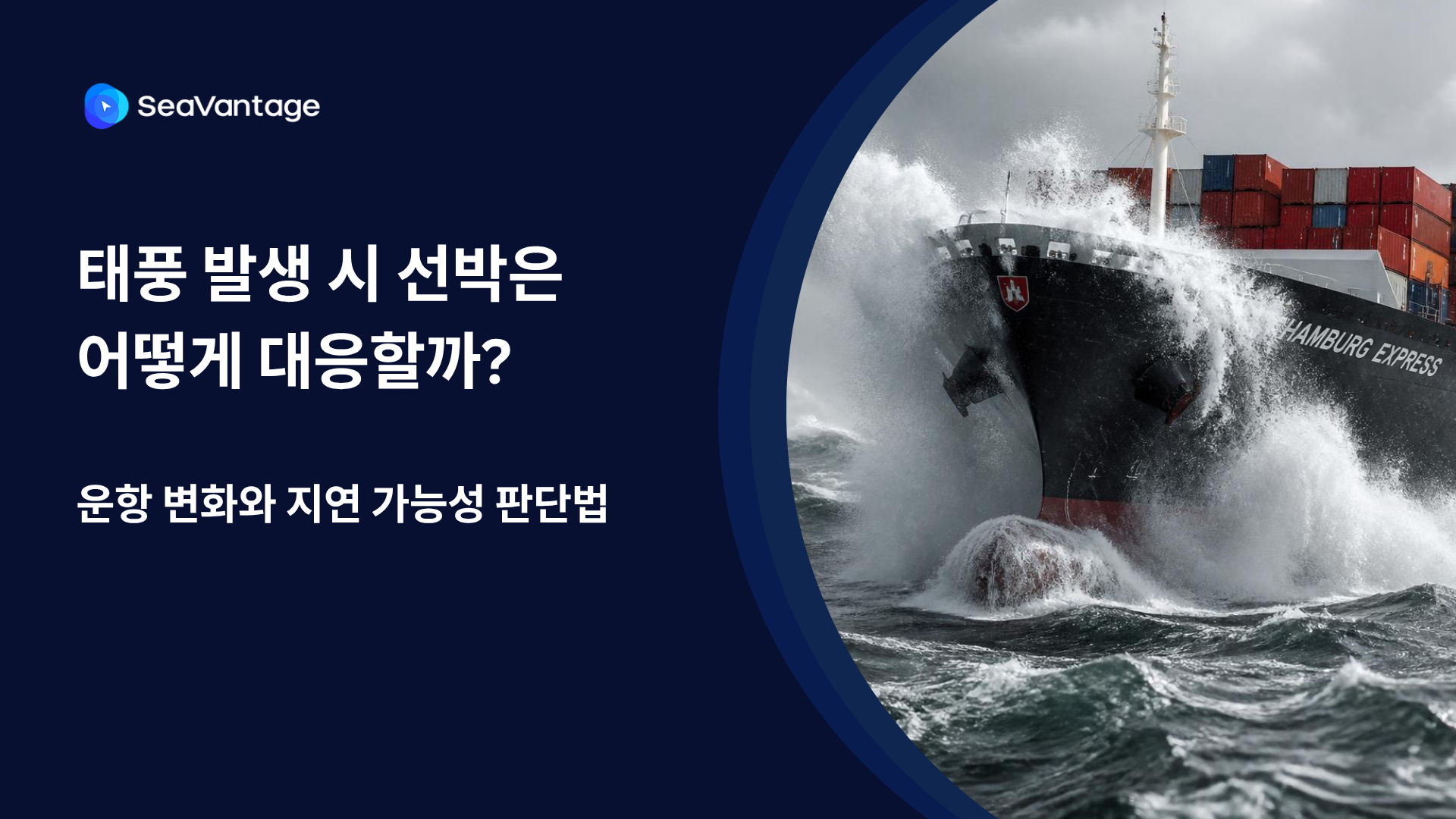
태풍 발생 시 선박은 우회·감속·대기 등 서로 다르게 대응합니다. AIS 항적과 ETA·PTA·PTB, 항만 혼잡 데이터를 활용해 해상운송 지연 가능성을 판단하는 방법을 알아보세요.
Need a SeaRates alternative? See how SeaVantage Cargo Insight supports container tracking, predicted arrivals, shipment milestones, and API access.
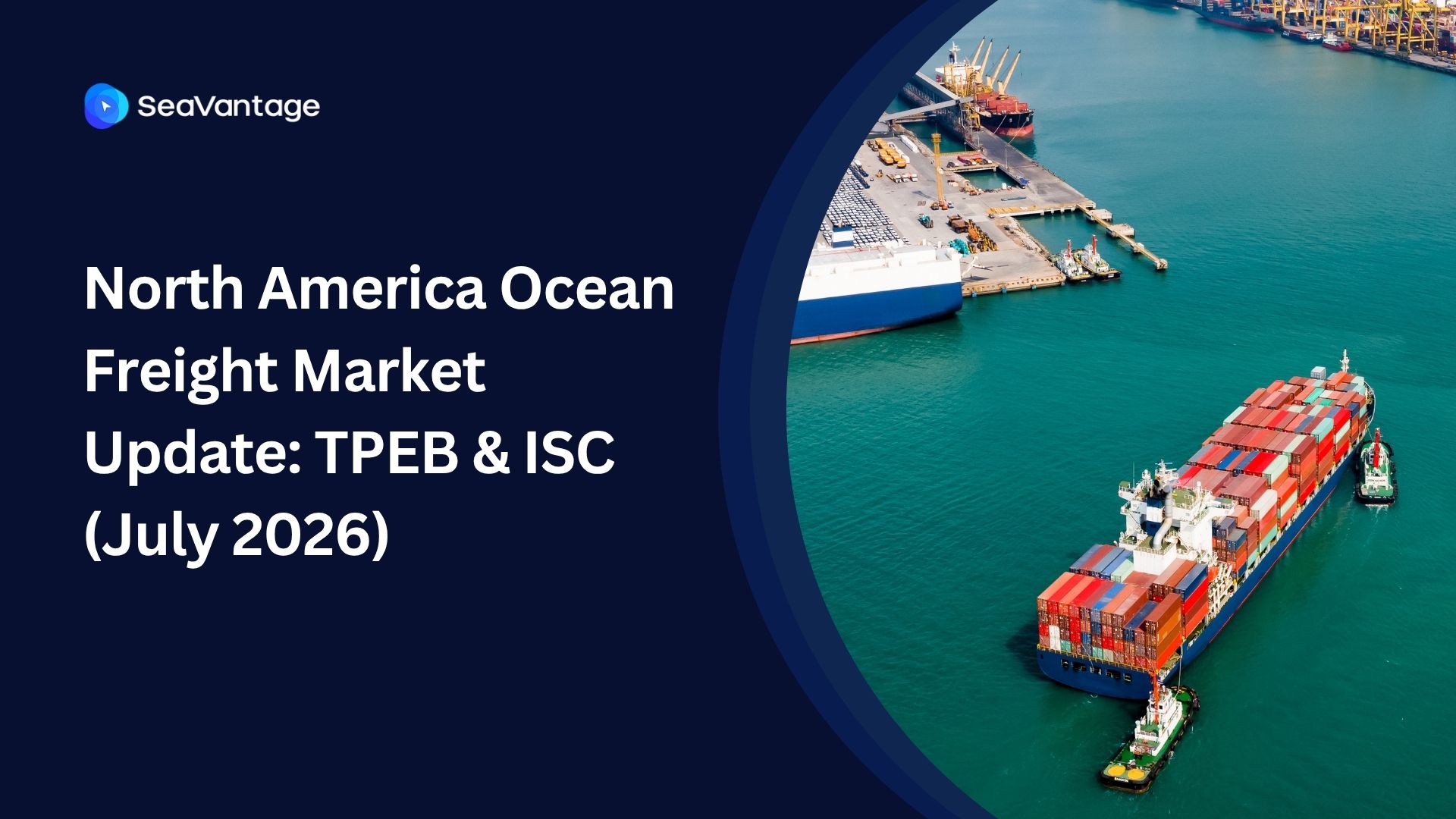
TPEB rates 2026, Indian Subcontinent ocean freight capacity, Strait of Hormuz shipping disruption, schedule reliability ocean carriers
What's driving ocean freight peak season 2026 — rates, surcharges, booking windows, and how to avoid missed inventory deadlines.

.png)


