


Enhancing Supply Chain Visibility with Real-Time Data

How Real-Time Data Enhances Supply Chain Visibility
Today's supply chain manager faces more challenges than ever in this fast-moving global market. Delays in shipment, sudden disruptions, or changes in consumer demand-the nightmare of even the most perfectly laid plans. But what if you could anticipate problems before they occur, smooth operations, and improve collaboration up and down your supply chain? That's where real-time data comes in.
The Power of Real-Time Supply Chain Visibility
Imagine being able to see every stage of your supply chain as it happens in real time. Well, real-time supply chain tracking isn't an idea of the future anymore. With today's technology, this can be a game-changer. Using sensors, IoT gadgets, and cloud systems, it's all possible to track inventories in real-time, shipping status, and any further delay that may happen. Why is this important? Knowledge is power. At their fingertips, supply chain managers can:
- Enhance transparency: Know exactly where your goods are at any given time.
- Boost efficiency: Eliminate bottlenecks and reduce downtime.
- Make proactive decisions: Address potential risks before they escalate into major issues.
Real-World Scenario: Tracking Perishable Goods
Consider a company that hauls fresh groceries around the country. They place intelligent temperature sensors aboard their trucks to track conditions of the load while being transported. If at any time an issue arises with the cooling, they are instantly notified. This will enable them to make necessary detours or fix the flaw before any spoilage of the groceries happens. This would preserve capital and maintain their clients' satisfaction.
Breaking Down the Benefits
1. Transparency at Every Level
Real-time data brings crystal-clear visibility into your supply chain-from the stage of manufacturing the raw materials right to the very delivery stage, it will be able to be traced. This allows for compliance and accountability. For example, blockchain technology coupled with real-time tracking allows firms to provide customers with an explanation of where their product originated and its journey-a key benefit in such industries as pharmaceuticals and food.
2. Operational Efficiency
Delays will happen, but your response to them matters most. Seeing your supply chain in real time helps spot problems, like jams at distribution centers or unused stock. This info lets you streamline work, speed up delivery, and save money.
3. Data-Driven Decision-Making
Guesses and gut feelings don't cut it anymore. Real-time data gives supply chain managers knowledge in their hands. Take predictive analytics: It can let you know when demand is likely to spike so you can adjust your stock accordingly. This prevents you from having an overflow of inventory, which minimizes waste.
4. Risk Mitigation
Any moment, natural calamities, geopolitical tensions, or supplier disruptions can occur. Leverage real-time data to adapt: Suppose a flood shut down the operation of your critical supplier; now you can immediately find an alternative and revise delivery times for affected customers.
The Role of Technology in Transforming Supply Chains
Modern technology is the backbone of real-time supply chain visibility. Here’s how it’s reshaping the industry:
- IoT Devices: Sensors on IOT devices can track everything from location, cargo conditions, shocks and providing granular data.
- Cloud Computing: Centralized platforms enable seamless data sharing across stakeholders.
- AI and Machine Learning: Advanced algorithms analyze patterns and predict future trends.
Case Study: E-Commerce Giant’s Success with Real-Time Data
A top e-commerce firm implemented real-time tracking of last-mile deliveries. From the patterns found in traffic and delivery routes, delivery time was cut by 20%, saving significant costs on fuel. The increased transparency, facilitated through live updates of their package statuses, worked to please the customers as well.
Overcoming Implementation Challenges
Adopting real-time data systems isn't without challenges. Some common ones are:
- Data Integration: Integration of data from several sources.
- Cost of Technology: Entails investments in IoT devices and cloud infrastructure.
- Change Management: Preparing personnel for working with new tools effectively.
However, the long-term benefits far outweigh these initial barriers. Partnering with experienced technology providers can ease the transition and ensure a successful implementation.
Building Resilience and Agility
Now more than ever, in a world of disruptions, real-time supply chain visibility is the norm, no longer nice to have but a necessity. Real-time data assists in building a resilient, agile supply chain that shall adapt to challenges and help win in competitive markets.
Ready to take your supply chain to the next level? First take a look at where there are gaps in your visibility, then research the technologies that best suit your goals. The future of supply chain management is all about data-driven, transparent, and proactive management. Translation: don't fall behind-invest in real-time data today and position your business for success long into the future.
About SeaVantage
SeaVantage provides supply chain visibility solutions tailored to meet the needs of stakeholders in the maritime industry. SeaVantage empowers clients with real-time and predictive data insights, providing a better approach to proactive planning and effective management of ocean freight. SeaVantage's visibility platform is built upon a patented maritime traffic network algorithm, delivering precise, data-driven insights to shippers, freight forwarders, and supply chain professionals. This empowers them to proactively manage and address unexpected disruptions within their ocean supply chain. SeaVantage's visibility platform seamlessly integrates with all major shipping lines worldwide, allowing customers to access data through either the Visibility Web Interface or a robust API, facilitating integration with most legacy systems.
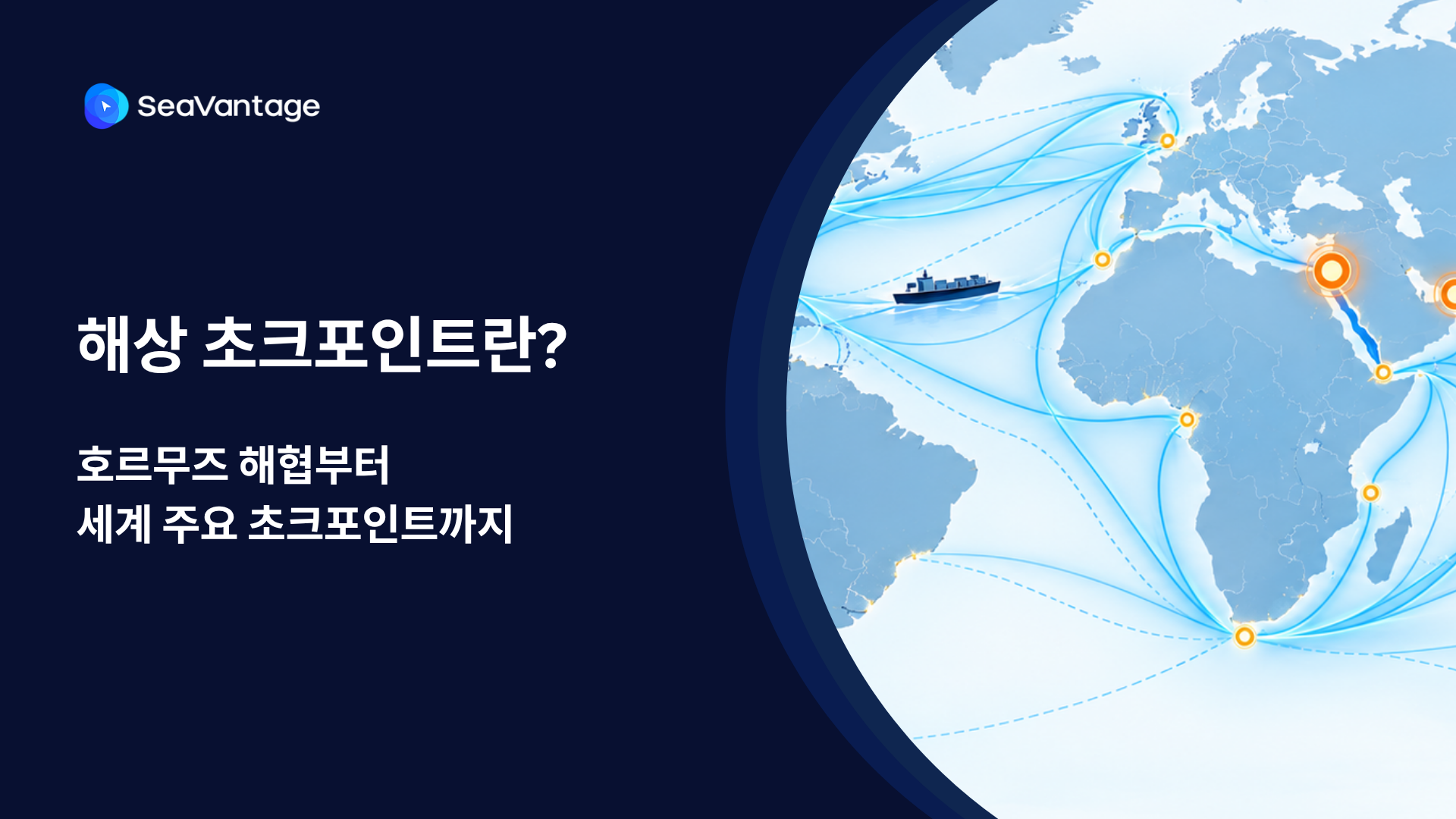

팬스타 아크로호가 지난 8월 22일 북극항로 시범운항을 시작했습니다. 국내 최초 컨테이너선 북극항로 운항 현황과 상업성 검증 항목, 화주·포워더가 주목할 사항을 정리합니다.
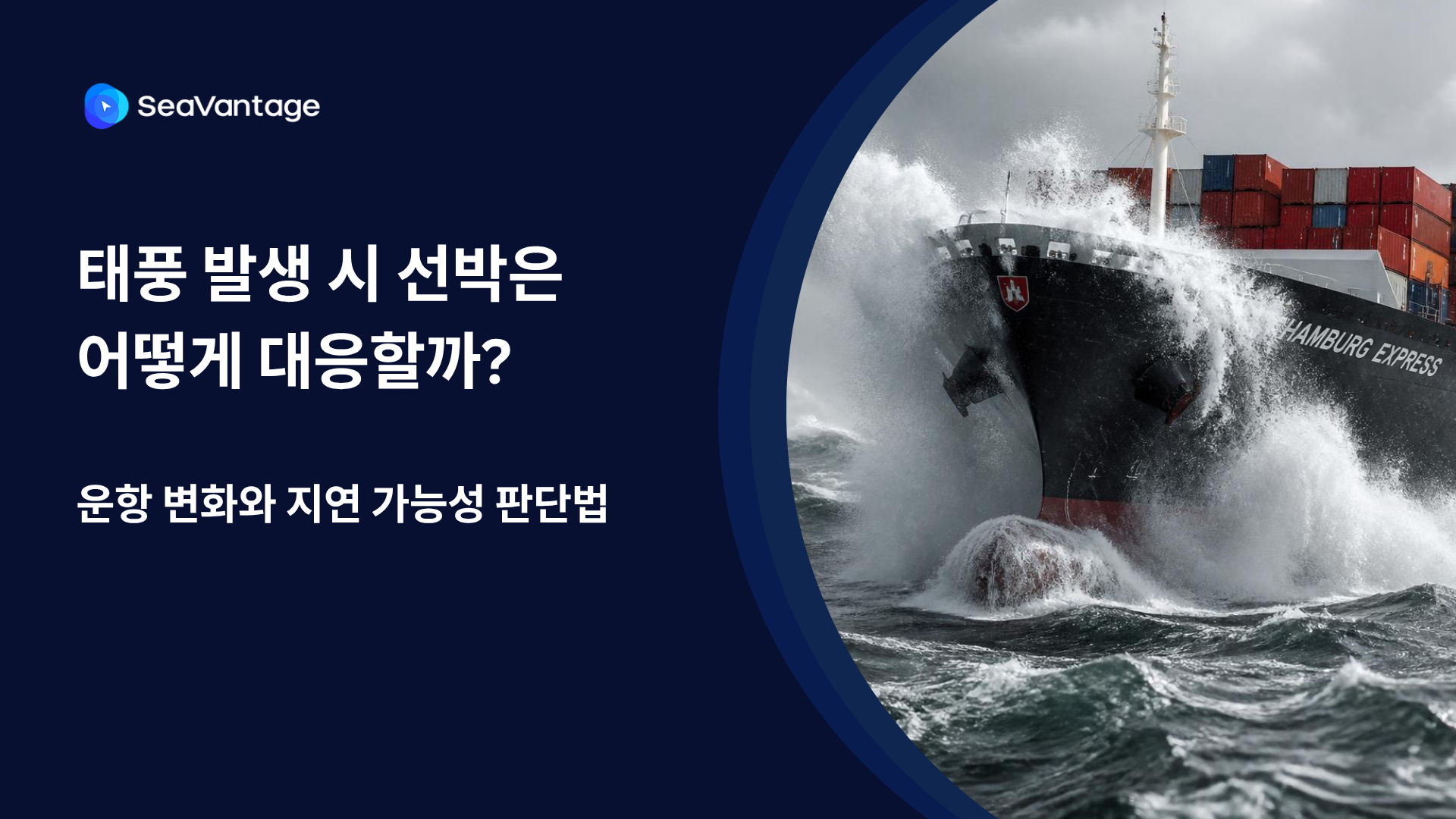
태풍 발생 시 선박은 우회·감속·대기 등 서로 다르게 대응합니다. AIS 항적과 ETA·PTA·PTB, 항만 혼잡 데이터를 활용해 해상운송 지연 가능성을 판단하는 방법을 알아보세요.
Need a SeaRates alternative? See how SeaVantage Cargo Insight supports container tracking, predicted arrivals, shipment milestones, and API access.
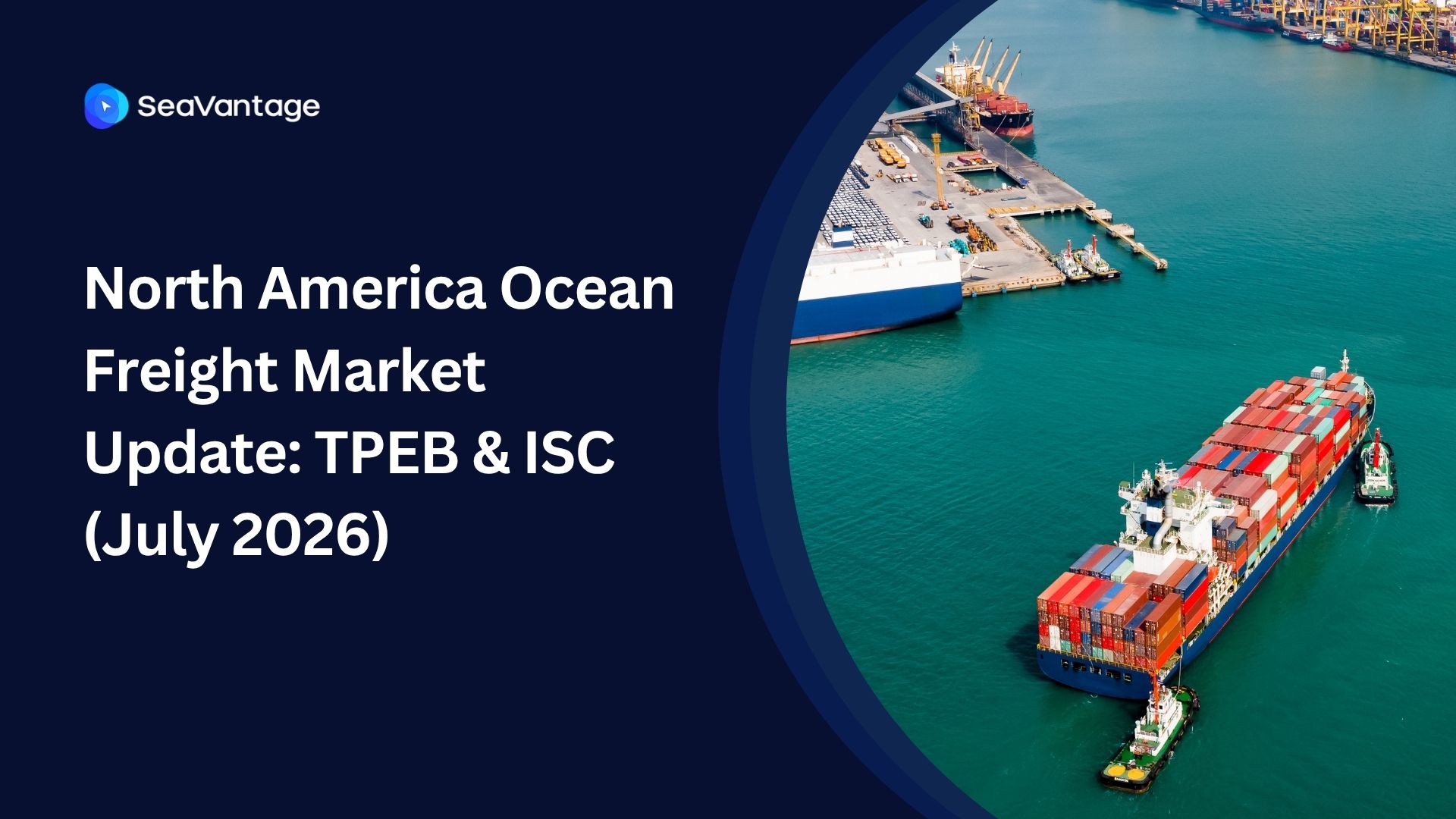
TPEB rates 2026, Indian Subcontinent ocean freight capacity, Strait of Hormuz shipping disruption, schedule reliability ocean carriers
What's driving ocean freight peak season 2026 — rates, surcharges, booking windows, and how to avoid missed inventory deadlines.

.png)


