


From Spoilage to Success: The Role of IoT in Modern Cargo Monitoring
.jpg)
In the world of global logistics, what you don’t know can cost you — significantly. From fresh produce and pharmaceuticals to high-value electronics and automotive parts, cargo is constantly at risk during transit. What’s most alarming? Much of this damage happens silently, with no indication until it's too late.
That’s where Internet of Things (IoT) cargo monitoring comes into play. By outfitting containers with smart sensors, logistics teams gain real-time visibility into temperature, humidity, shock, location, and more. It’s not just about tracking — it’s about preventing damage before it happens.
Why IoT Cargo Monitoring Matters in Logistics
The Problem: Limited Visibility with Traditional Tracking
Standard cargo tracking systems typically tell you where a shipment is — not how it’s doing. Without IoT-enabled sensors, logistics teams lack the data needed to make time-sensitive decisions. As a result, they often learn about issues only after the cargo arrives.
Common risks include:
- Temperature fluctuations that spoil food, pharmaceuticals, or floral products
- Humidity exposure that damages paper, wood, or sensitive electronics
- Shock and vibration that affect machinery, glass, or delicate components
- Light exposure indicating potential theft or tampering
- Lack of real-time location data leading to port delays or missed handoffs
In these scenarios, a lack of insight leads to spoilage, insurance claims, and reputational damage.
How IoT Sensors Protect Cargo in Transit
Real-Time Data, Real-Time Protection
IoT sensors act as the silent guardians of cargo health. These compact, connected devices monitor key environmental and handling metrics, transmitting updates continuously to cloud-based platforms like SeaVantage.
Key metrics IoT sensors monitor:
- Temperature & humidity – essential for cold chain and climate-sensitive shipments
- Shock, tilt, and vibration – crucial for electronics, automotive parts, and glass
- Light exposure – indicates unauthorized access or door openings
- GPS & AIS location data – delivers multimodal tracking across sea, land, and air
With this data visualized on a single dashboard, logistics teams can take immediate action if any threshold is exceeded.
Industries That Benefit from IoT Cargo Visibility
While cold chain logistics often leads the conversation around IoT, many other industries gain equal — or greater — value from cargo visibility solutions.
Key Sectors Using IoT Cargo Monitoring
- Pharmaceuticals – require strict temperature control and regulatory compliance
- Food & Beverage – freshness and shelf life depend on stable transit conditions
- Consumer Electronics – vulnerable to shock, moisture, and theft
- Automotive & Industrial Equipment – sensitive to tilt and mechanical stress
- Retail & E-commerce – where damaged goods can lead to returns and customer dissatisfaction
No matter the product, real-time cargo intelligence reduces claims, improves quality assurance, and enhances customer satisfaction.
Turning Cargo Data into Proactive Action
Moving from Visibility to Prevention
Capturing data is only the beginning. The true power of IoT lies in enabling real-time response. With platforms like SeaVantage Cargo Monitoring, teams can shift from reactive problem-solving to proactive decision-making.
How SeaVantage supports proactive logistics:
- Instant alerts when cargo exceeds safe thresholds for temperature, humidity, or shock
- Theft and tampering detection through light exposure sensors
- Real-time location tracking via a centralized dashboard
- Performance analysis through historical shipment data and trends
- Remote access from any device through a cloud-based interface
With these tools, businesses gain operational agility and risk mitigation capabilities that drive long-term success.
The Future of Smart, Safe, and Sustainable Shipping
IoT cargo monitoring is more than a technological upgrade — it's a strategic advantage. As global supply chains grow more complex and customer expectations rise, companies that embrace real-time visibility are better equipped to reduce waste, improve compliance, and deliver on time.
At SeaVantage, we go beyond tracking shipments — we protect what’s inside. By ensuring your cargo arrives in perfect condition, we help your business do the same.
Want to learn how SeaVantage can optimize your cargo operations? Contact us today to schedule a demo.
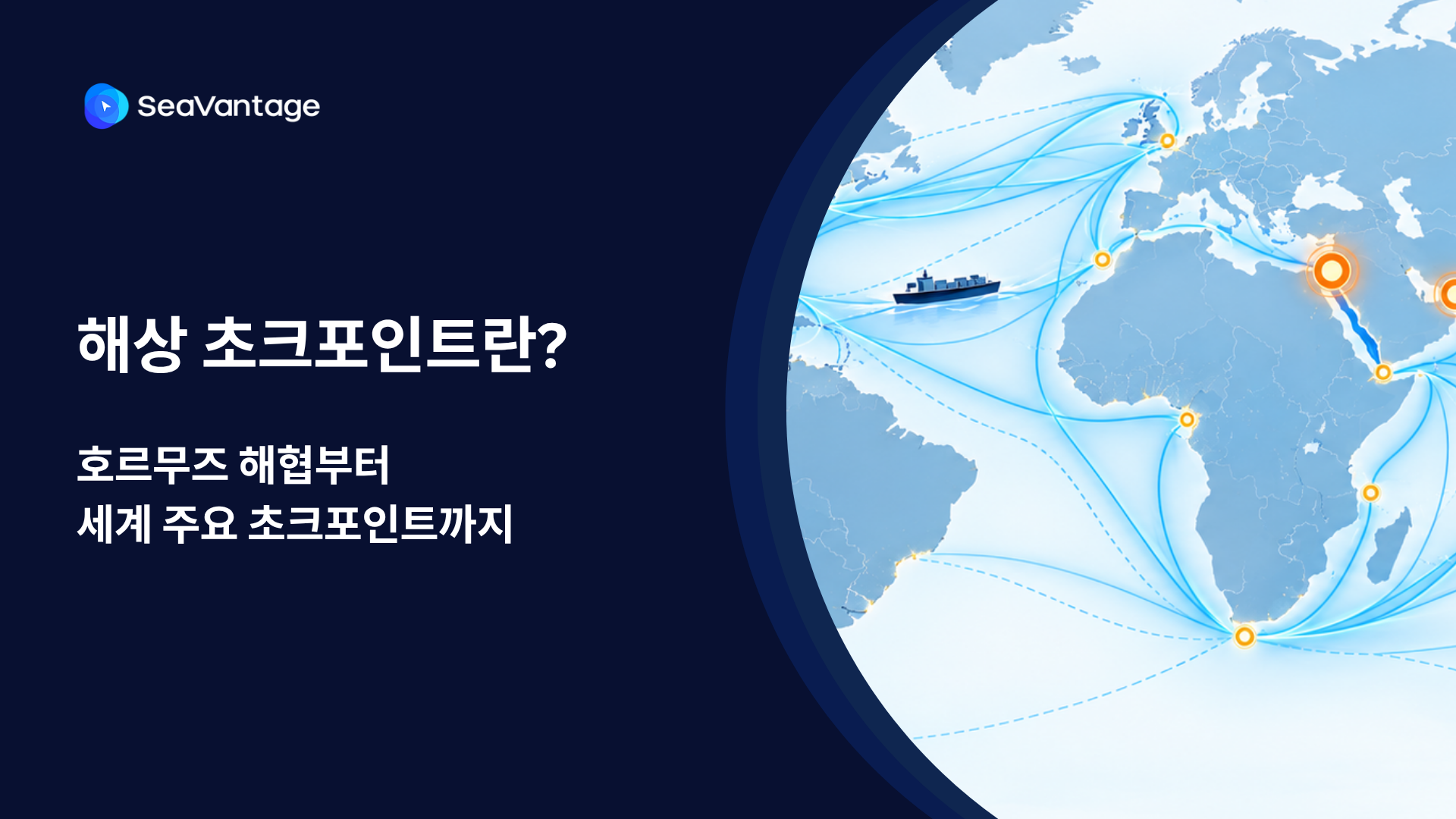

팬스타 아크로호가 지난 8월 22일 북극항로 시범운항을 시작했습니다. 국내 최초 컨테이너선 북극항로 운항 현황과 상업성 검증 항목, 화주·포워더가 주목할 사항을 정리합니다.
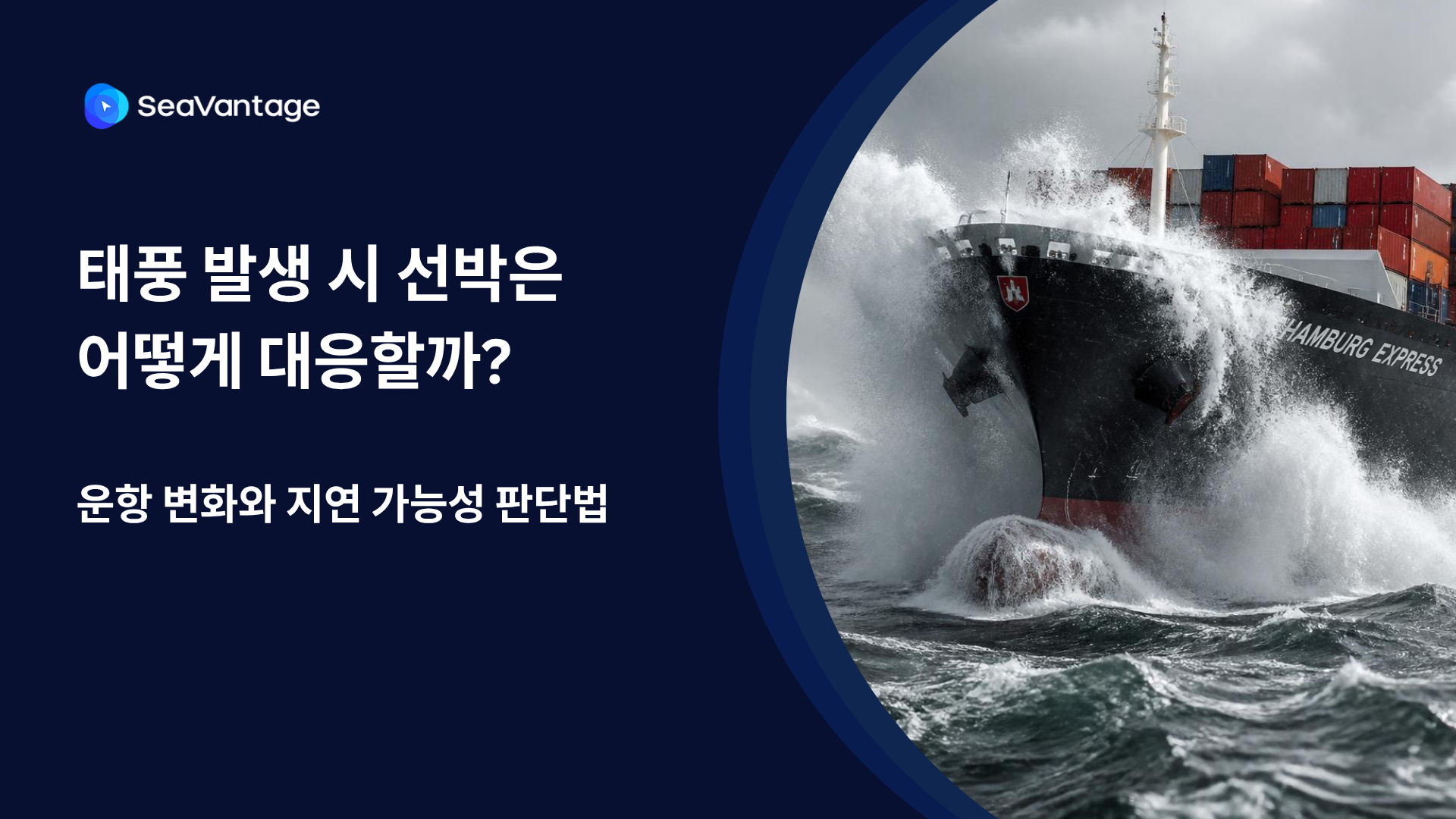
태풍 발생 시 선박은 우회·감속·대기 등 서로 다르게 대응합니다. AIS 항적과 ETA·PTA·PTB, 항만 혼잡 데이터를 활용해 해상운송 지연 가능성을 판단하는 방법을 알아보세요.
Need a SeaRates alternative? See how SeaVantage Cargo Insight supports container tracking, predicted arrivals, shipment milestones, and API access.
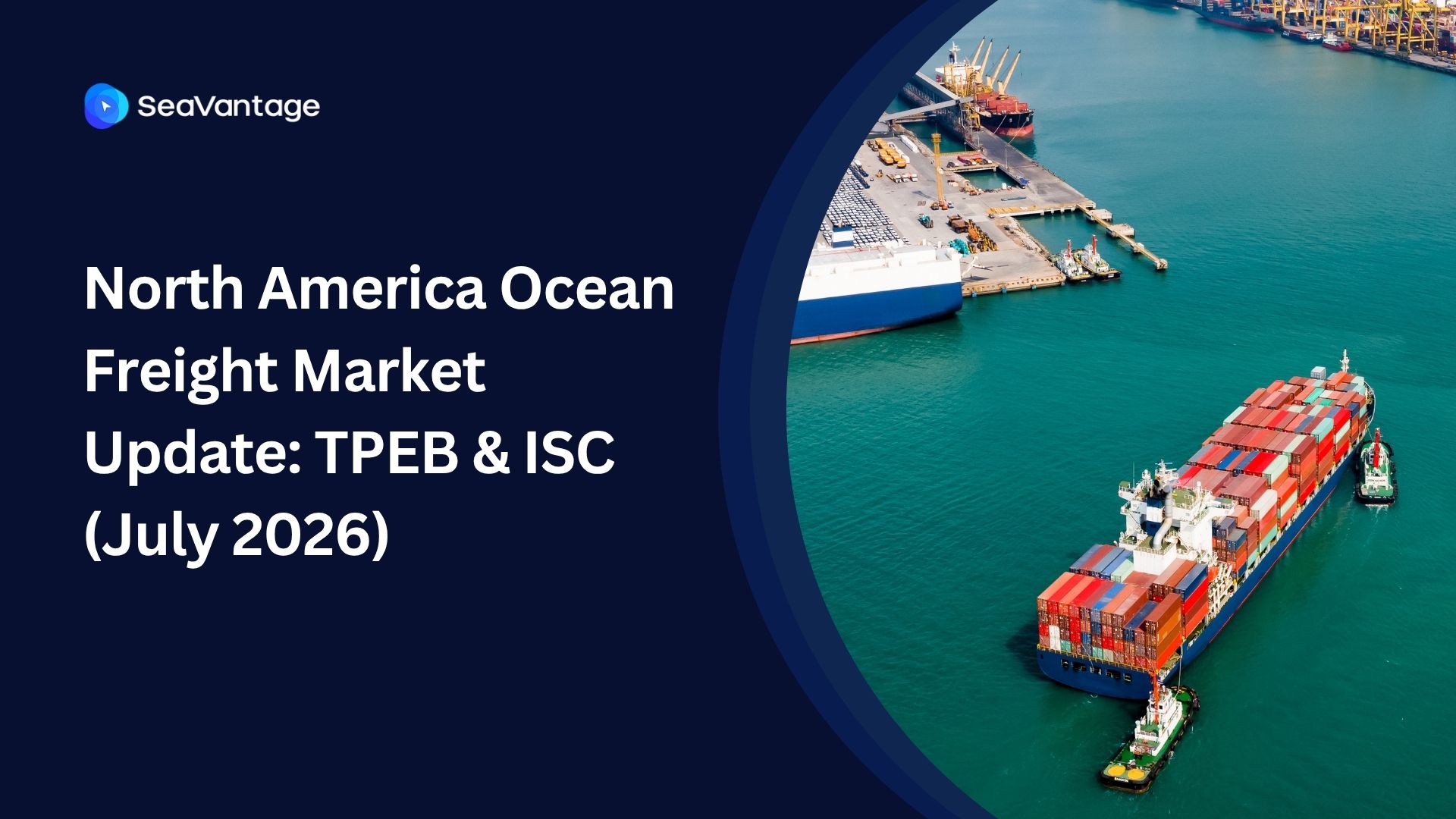
TPEB rates 2026, Indian Subcontinent ocean freight capacity, Strait of Hormuz shipping disruption, schedule reliability ocean carriers
What's driving ocean freight peak season 2026 — rates, surcharges, booking windows, and how to avoid missed inventory deadlines.

.png)


