


China’s Covid Crises: The State of Chinese Port Congestion

China's rising covid cases and lockdowns due to the omicron variant have been increasing the number of vessels waiting outside the country's ports. Initial lockdowns were placed on Shanghai, the country's largest city, from March 28 to April 5. However, authorities decided to extend this lockdown across Shanghai without providing a time frame for when it will end. This indefinite lockdown extension across Shanghai has had ripple effects on the number of vessels backed up along the country's coastline.
Shanghai's initial covid lockdown saw the number of vessels and average waiting days at its port increase. Consequently, shipping companies began to shift calls to neighboring ports as cargo exports out of Shanghai were also dropping.
Shipping companies omitting Shanghai calls have begun to impact congestion in neighboring ports. Data pulled from SeaVantage Port Insight Platform shows an increase in the daily average number of vessels anchored at Ningbo, Yantian, and Qingdao over the past 3 months. In particular, the number of vessels waiting outside Ningbo has more than doubled since February.

Meanwhile, SeaVantage's Port Insight Platform shows that congestion at the Port of Shanghai has decreased over the past two weeks due to vessels skipping Shanghai port calls due to low cargo export volumes.

Shanghai's port is currently not experiencing more congestion due to the lockdown, as other data may suggest. The coastline of Shanghai may be filled with many ships, but not all of them are headed for its port. Click here to see the list of vessels predicted to arrive at the port of Shanghai.
SeaVantage offers real-time tracking and visibility solutions for freight forwarders, carriers, cargo owners, and terminal/port operators. Our proprietary AI Maritime Traffic Network provides a more informed prediction of vessel or container arrival time for all stakeholders in the supply chain by bringing in additional data streams.
Email: sales@seavantage.com
Tel: (+82) 02-3444-7302 / (+82) 02-3444-7303
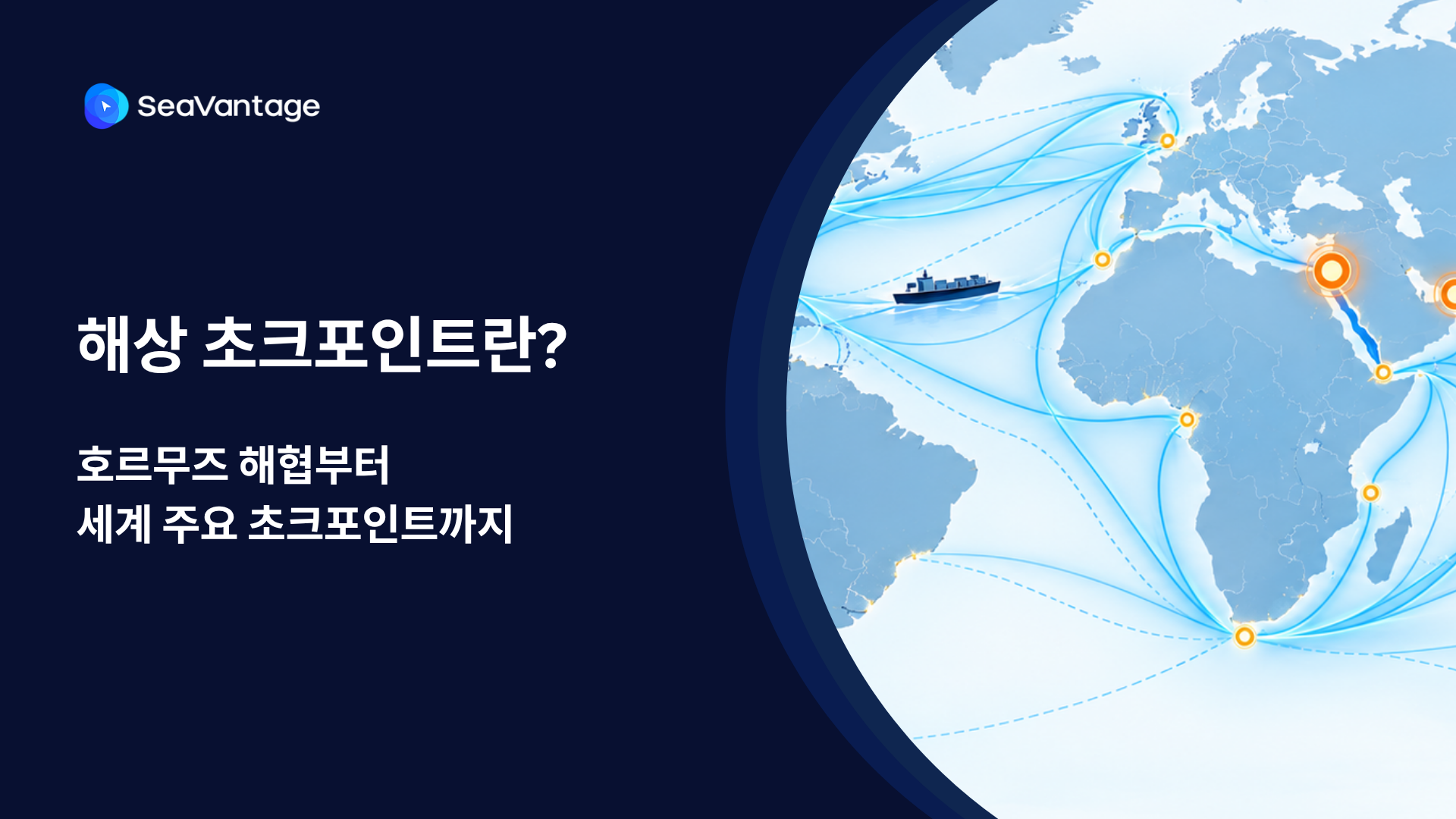

팬스타 아크로호가 지난 8월 22일 북극항로 시범운항을 시작했습니다. 국내 최초 컨테이너선 북극항로 운항 현황과 상업성 검증 항목, 화주·포워더가 주목할 사항을 정리합니다.
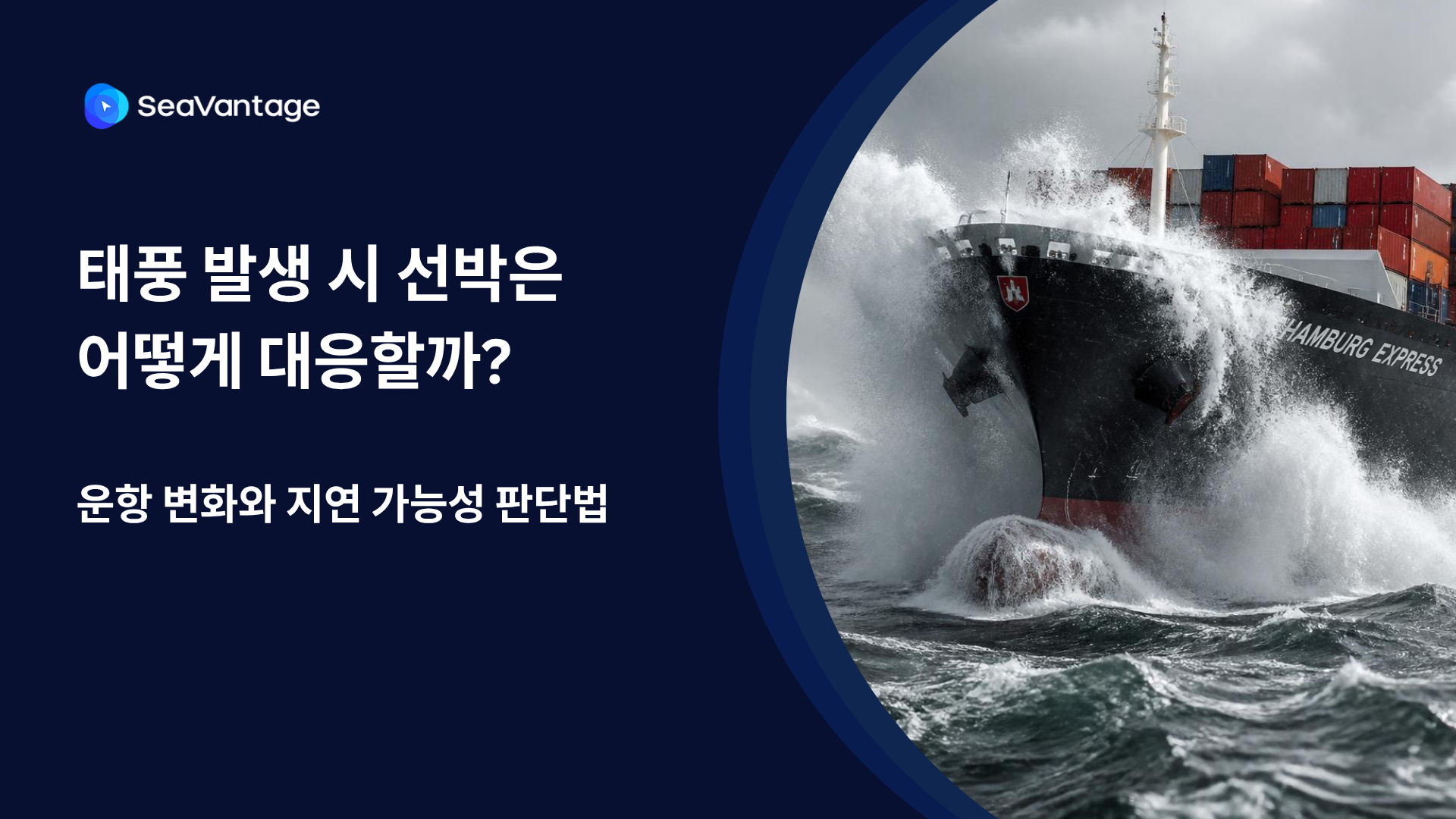
태풍 발생 시 선박은 우회·감속·대기 등 서로 다르게 대응합니다. AIS 항적과 ETA·PTA·PTB, 항만 혼잡 데이터를 활용해 해상운송 지연 가능성을 판단하는 방법을 알아보세요.
Need a SeaRates alternative? See how SeaVantage Cargo Insight supports container tracking, predicted arrivals, shipment milestones, and API access.
TPEB rates 2026, Indian Subcontinent ocean freight capacity, Strait of Hormuz shipping disruption, schedule reliability ocean carriers
What's driving ocean freight peak season 2026 — rates, surcharges, booking windows, and how to avoid missed inventory deadlines.

.png)


